
Unlock the Secrets of Cannabis Storage Regulations in 2026
As the legal cannabis industry continues to change, cannabis storage regulations and storage compliance remains a crucial and often under-appreciated part of the operational puzzle. Whether you’re a cultivator, processor, or dispensary operator, staying ahead of state-level regulatory changes is key to avoiding costly penalties and preserving product integrity.
At Pipp Horticulture, we’ve supported cannabis businesses with optimized storage systems from drying racks and curing carts to high-density mobile shelving, so we understand the intersection of compliance and operational efficiency. In this post, we’ll explore (1) the major regulatory themes shaping storage rules for 2026, (2) key state-by-state variations to watch, and (3) best practices to ensure your facility stays compliant, along with how PIPP storage solutions tie into those strategies.
1. Core Regulatory Themes Across States
Security & Access Control
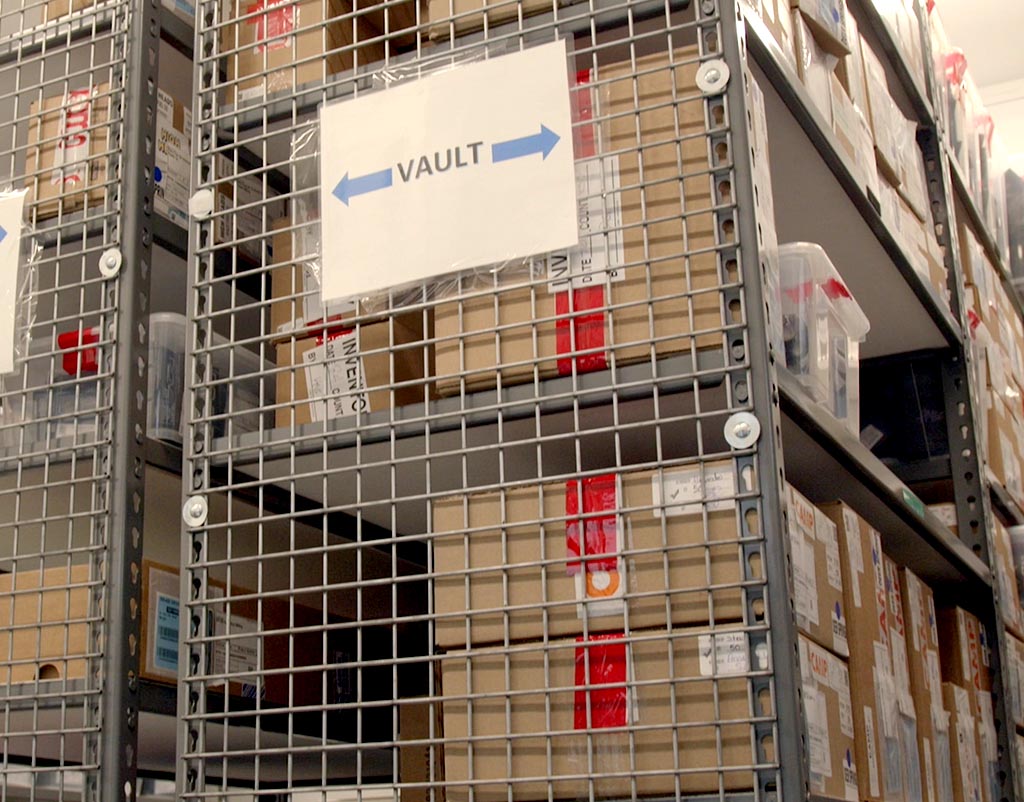
Nearly every state requires that cannabis be stored in locked, limited-access areas with security monitoring and surveillance. This means secured rooms, authorized personnel access, and reinforced shelving or vaults.
In our blog “7 Mistakes to Avoid with Cannabis Dispensary Storage”, we discuss how insufficient security design can lead to compliance issues. To mitigate that, PIPP’s secured mobile and stationary shelving systems are engineered specifically for restricted-access areas in cultivation, processing, and retail environments.
Environmental Controls
Cannabis products are highly sensitive to temperature, humidity, light, and airflow—factors many states now regulate to prevent mold and degradation.
In “Dispensary Storage: What You Need to Know”, we highlight how environmental fluctuations impact product integrity. The key is consistent conditions, something that’s easier to maintain with climate-controlled storage zones and modular shelving layouts that promote proper airflow.
Inventory Tracking, Segregation & Labeling
State regulators typically require robust systems that track inventory movement, segregate product types, and use batch or lot labels for traceability.
Our guide on “Inventory Management Tips for Dispensaries” emphasizes FIFO (First In, First Out) practices to reduce the risk of outdated or degraded products. When combined with secured shelving layouts, this ensures compliance and operational flow.
Auditability & Inspection Readiness
Most states require storage areas to be accessible for inspection, with video surveillance, access logs, and chain-of-custody documentation. Facilities unable to provide these records may face fines or license suspension.
Product Segregation
Regulations often require clear separation between cannabis products and non-cannabis materials, demanding dedicated, labeled shelving or entire storage rooms. Modular mobile systems from PIPP Horticulture simplify compliance with these segregation standards.
2. State-by-State Highlights for 2026
Here’s a quick look at how cannabis storage regulations and requirements vary across key markets, and what’s changing next year:
- California: Requires cannabis to be stored in locked rooms with 24-hour surveillance. Climate control is mandatory in both cultivation and finished-product storage areas.
- Colorado: Enforces separate storage for raw and finished cannabis products, with tight security to prevent diversion or loss.
- Michigan: Mandates secure, locked product storage with real-time inventory tracking and limited employee access.
- Massachusetts: Requires designated secure storage rooms with monitored entry, 24/7 cameras, and detailed inventory logs.
- Oregon: Only licensed premises may store cannabis unless special approval is granted; humidity and temperature must remain within regulated ranges.
2026 Outlook:
Expect tighter enforcement around:
- Off-site or third-party storage partnerships
- Climate control verification (especially for flower and concentrates)
- Real-time inventory tracking integration
- Enhanced access control systems (keycards, biometric locks, motion-activated cameras)
3. Best-Practice Storage Compliance Strategy (and How Pipp Helps)
Step 1: Conduct a Comprehensive Storage Audit
Start with a full audit of every storage area, drying, curing, packaging, and finished goods, to verify compliance, security, and efficiency. Review:
- Locking mechanisms, surveillance coverage, and access logs
- Temperature and humidity controls (with calibration records)
- Workflow and physical segregation between zones
Compare your findings against state-specific storage regulations (e.g., METRC access, restricted areas, and secure transport requirements).
Pipp’s design experts can help identify non-compliant bottlenecks and recommend layout improvements that enhance flow while maintaining regulatory control.
Step 2: Segregate by Product Lifecycle
Maintain a clear separation between in-process (drying and curing) and finished product storage areas. Cross-contamination or mislabeling between these stages is a frequent audit citation. PIPP’s post-harvest racks and carts
Step 3: Invest in Secure, High-Density Shelving
A common compliance pitfall is overcrowded or improvised storage, which can lead to blocked egress paths, product mix-ups, or inadequate surveillance visibility.
Pipp’s mobile vertical shelving systems solve this by maximizing cubic footage while maintaining line of sight and full access for inspections.
As noted in “7 Mistakes to Avoid with Cannabis Dispensary Storage” early investment in scalable, compliant infrastructure prevents costly retrofits later.
PIPP’s mobile shelving systems maximize space while meeting security requirements.
Step 4: Implement Climate Control & Monitoring
Continuous monitoring ensures compliance with humidity and temperature limits.
As noted in “Dispensary Storage: What You Need to Know”, even minor humidity fluctuations can degrade product quality. Install sensors and alert systems to maintain optimal ranges.
Step 5: Strengthen Traceability & Labeling
Maintain a first-in, first-out (FIFO) rotation, clear batch labeling, and digital tracking (e.g., METRC or BioTrack).
Lean principles emphasize error-proofing (Poka-Yoke)—use standardized color codes, shelf labeling, and visual cues to minimize handling errors.
Pipp’s integrated inventory management approach helps teams maintain regulatory accuracy with minimal motion waste. Check out some more of our inventory management tips.
Step 6: Maintain & Audit Regularly
Regular cleaning, maintenance, and internal audits are key. From shelving track inspections to security checks, consistency keeps your facility inspection-ready.
4. Example: A Fully Compliant Storage Flow
- Harvest → Drying/Curing on PIPP drying racks and carts
- Transfer to secure finished-goods room on high-density mobile shelving
- Track inventory batches through traceability software, recording all weights and measurements at each transfer point to ensure accuracy, compliance, and batch integrity.
- Maintain climate control and limited access
- Apply FIFO (First In, First Out) movement for product rotation to the dispensary or wholesale distribution.
- Conduct scheduled cleaning and documentation checks.
5. Why Compliance Pays Off
- Avoid Fines & License Risk: Stay fully aligned with regulatory requirements to prevent penalties, suspensions, or operational downtime.
- Protect Product Quality: Stable environments preserve potency and freshness.
- Save Space & Money: PIPP’s high-density mobile shelving systems optimize every square foot, lowering facility costs while improving workflow efficiency.
Scale Easily: Modular, scalable systems adapt easily to evolving business needs and changing regulations, helping you grow without costly retrofits.

Frequently Asked Questions About Regulations, Risks & How to Stay Compliant.
Q1: What’s the biggest mistake cannabis operators make with storage compliance?
The most common issue is improper segregation—storing cured and finished product together, or mixing cannabis inventory with non-cannabis materials. This not only violates regulations in most states but can also lead to contamination and traceability issues. Using dedicated storage systems for each stage of production helps avoid this.
Q2: How often should I perform a storage compliance audit?
A monthly audit is considered best practice. Regulations evolve, and environmental controls can drift over time. Leading operators use digital compliance checklists integrated with facility management software to review access logs, security footage, and climate data every month(or even more frequently), ensuring continuous oversight and rapid corrective action when needed.
Q3: Are mobile shelving systems compliant with state storage laws?
Yes, provided they are lockable and installed within secure, restricted-access areas.
PIPP’s mobile systems are designed to meet these requirements, featuring lockable carriages and optional security cages that exceed most state-level guidelines.
Q4: Do I need climate control in all storage areas?
If you’re storing flower, pre-rolls, or concentrates, absolutely.
Climate-controlled environments maintain potency and prevent microbial growth. Even short-term storage rooms should be monitored, as required in states like California, Michigan, and Oregon.
Q5: What’s the best way to prepare for 2026 regulatory updates?
Adopt a proactive compliance strategy. Regularly monitor updates from your state’s cannabis control agency, maintain strong relationships with compliance consultants, and partner with equipment providers like PIPP Horticulture that actively track regulatory changes, ensuring your facility remains compliant, efficient, and future-ready.
Final Thoughts
As regulations tighten, cannabis storage compliance in 2026 will demand greater precision, thorough documentation, and secure, well-designed infrastructure. Partnering with PIPP Horticulture ensures you have the proven systems, expertise, and support to stay ahead of evolving standards, while maximizing efficiency, space utilization, and product integrity.
Ready to future-proof your facility? Contact the PIPP team to design a compliant, high-performance storage layout tailored to your operation.
Get a FREE Grow Consultation
Lorem ipsum dolor sit amet, consectetur adipiscing elit. Ut elit tellus, luctus nec ullamcorper mattis, pulvinar dapibus leo.