
Cyclospora & Food Safety: The Value of Indoor Growing
Controlled Environment Agriculture (CEA), including indoor farms and greenhouses, offers growers a unique opportunity to limit many of the environmental variables that can contribute to food safety concerns. While no growing system is completely risk-free, indoor cultivation provides greater control over the growing environment, helping reduce exposure to some of the most common contamination pathways found in conventional field production.
However, even in highly controlled facilities, success depends on strong sanitation programs, water quality management, employee training, and operational discipline.
FDA guidance on Cyclospora and fresh produce
Reducing Environmental Contamination Risks in CEA
One of the primary advantages of CEA is the ability to create physical separation between crops and external environmental hazards. In outdoor agriculture, produce may be exposed to a wide range of contamination sources, including:
Soil-borne pathogens
Runoff from neighboring land
Flooding events
Dust and windborne contaminants
Wildlife activity
Indoor facilities significantly reduce exposure to many of these factors. Enclosed growing environments limit exposure to environmental conditions and isolates the grow from runoff that can include contaminants.
Food Safety in Hydroponic and Soilless Growing Systems
Many CEA operations use hydroponic or other soilless cultivation methods. While removing field soil can reduce exposure to certain contamination risks associated with runoff, animal activity, and untreated biological amendments, it does not eliminate microbial risk. Growing media, source water, nutrient solutions, employees, tools, and equipment can still introduce or harbor harmful microorganisms. The primary advantage of soilless production is greater visibility and control over these inputs, provided they are supported by consistent monitoring, sanitation, and documentation.
Water Quality Management in Controlled Environment Agriculture
Water quality remains one of the most critical components of any food safety program. Outdoor growers often face challenges associated with changing water conditions, weather events, agricultural runoff, and variations in source quality. In contrast, many CEA operations utilize closed-loop or highly monitored irrigation systems that allow growers to track water quality more consistently and implement corrective actions quickly when necessary.
Because water moves through a controlled infrastructure, growers can establish testing, filtration, treatment, and monitoring protocols that support a more comprehensive food safety strategy. Many hydroponic systems are recirculating (also known as “closed-loop”) and must also be managed for biofilm and organic matter accumulation. Tanks, piping, channels, rafts, filters, drains, and other continuously wetted surfaces can create protected microbial niches when they are difficult to access or inadequately cleaned. Hygienic equipment design, the elimination of dead legs, algae control, and scheduled cleaning and sanitation are therefore important components of a preventive food safety program.
Technology, Monitoring, and Traceability in CEA Facilities
CEA facilities are often designed with technology integration in mind. Environmental sensors, automated irrigation systems, crop monitoring tools, and digital recordkeeping can provide growers with valuable operational visibility. When food safety concerns arise, strong traceability systems can help operators identify affected areas, evaluate root causes, and respond more efficiently.

Essential Food Safety Practices for Indoor Growing Facilities
While controlled environment agriculture can reduce exposure to many environmental risk factors, food safety ultimately depends on people and processes. Indoor growers must still maintain:
Robust sanitation procedures
Routine equipment cleaning
Water testing programs
Employee training
Facility maintenance protocols
Pest management programs
Comprehensive documentation and traceability systems
Food Safety as a Key Benefit of Controlled Environment Agriculture
Discussions about indoor agriculture often focus on yield, resource efficiency, labor optimization, and year-round production. Those benefits are important, but food safety deserves a place in the conversation as well. By reducing exposure to soil, wildlife, runoff, and other external environmental variables, controlled environment agriculture gives growers greater control over the conditions that influence crop quality and safety. As the industry continues to mature, that control may represent one of CEA’s most valuable contributions: helping growers build consistent, resilient production systems designed around prevention rather than reaction.
How CEA Facility Design Can Support Food Safety
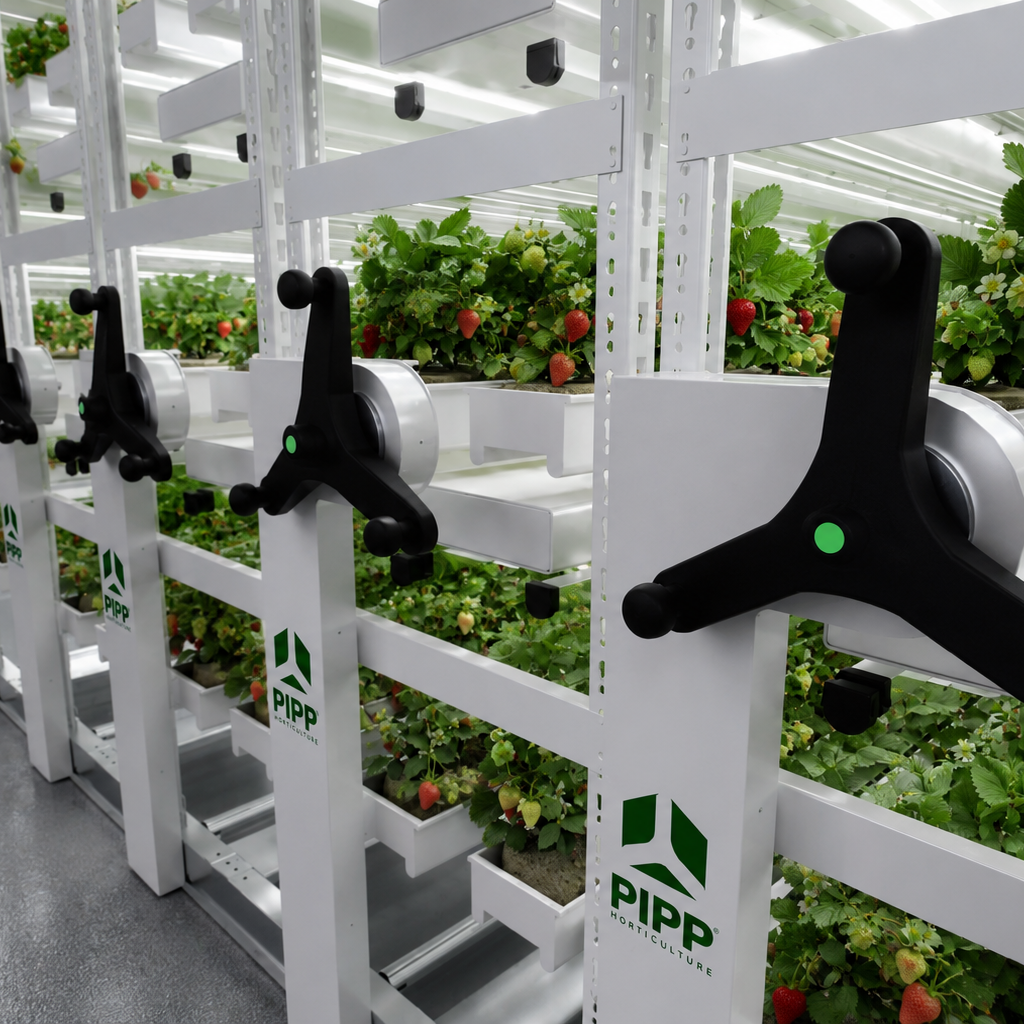
At Pipp Horticulture, we recognize that facility design can either support or undermine a food safety program. Cleanable materials, accessible equipment, effective drainage, separation of production activities, condensate management, and sufficient access for inspection and sanitation all influence an operator’s ability to manage risk consistently. Technology and infrastructure do not replace strong operating practices, but thoughtful design can make those practices easier to execute, verify, and scale.
FDA guidance on Cyclospora and fresh produce
Watch: A Deeper Conversation on Cyclospora & Food Safety
Want to learn more about how Controlled Environment Agriculture (CEA) can help growers better manage food safety risks?
In our latest podcast, we take a deeper look at Cyclospora, food safety in indoor growing environments, and the role facility design, water management, sanitation, and operational controls play in reducing contamination risks.
Watch the full conversation below to learn how a more controlled growing environment can give operators greater visibility—and greater control—over the factors that influence food safety.
Get a FREE Grow Consultation
Lorem ipsum dolor sit amet, consectetur adipiscing elit. Ut elit tellus, luctus nec ullamcorper mattis, pulvinar dapibus leo.