5 Best Practices for Your Cannabis Mother Room

5 Best Practices for Your Cannabis Mother Room

Pipp Horticulture Cannabis Mother Room

Be Good to Your Mother(s)

Your indoor cannabis cultivation facility is operating within a highly competitive market. While the point of harvest may seem like the most important link in your production process, you may want to revisit the management of your cannabis mother room. That’s where your business houses its real long-term value. 

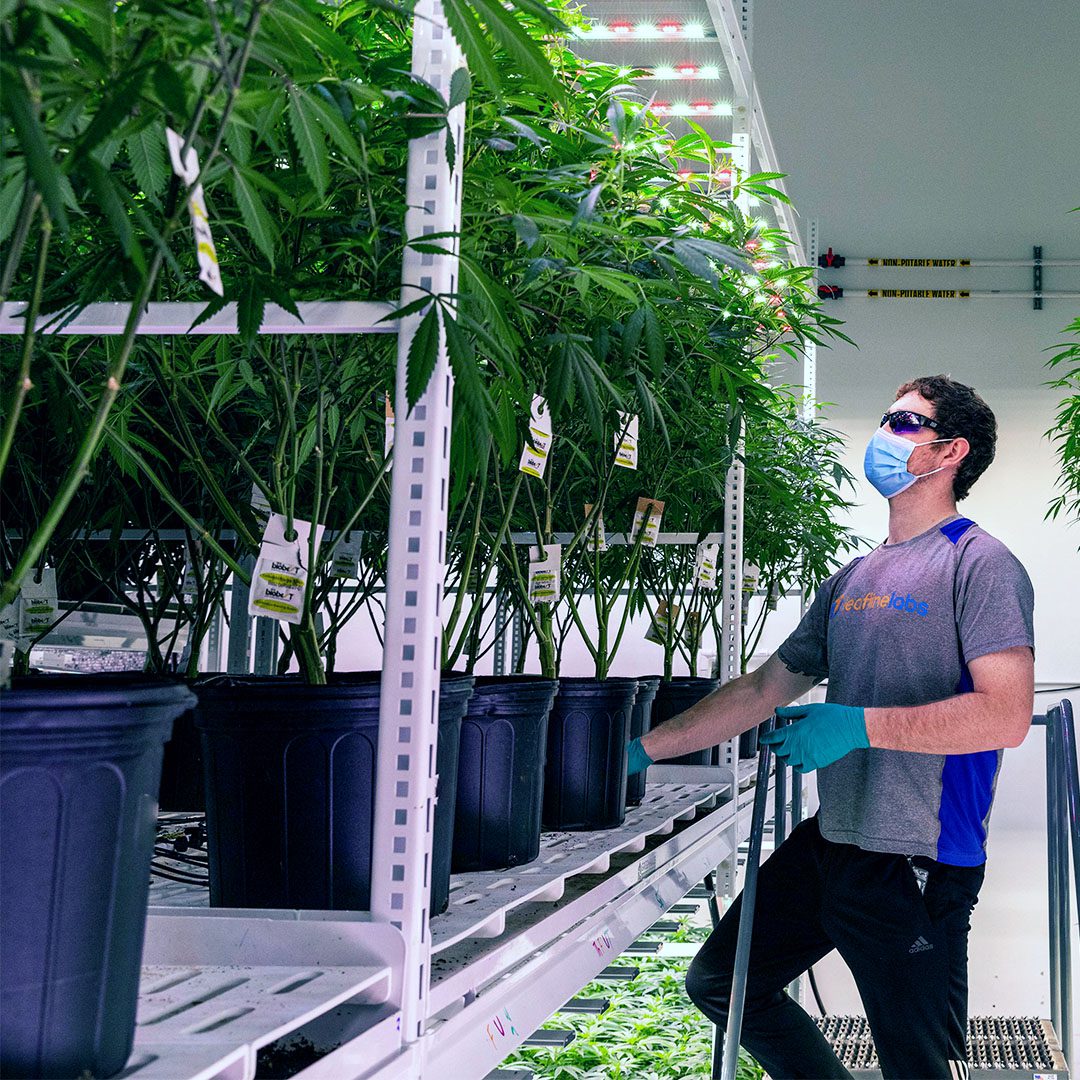
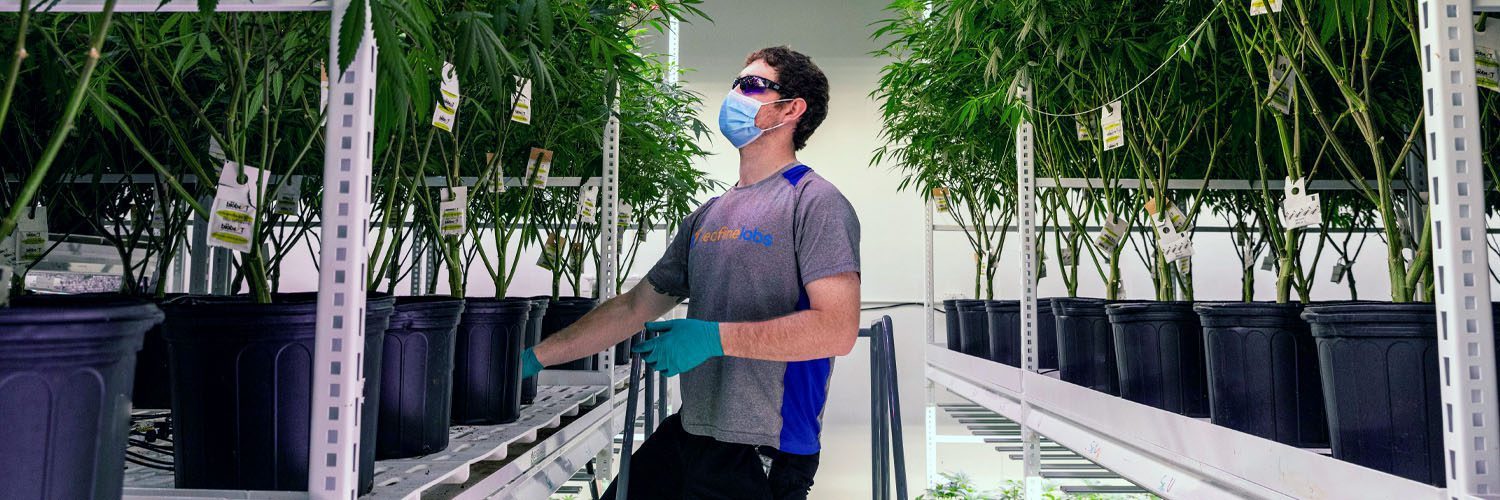
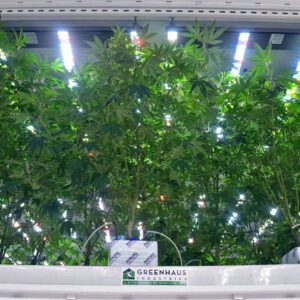
The mother room is where your team nurtures the mother plants, which, of course, shape the future of every plant you’ll grow. These mother plants are carefully selected cannabis plants kept in a vegetative state and not allowed to flower. The primary purpose of maintaining these mother plants is to provide a consistent and reliable source of clones or cuttings. These clones are genetically identical to the mother plant, ensuring uniformity in the traits and quality of the plants grown from them, such as potency, flavor profiles, and growth characteristics.

An efficiently managed mother room ensures a steady flow of high-quality clones to fill the other rooms in your facility. 

Your yield and profits begin here.
Mother Room

A successful mother room strategy blends the precision of genetics with the art of cultivation, ultimately developing a shield for your business against the unpredictability of nature. In a market that values both diversity and the reliability of old favorites on the shelf, the ability to sustain and replicate specific cannabis strains with accuracy is invaluable.

So, what goes into a successful cannabis mother room?

A robust mother room operation employs advanced environmental controls, precise nutrient management, and rigorous hygiene protocols to ward off pests and pathogens, ensuring that each clone represents the best possible start for the next generation of plants. We’ll explain five helpful best practices to bear in mind below.

These tips will streamline your team’s cultivation process and cut back on the risk of crop failure. This level of control and efficiency translates into faster turnaround times, higher yield potential, and improved product consistency, ultimately contributing to a stronger market position. 

The success of a commercial indoor cannabis cultivation business is intricately linked to the performance of its mother room.

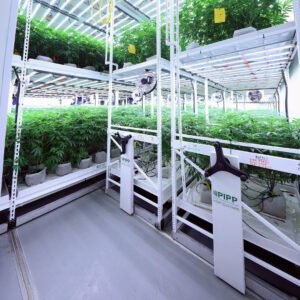
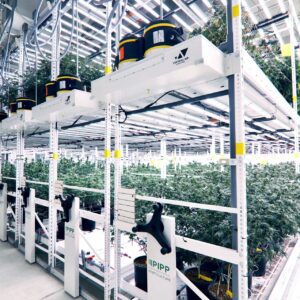
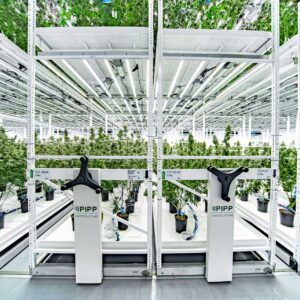
[#1] Double-Stacked Cannabis Mother Room Racks

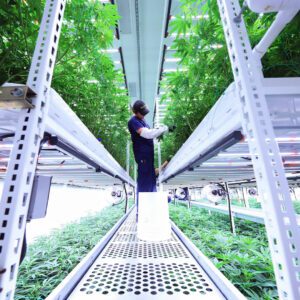
Let’s get into the actual layout of your cannabis mother room. How are these plants supported? Where are they located within the room?

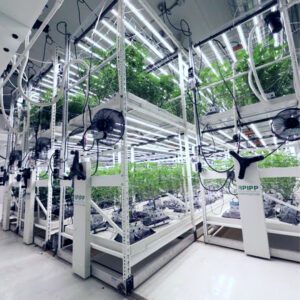
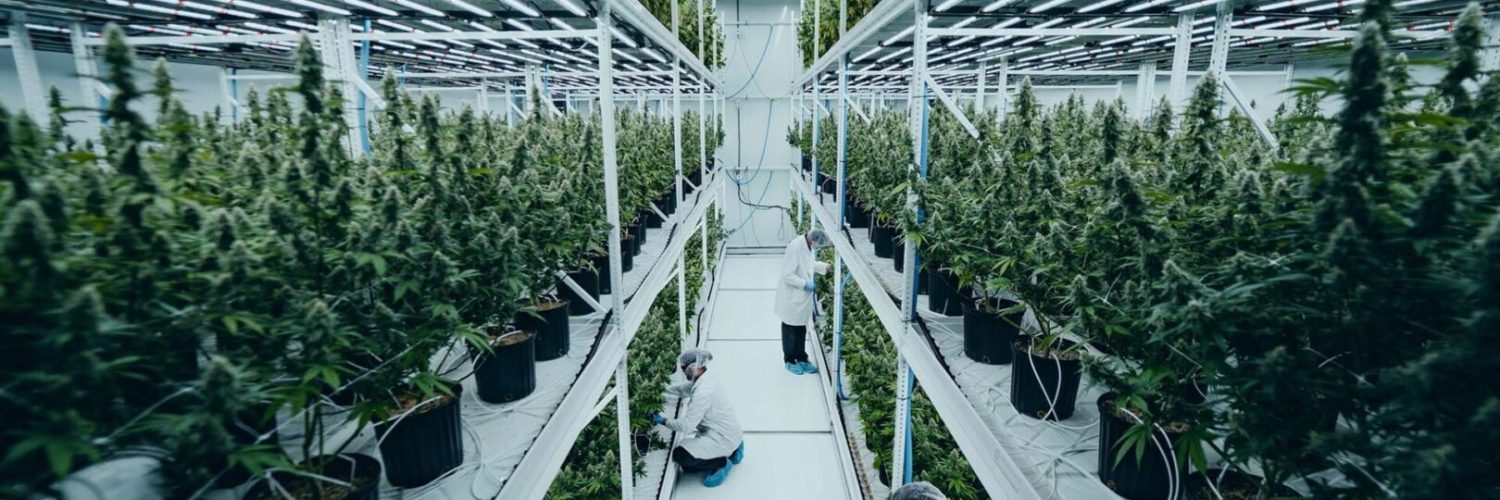
More often lately, our team has seen cultivators double-stacking mother plants and maintaining them for shorter lifespans (as opposed to running a single-level layout with plants that might be sustained for longer time periods). Some cultivation businesses might prefer to hold onto mother plants for upward of a year or more, but the shorter lifespan encourages more supple cuttings and a more agile cultivation team in general. This also limits the risk of pest and pathogen spread. 

In a 2023 webinar, Pipp’s Director of Horticulture, Anders Peterson said that double-stacking has proven benefits.
Pipp HorticultureGenerally, I’ll keep my younger mothers on the top level, which is typically a shorter elevation, as far as its height,” he said. “The bottom elevation, which will be taller in height, … can hold my more mature mothers.” 

Maintaining younger mother plants in your cycle balances the diversity of the room and allows for higher quality: We’ve noticed grow teams getting a significant increase in “A-grade” cuttings versus the older mother plants. Double-stacked mother rooms help house additional genetics in a smaller space, allowing you to allocate square footage for flower production.

READ MORE: See how much revenue you could be generating by going vertical!

There’s a balance, of course, in serving the market with tried-and-true genetics that will sell easily and providing dispensaries with more cutting-edge cultivars that might be a bit more experimental or nuanced in their demand curves. A diverse, double-stacked mother room lends some of that flexibility to your business.
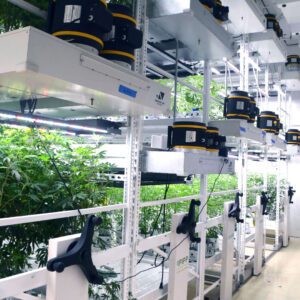
PRO TIP: Good ventilation is essential to prevent microclimates within the tiers. Use oscillating fans and ensure your room's HVAC system is capable of circulating air effectively throughout the stacked racks. Proper airflow helps to maintain consistent temperature and humidity levels across all levels, minimizing the risk of mold and pests.

[#2] Optimal Environmental Conditions

Pipp HorticultureYour facility runs on the efficiency of its environmental control system, but you must add a layer of redundancy by personally checking on the actual variables (temperature and humidity, foremost) on a regular basis. Automated systems are fine and increasingly prevalent, but your team should not solely rely on them. The value of the plants in your cannabis mother room is simply too great. Reliable handheld sensors (for variables such as temperature and relative humidity, among others) can be used to double-check and verify the automation and control platform data.

This may go without saying, but it’s worth underscoring the importance of daily touchpoints with your mother plants. In between cuttings, the maintenance of your plants is absolutely critical. 

Keep your mother plants in veg by maintaining an 18-hours-on/6-hours-off lighting schedule. Inspect and clean all light fixtures to ensure optimal output–and do whatever you can to prevent light leaking in from the hallway. In fact, implement a rotation schedule for light bulbs to maintain consistent light intensity and spectrum. 

That point about equipment maintenance is especially important in your mother room. Here’s a quick checklist of items you’ll want your team to manage on a clear, regular basis:Pipp Horticulture
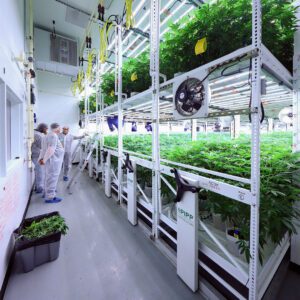
  • Check the efficiency of your ventilation system on a regular basis. Effective air circulation is the backbone of maintaining stable temperature and humidity levels in your mother room, (i.e., maintaining stable genetic lines!) and warding off mold and pests. Change your HVAC filters on a regular basis.
  • Check the sensors in your mother room to ensure accurate temperature and humidity monitoring. This goes back to that idea of redundancy and the human touch; you can’t rely solely on your automated data feeds. To maintain the accuracy of these systems, regular calibration should be part of your maintenance schedule as well. This ensures that your plants are always growing in the ideal conditions they need for optimal health.
  • Check on your airflow system in this room. If your ventilation system is in good shape, your fans will achieve even air distribution for your mother plants, keeping their veg cycles in a state of stasis. If you’re looking to give your plants an extra boost, consider implementing a CO2 enrichment system. This step requires the ability to closely monitor and control CO2 levels to avoid any potential harm to your plants.Pipp Horticulture
  • Establish a consistent watering schedule that’s responsive to the visual cues your mother plants give you. Paying close attention to their appearance and growth stage will guide you in adjusting their water and nutrient intake. 
  • To that end, daily inspections of your mother plants are critical. Be on the lookout for any signs of stress, pests, or disease. Regular pruning not only helps in controlling plant size and shape but also encourages healthy growth.
  • Lastly, do not overlook nutrient management in your mother room. Each strain and individual plant may have its own specific nutritional needs, and that’s paramount to the proper maintenance of the genetic line. By implementing a tailored feeding regimen and regularly testing the soil or hydroponic solution for nutrient content and pH levels, you can adjust your feeding strategy as necessary. Early detection of nutrient deficiencies or excesses, along with prompt treatment, is fundamental in maintaining the health and productivity of your mother plants.
[#3] Strict Sanitation and Hygiene Protocols

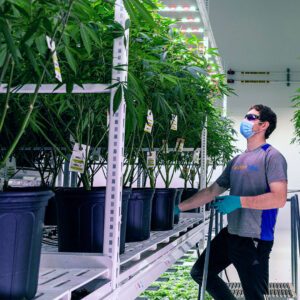
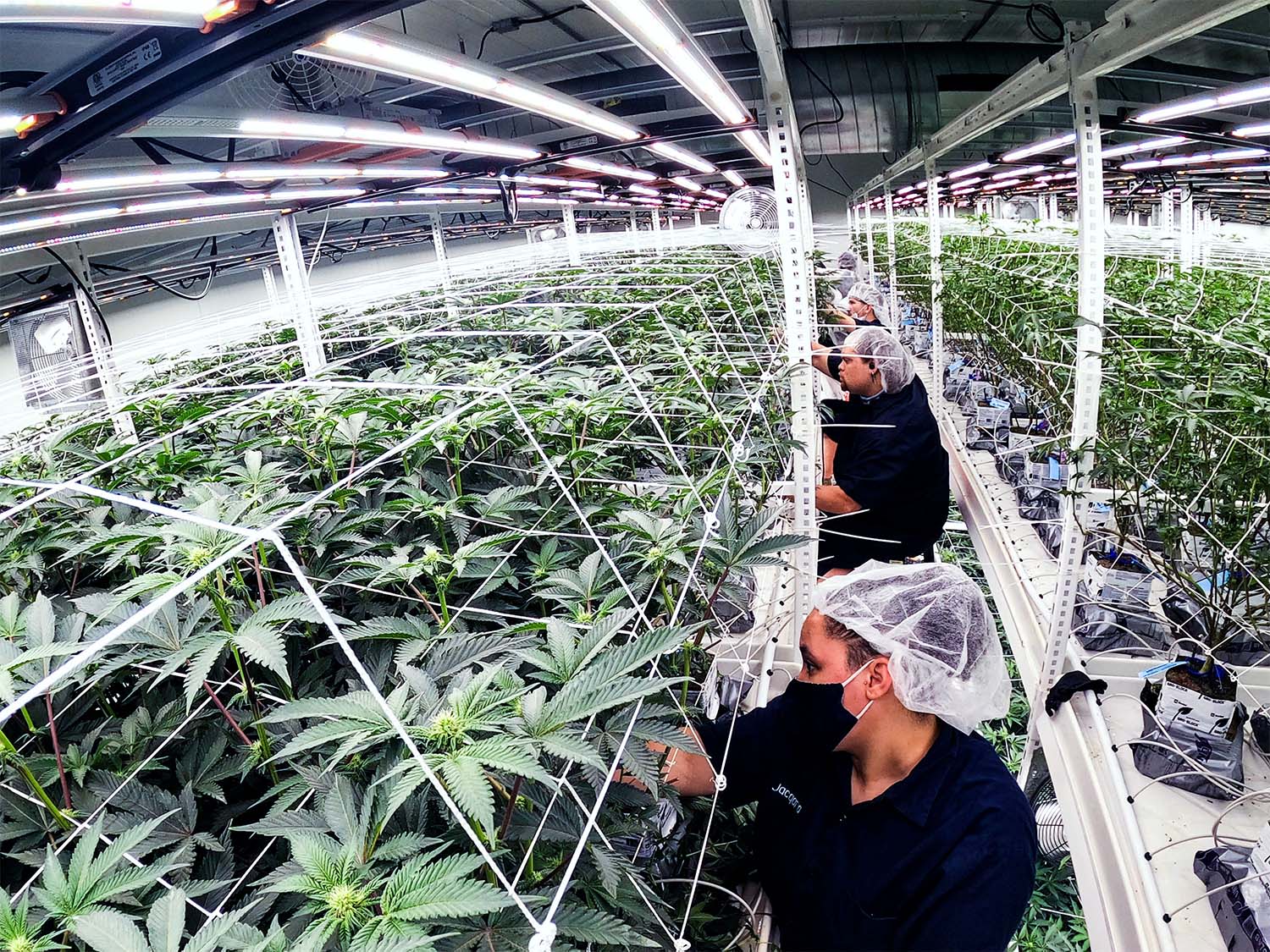
Pipp Horticulture Cannabis Mother RoomPerhaps more than any other room in your facility, the sanitation of your cannabis mother room is of critical importance. This is your genetic bank vault, after all.

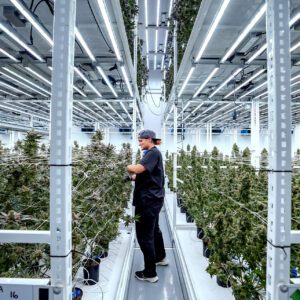
Set up a daily surface cleaning routine for this room, and keep your team members up-to-date on SOPs. This includes entry protocols (and possibly uniforms and footbaths). 

On that topic: While we all enjoy giving tours to curious news media and to interested stakeholders, you should never tour visitors through a mother room. Allow only a limited number of staff into your mother room. Protect it at all costs!

Use only one pair of pruning shears per mother plant, and don’t cross-contaminate them. The risk of hop latent viroid (HpLVd) is ever-present in facilities, and a pathogen like that could decimate your mothers (and thus your bottom line). Regularly sterilize all pots, trays, and other equipment used in this room. Any equipment relating to the mother room should not be used anywhere else in your facility.

To ensure a sense of uniformity across your plants and across time, develop a pruning schedule to manage plant size and shape. Training team members in proper pruning techniques is crucial to ensure they promote healthy growth without stressing the plants.

That pruning plan leads us to…
[#4] Cloning Procedures and Record Keeping

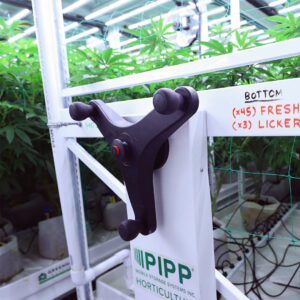
Pipp HorticultureCloning: where the true magic happens in your facility.

Follow a consistent cloning schedule, and make sure you’re building this schedule on sound reasoning (take your six-inch cuttings and rootings at the right time to maintain plant health). Document all records associated with each plant and its clones. Those records will inform later improvements in your mother room.

Observe the quality of those clones over time. How are they performing as they move through growth cycles? Those plants’ health will help you understand your mother plants’ health. Investigate and address right away any declines in cloning efficiency or quality.
PRO TIP: Implement regular data backup procedures to prevent loss of valuable genetic and cultivation records. Ensure that your digital tracking system has robust security measures in place to protect sensitive information and comply with regulatory requirements.

[#5] Regular Training and Education

Lastly, like most other activities in the cultivation space, work in the mother room is an ongoing education. Encourage your team to stay informed on the latest cultivation and genetic trends in cannabis.

Even in cultivation team meetings that don’t specifically address the mother room on the agenda, try to connect what’s happening in the mother room to broader developments in the business. Make sure that all employees are aware of what genetics you’re maintaining.

Coordination with the flowering team and sales staff is crucial for managing a cannabis mother room; you don’t want to be cutting clones of a cultivar that is not selling, or for a cultivar that is piling up in your finished product storage room. 

Mother rooms dictate the flow of product to the rest of your facility and ultimately to your sales channels.

The mother room team can greatly influence the culture of your business; and promote a culture of shared knowledge across the facility. Make sure that your mother room team is keeping other cultivation teams informed on any changes at the individual mother plant level.
Get a FREE Grow Consultation

How to Build a Flower Room For an Indoor Cannabis Facility

How to Build a Flower Room For an Indoor Cannabis Facility

Pipp Horticulture

What You Need To Know About Your Cannabis Flower Room

The flower room is the soul of the indoor cannabis facility. It’s where all tours with business partners and excitable local press corps members ultimately culminate, garnering wide-eyed looks of excitement. It’s where all the best traits of a cannabis cultivation company are on display. But those moments only scratch the surface of those rooms’ capabilities. The flower room is where a cultivation business turns plant material and ambition into revenue and growth.

Pipp HorticultureWhile “yield” has remained a cornerstone metric for cultivation businesses’ success since the dawn of the industry, this basic fact is only becoming more pertinent. Price compression, oversupply, rapidly evolving consumer demand trends: There are factors at play that demand new efficiencies coming out of the flower room. Yield is more important than ever, and your team can achieve great metrics by dialing in flower room design and operations. The design phase is a perfect opportunity to consider your broader flower room strategy, of course, but you can implement new efficiencies as you learn more about what works for your business. 
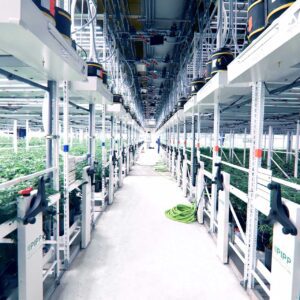
So, what sets any cannabis flower room apart from one another? Aside from the people working in those rooms, there are several fundamental aspects of good flower room design that must be accounted for in the early planning stages–and optimized on a regular basis once operations have commenced.

Consider:

  • Spatial Configuration and Plant Density
  • Integrated Environmental Control Engineering
  • Proper Air Flow and HVAC
  • Light Mapping and Design
  • Irrigation and Fertigation Infrastructure

Get those core concepts wrong, and your team will miss out on opportunities for stratospheric growth and output. Get them right, though, and you set yourself up for success. After all, what comes out of your cannabis flower room is all about what goes in. 

Spatial Configuration and Plant Density

Pipp HorticultureEnvironmental controls, efficient HVAC equipment, sufficient lighting: We’ll get into those technological aspects in a moment. Even more important than your software and hardware, however, is the actual floor plan of your flower rooms. People need to walk through these rooms scouting plants, cutting down plants, transporting plants, and ultimately turning over the room entirely for the next cycle. That’s a lot of movement! And your plants must be spaced evenly to ensure healthy, consistent growth and optimal yield for your business. You want to get the most out of your room, but not to the detriment of individual plants’ health. Your airflow and lighting plans will have given you a good base from which to arrange the actual benching in your flower room. How many plants can you sustain, given your equipment?

Consider mobile vertical racking systems to maximize this density while preserving the room’s foot traffic flow. You won’t waste an inch of space by adding mobile carriages  to your vertical racks, which eliminates fixed aisles between each rack. Mobile carriages will also provide a degree of flexibility when it comes time to expand your canopy or revisit your floor plan outright. Even the best-laid plans in indoor cultivation will be amended as your team hones their operation. By investing now in a more mobile solution, you’ve just bought yourself some serious room to grow in the future.

Plan to fill out those vertical racks with grow trays that allow you to seamlessly connect the technology that we’ll get into in a moment: your lights, your airflow, your irrigation. Picking the right grow tray might seem like a small step, but it’s a fundamental part of your workflow.

WANT TO LEARN MORE? Design your own grow space with Pipp’s Room Generator Tool!

PRO TIP: Different genetics result in different phenotypes. If you’re considering a fairly diverse portfolio of cultivars, implementing  vertical racking will allow you to place smaller plants higher, leaving more room on lower racks for taller plants. This height disparity can get very tricky when you’re managing airflow and lighting across a single plane of benches.

Integrated Environmental Control Engineering

It’s not enough anymore to have functioning environmental controls. The competitive nature of the cannabis marketplace insists that operators implement some form of integration and automation into their systems. Your team needs real-time data. As you design and build your flower rooms, you must plan for this integration.

Pipp HorticultureThe cornerstone of a successful cannabis flower room is its environmental control system. We’ll get into the specifics of HVAC, lighting, and irrigation shortly, but first, we must point out the importance of linking these technologies. Automation and data analytics go hand in hand with the actual horticultural practices of your flower room. 
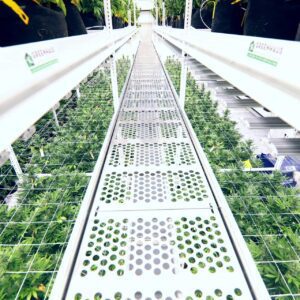
Your team will be in and out of your flower rooms, scouting individual plants, but so too will your environmental control systems analyze real-time data and identify trends among your crops. How are your plants responding to subtle changes in lighting or airflow? Which individual plants are receiving too much or too little light at a given moment? That data, as one minor example, is critical to understanding your flower room. By leveraging this data, growers can fine-tune their environmental parameters for optimal yield and quality.

So, where should your team begin? Develop your flower room design around programmable logic controllers (PLCs) that automate environmental inputs on a real-time basis. Ensure that your sensors are appropriately placed around the room to provide those PLCs with a comprehensive data set. Most data collection can also be conveyed via a given software provider’s app, allowing you and your team immediate access to real-time data and, of course, to sudden emergencies. This data can and should inform your cultivation decisions. Understanding that app should be an important part of your cultivation team onboarding process.

Every plant coming out of your flower room represents a small portion of your company’s bottom line. The data you’re receiving about how those plants are growing can help your team make decisions about what to grow and what to sell (and when to sell). This data collection allows a savvy cultivation team to draw a competitive flower room edge.

Proper Airflow and HVAC

Pipp HorticultureAirflow is critical to a cannabis flower room, where microclimates lurk and threaten the health of your plants. This is especially true in a vertical growing environment. While all inputs are critical in your flower room, airflow may be the one variable that can be the most limiting if you fail to execute for your facility’s and plants’ needs. 

Good air circulation can go a long way toward preventing the spread of more nefarious problems like pests and pathogens. Your HVAC system must exchange the air in your flower room several times per hour, balancing clean oxygen and CO2 levels for optimal plant growth. This means that your HVAC system will be working constantly in the background, so efficiency in your hardware is key.

Use HEPA filters in your ventilation system to remove any airborne pathogens. Indoor cannabis cultivation spaces, no matter the square footage, must be paragons of cleanliness and sanitation. If you’re designing a room as part of a new build, you can incorporate this from the start. 

Retrofit projects come with much more pressure on this particular point. Make sure the actual room you’re planning as a future flower room has the HVAC and ventilation capabilities to house flowering cannabis plants safely. Always bear in mind that we’re talking about plant material grown for human consumption. 

WANT TO LEARN MORE? Vertical Air Solutions’ patented In-Rack Airflow System provides uniform airflow in a multi-layered rolling rack platform.

Establish a regular maintenance schedule to keep that ventilation system as clean as can be. Delegate specific maintenance responsibilities to team members on a rotating basis so that everyone can dial in their understanding of the system. When it comes to energy efficiency, HVAC is one place where you can really invest for long-term savings. Work with your equipment provider to identify energy-efficient units and map out the cost of those units over time.

PRO TIP: Manage heat load from other pieces of equipment (more on lighting in a moment) and measure the capacity required to maintain a consistent temperature and humidity level in the room. Variable-speed fans can provide the flexibility needed to maintain those levels throughout the day.

Light Mapping and Design

Lights get the spotlight in cannabis cultivation, and perhaps deservedly so. A good cannabis flower room design will include light mapping projects as the buildout gets underway–and well into operations. Where will you place your light fixtures for optimal plant growth? How will you know which setup is ideal for your crop?
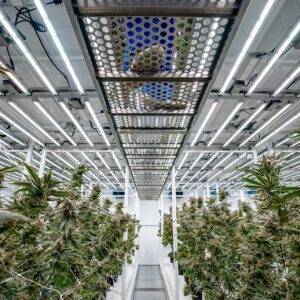
As you’ve noticed thus far, a keyword in flower room design is “consistency.” You can use software to map a room’s light intensity. This will give you a more refined picture than simply using your own eyes to gauge your room’s setup. You need to understand how much light a given plant is going to receive from all light fixtures that “touch” it. These programs coordinate each spot’s given light intensity by measuring light from as many as nine angles around the plant. This will give you a better sense of the uniformity of your light distribution. Much like you can avoid microclimates with uniform airflow, you can avoid hot spots with uniform lighting. 

Get familiar with the calculator for photosynthetic photon flux density (PPFD) and ensure that you’re covering the canopy. Within that coverage in your flower room, you want to recreate the sun’s own diurnal rhythm as closely as possible. While your veg room will operate on something close to an 18/6-hour cycle, your flower room will be on a 12/12-hour cycle of darkness and light. (Consider, too, the potential power of inter-canopy lighting.)

PRO TIP: Be mindful of light pollution streaming in from hallways. It might not seem like a big deal when so many more consequential investments are being made early on, but photons leaking in from the hallway can have an outsized impact on your plants’ health. As an added precaution, consider using green light spectra (near 530nm) in the hallway outside your flower room(s) to limit any problematic spillover effects. 

Irrigation and Fertigation Infrastructure

Freedom GreenIrrigation and fertigation are critical aspects to your flower room design and to the finished flower you’re harvesting. Perhaps nutrient recipes are more proprietary than light maps. Nonetheless, anyone working on designs for a new indoor facility’s flower rooms or for a series of retrofitted flower rooms must consider the source of water and the delivery of that water (and those nutrients).
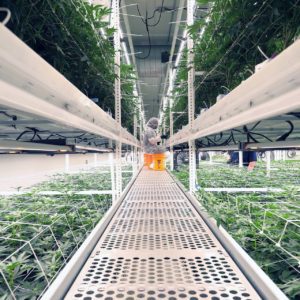
Once again, consistency will drive this facet of your flower room plan. Automated drip irrigation systems or hydro setups can deliver uniform amounts of water and nutrients to each plant with minimal interruption to the floor plant mentioned in the previous section. You don’t need hoses lying around your flower room; you need solutions. 

Within those systems, make sure your environmental controls include monitoring of pH and electrical conductivity (EC) to continue that consistent nutrient delivery. Overwatering, underwatering: Nothing good comes from being imprecise with your irrigation system. 

Cannabis Flower Room Efficiency Checklist

  1. Pipp HorticultureRegularly check and maintain the HVAC and ventilation systems to ensure the CO2 supply is working correctly. Systematize this process as part of your team’s SOPs.

  2. Inspect your lighting fixtures, first through your environmental control data and then by physically examining any units that need maintenance. Clean them regularly.
  3. Same with your fan units: Keep the room’s air moving efficiently by maintaining fans and air filters regularly.
  4. Maintain a highly detailed sanitation protocol.
  5. Ask your cultivation team members what they think about the literal floor plan: How easy is it to get their jobs done within the flower room(s)?
  6. Check your irrigation and fertigation systems for any unexpected issues, and ensure your plants get the right amount of nutrients.
  7. As a senior-level management team, periodically review how well your flower room is running and look for ways to save energy and resources.
  8. Ensure all team members are well trained in your company’s flower room safety SOPs and regularly review and update operational procedures.

Get a FREE Grow Consultation

Episode 1: Converting Single-Tier Legacy Cannabis Cultivation to a State-of-the-Art Multi-Tier Operation with Daniel Craveiro

Episode 1: Converting Single-Tier Legacy Cannabis Cultivation to a State-of-the-Art Multi-Tier Operation with Daniel Craveiro

Episode 1: Converting Single-Tier Legacy Cannabis Cultivation to a State-of-the-Art Multi-Tier Operation with Daniel Craveiro

Summary:

Daniel Craveiro is the Director of Research & Development at Camaraderie Group, an organization that includes such brands as Mayflower Farms and Sirona Cultivated. Today, Michael and Daniel engage in a deep discussion on the cannabis industry, fertigation systems, and the difference between traditional cultivation methods and multi-tiered setups.

About Daniel:

Daniel Craveiro entered the regulated Cannabis industry in 2009 while pursuing a degree in Ecology and Evolutionary Biology at the University of Colorado at Boulder. Since 2009, Daniel has had ample experience in Cultivation and Manufacturing facility design and build, equipment and methodology selection and implementation and facility commissioning and training. He has contributed to the design and build of multiple ground-up and retrofit facilities across multiple states including Colorado, Michigan and California. Daniel has contributed to the development of the DAGDA Fertigation System, which is a state-of-the-art suite of automated plant irrigation solutions for cultivators that uses real-time plant data to make irrigation decisions. This system allows cultivators to make data-driven decisions that contribute to consistent, reproducible crop outcomes. Daniel has also conducted research in the field of Cannabis plant sciences and manufacturing techniques and has collaborated on research with prominent companies and institutions in the field of Cannabis sciences and product development. Daniel has been a part of award-winning teams, including being a recipient of awards from High Times magazine, the THC Classic Cup and The 710 Showdown.

00:01 – Daniel joins the show to share his origin story, cannabis cultivation, and transdermal patches

06:36 – Revolutionizing the world of cannabis sales

08:29 – Multi-State Operators (MSO), explained

13:00 – Fertigation systems

18:59 – Daniel describes some of the infrastructure he has in place at Mayflower Farms

22:38 – The difference between solventless and solvent-based extracts

31:02 – Transitioning from traditional cultivation methods to multi-tiered setups

34:50 – Daniel speaks to some of the innovations they are working on at Mayflower Farms

42:05 – Initiatives to be environmentally friendly and to continuously improve

45:07 – Tips for building a great culture

46:39 – Advice Daniel would give to those considering shifting from single to multi-tier

48:52 – Michael thanks Daniel for joining the show

“We don’t see this being an industry that has a pot of gold at the end of the rainbow, which is the perception that a lot of people have. Our perception of the industry is that it’s just like any other, but we have an opportunity to be in it a bit ahead and a bit early.” (09:24) 

“We looked at the existing fertigation systems that were in the market and we saw some of the deficits they had in terms of being applicable to cannabis specifically. So, we decided to jump full on into that endeavor. What we’ve done since is basically develop a set of systems for fertilizer mixing, fertilizer delivery to the plant - so irrigation - and then also substrate monitoring.” (14:56) 

“It’s very unique how you find these groups or families of strains that share characteristics…I think there’s a very big world of complements that can occur in cannabis that people aren’t exploring as much. And we’re curious about it so we’re playing around with it.” (30:35) 

“One of the biggest challenges in cannabis right now is accounting. It’s a very complex business to do this and there’s a lot of different components to it. A lot of growers actually don’t know how much it costs them to grow a pound of product.” (40:55) 

“We try to adopt the concept of continuous improvement in our company. You could say it’s a cliche thing, but when you get it into the heads of every team member out there and you walk the floor, you notice that people are looking around for ways to make their lives better.” (43:39) 

DAGDA Fertigation - https://www.dagdafertigation.com

Mayflower Farms – https://mayflowerfarms.com/ 

Mayflower Farms Instagram – https://www.instagram.com/mayflowerfarms/ 

Sirona Cultivated – https://sironacultivated.com/ 

The Perfect Elevation – https://www.theperfectelevation.com/ 

The Perfect Elevation Instagram – https://www.instagram.com/summit_theperfectelevation/ 

Dozuki – https://www.dozuki.com/

Get a FREE Grow Consultation