Part II: Implementing A Mobile Multi-Level Cultivation System in Your Facility

Part II: Implementing A Mobile Multi-Level Cultivation System in Your Facility

Part II: Implementing A Mobile Multi-Level Cultivation System in Your Facility


Part 2: Lower Energy Consumption Needed to Maintain Environmental Controls

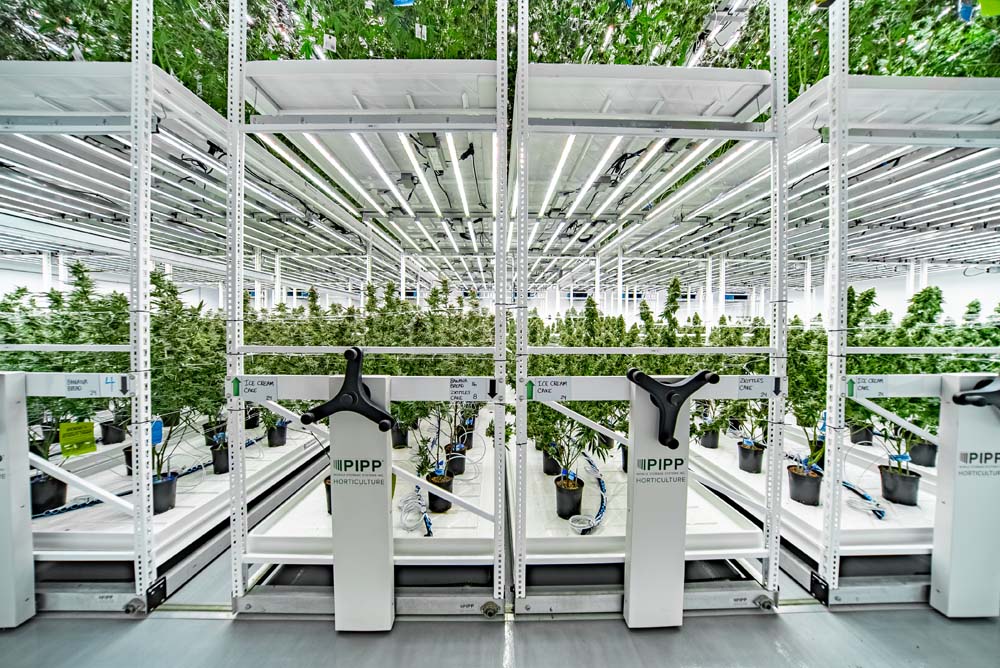
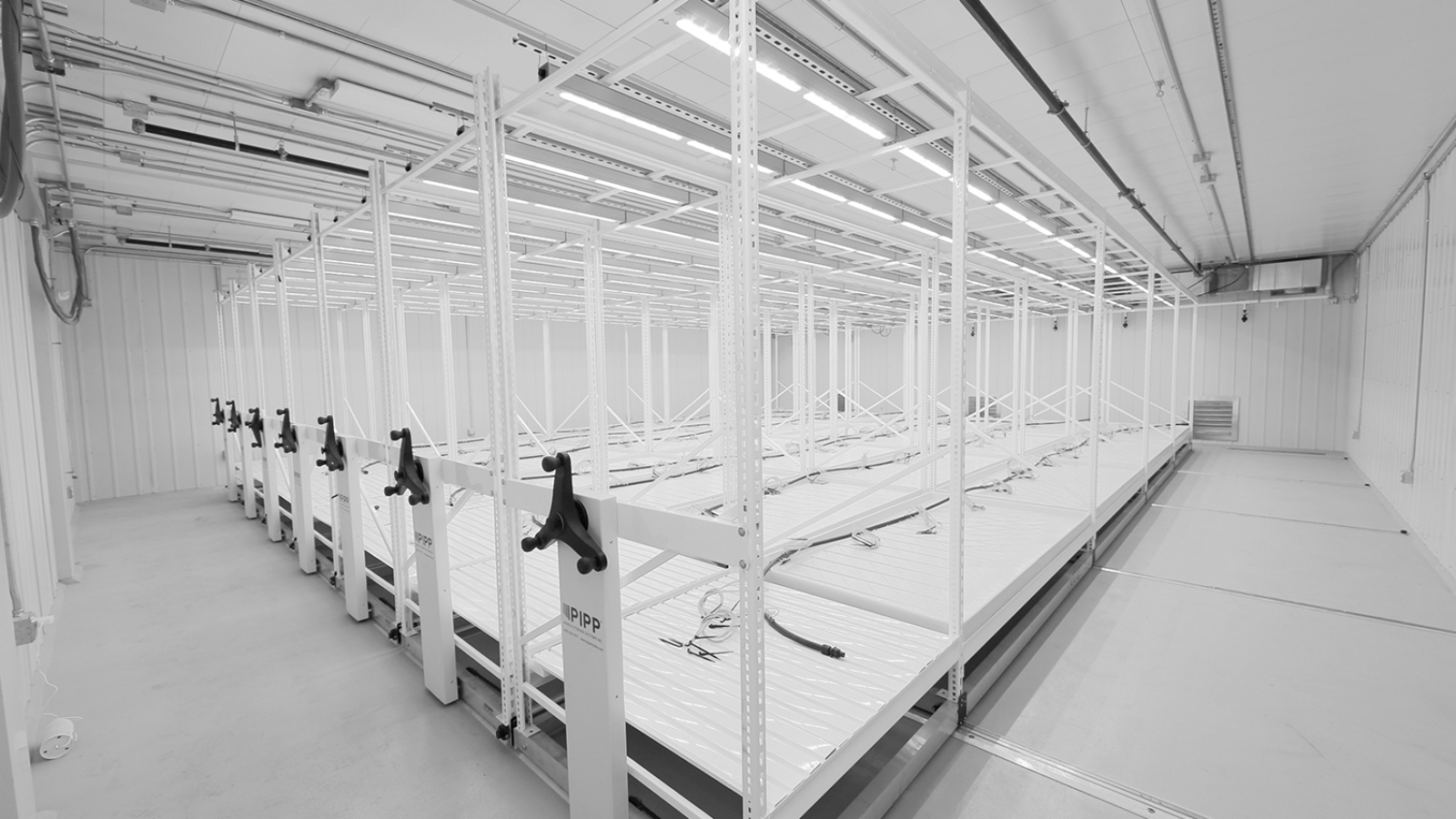
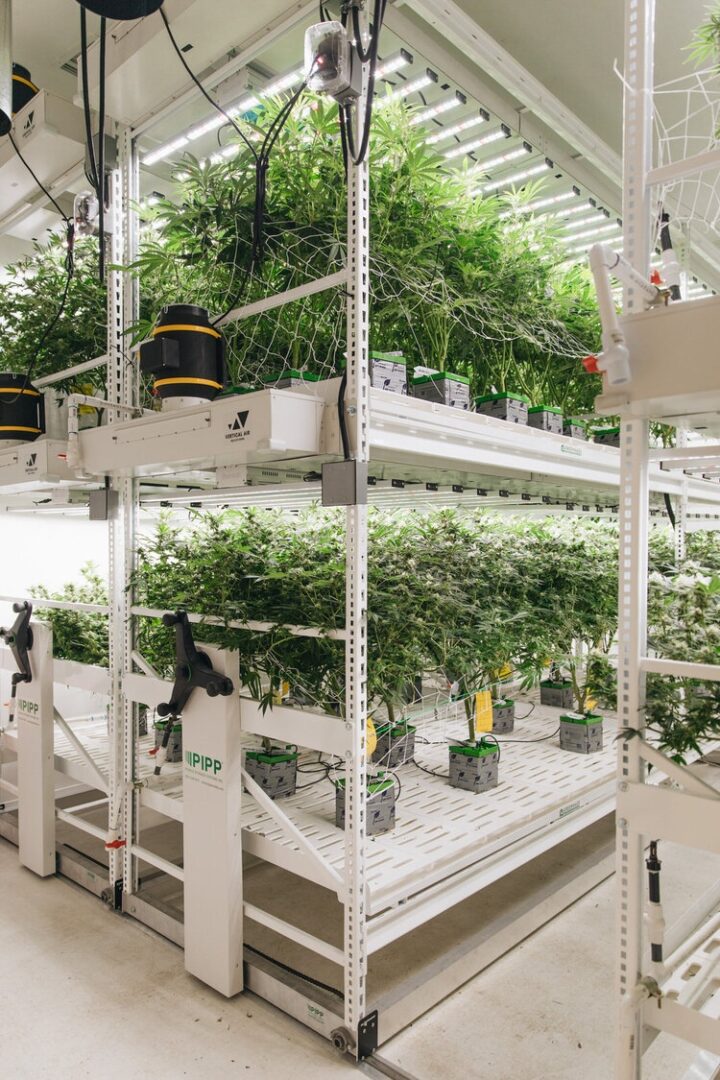
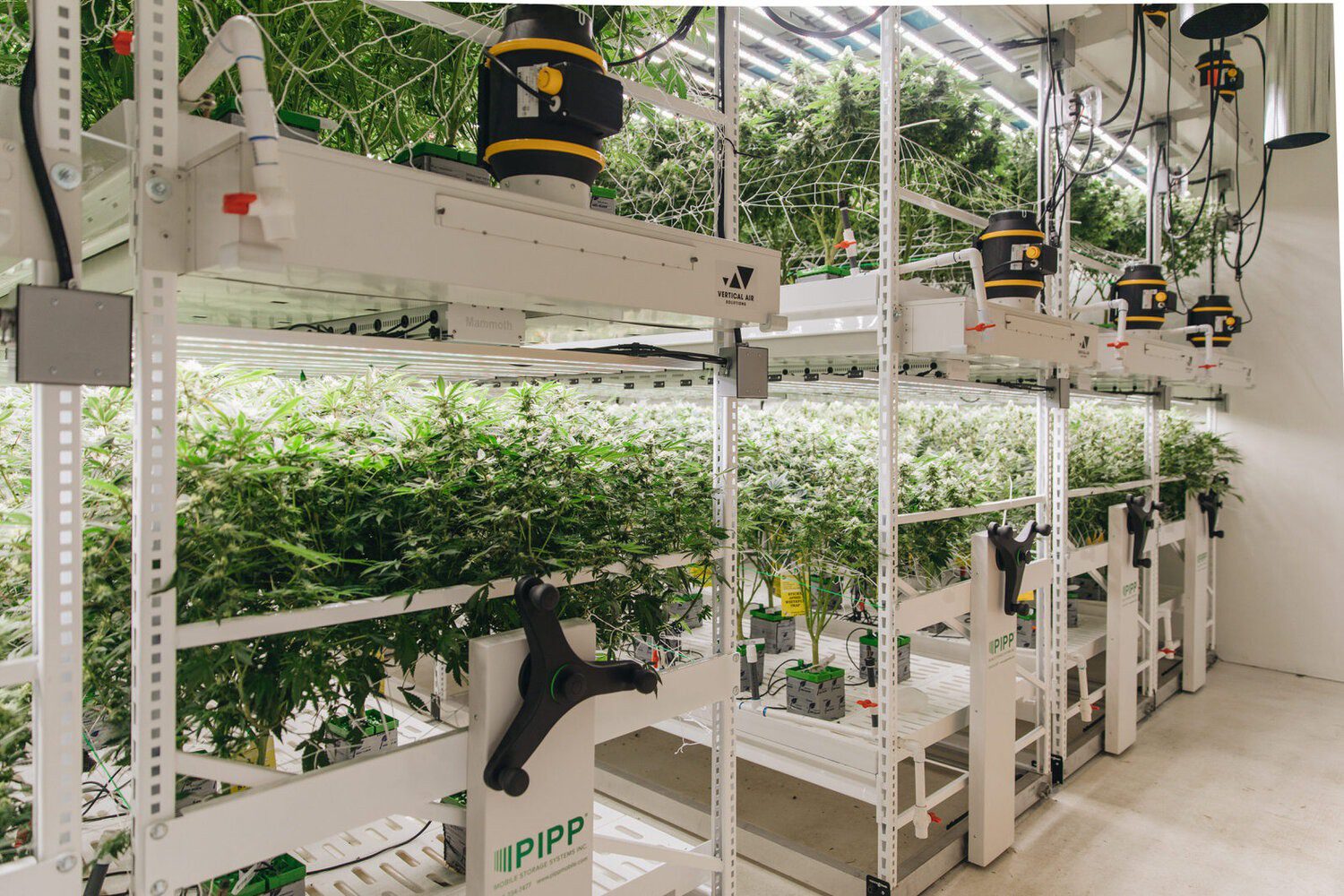
In the second part of this series, we explore another benefit of implementing Pipp Horticulture mobile vertical racking solutions throughout your facility: lowering immediate and long-term energy consumption per gram, as well as initial capital expense.  In addition to increasing canopy space and your bottom line, as discussed in the first part of this series, vertical cultivation simultaneously lowers expenditures on energy, accruing savings into the hundreds of thousands, or even millions, for cultivators over time.  Not only can a vertical cultivation system reduce overhead costs per unit, but through implementation, cultivators can create a more efficient, sustainable and environmentally-conscious platform.

Exponential Energy Costs for Cultivators

In many states with recreational or medicinal cannabis programs, the laws dictate that cannabis must be grown indoors, thus forcing cultivators to replicate essential elements in nature, such as the sun, wind, humidity through their system of environmental controls.  Because of this, cannabis cultivation has become known for the massive mechanical infrastructure and the energy it requires and its effect on the environment, with research concluding that cannabis cultivation consumes up to 10 times the amount of energy as an office building.  Cultivators often see their energy costs accounting for up to 50% of their overhead expenditures, with the majority of those costs spent on lighting and HVAC needs.

Unfortunately, many cultivators miss opportunities to be more energy-efficient and cost-effective when designing their grow.  Opting for standard single-tiered designs and lower initial equipment costs cause cultivators to lose countless savings on fixed-costs as well as the opportunity to increase revenue with additional canopy space.

Utility companies have now started to incentivize cannabis cultivators to embrace best practices as well.  To prevent overloading of energy distribution systems, utility companies have and continue to develop programs to achieve energy-savings goals for both the utility company and cultivators.  Incentives such as energy-savings opportunity studies, engineering-design analysis, and rebates, are encouraging cannabis companies to reduce their energy consumption as well as environmental impact.  These opportunities are not just reserved for cultivators in the “new construction” phase and typically extend to those retrofitting and remodeling.

Reducing Overhead Through Vertical Grow Applications

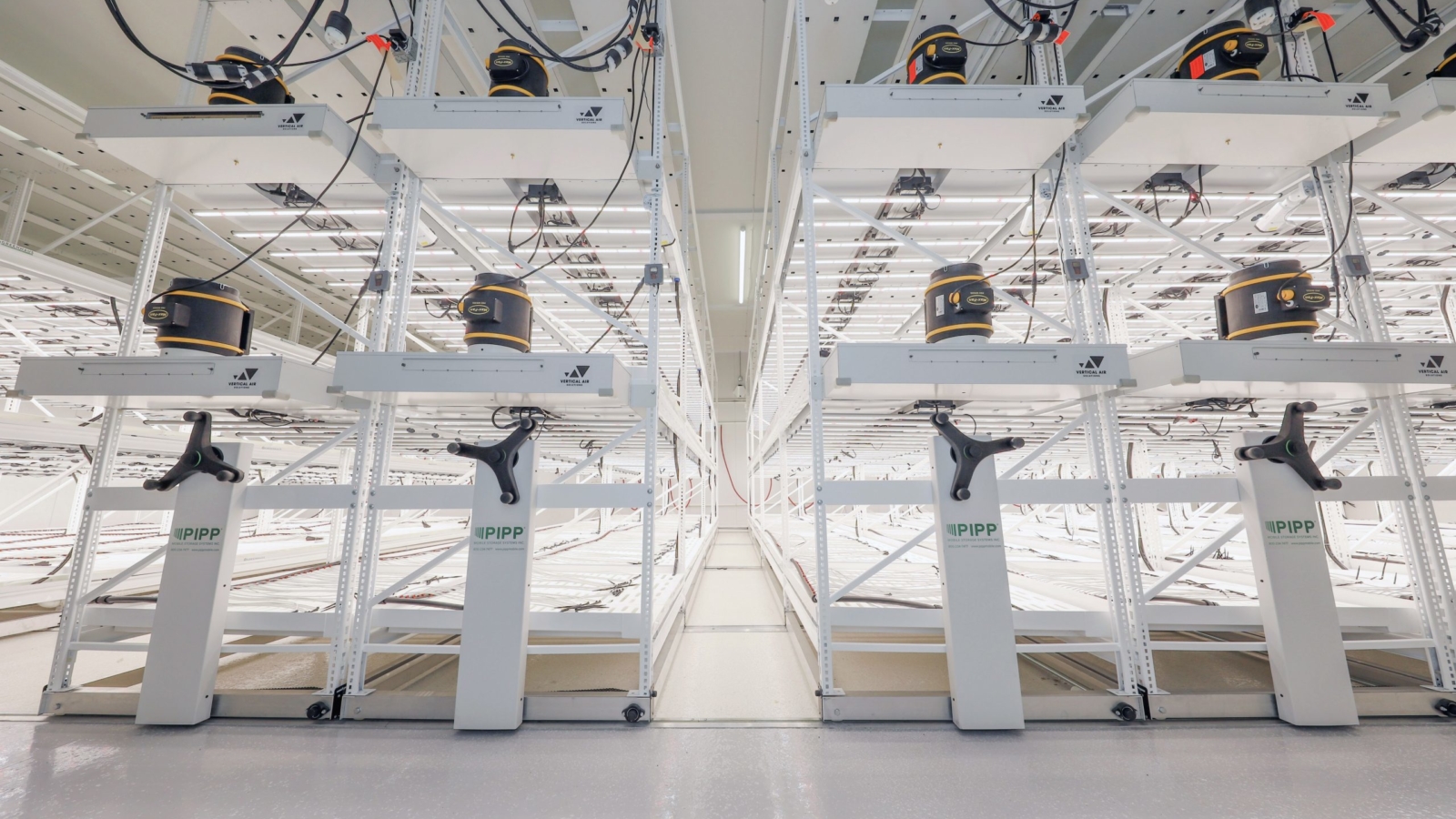
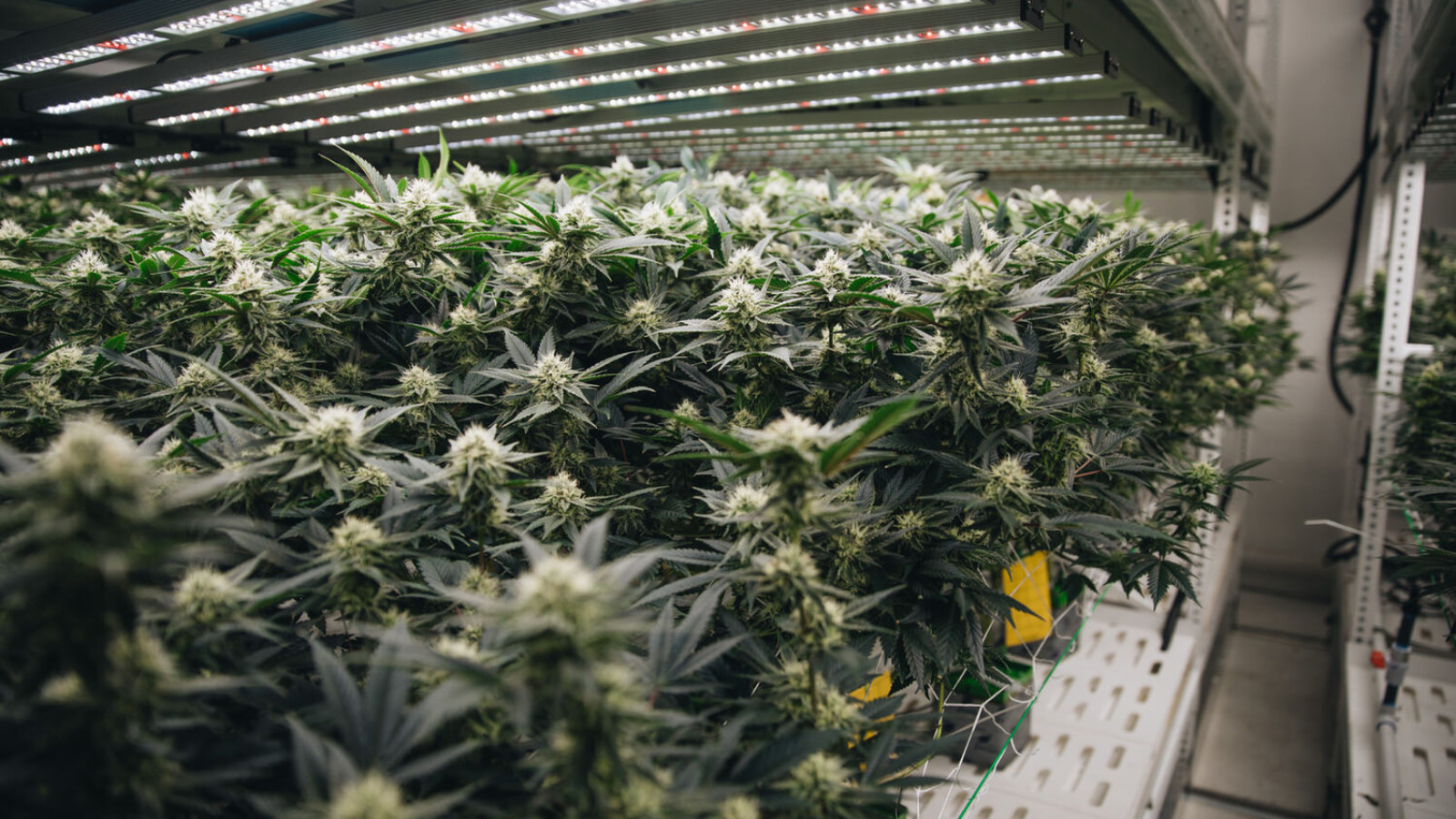
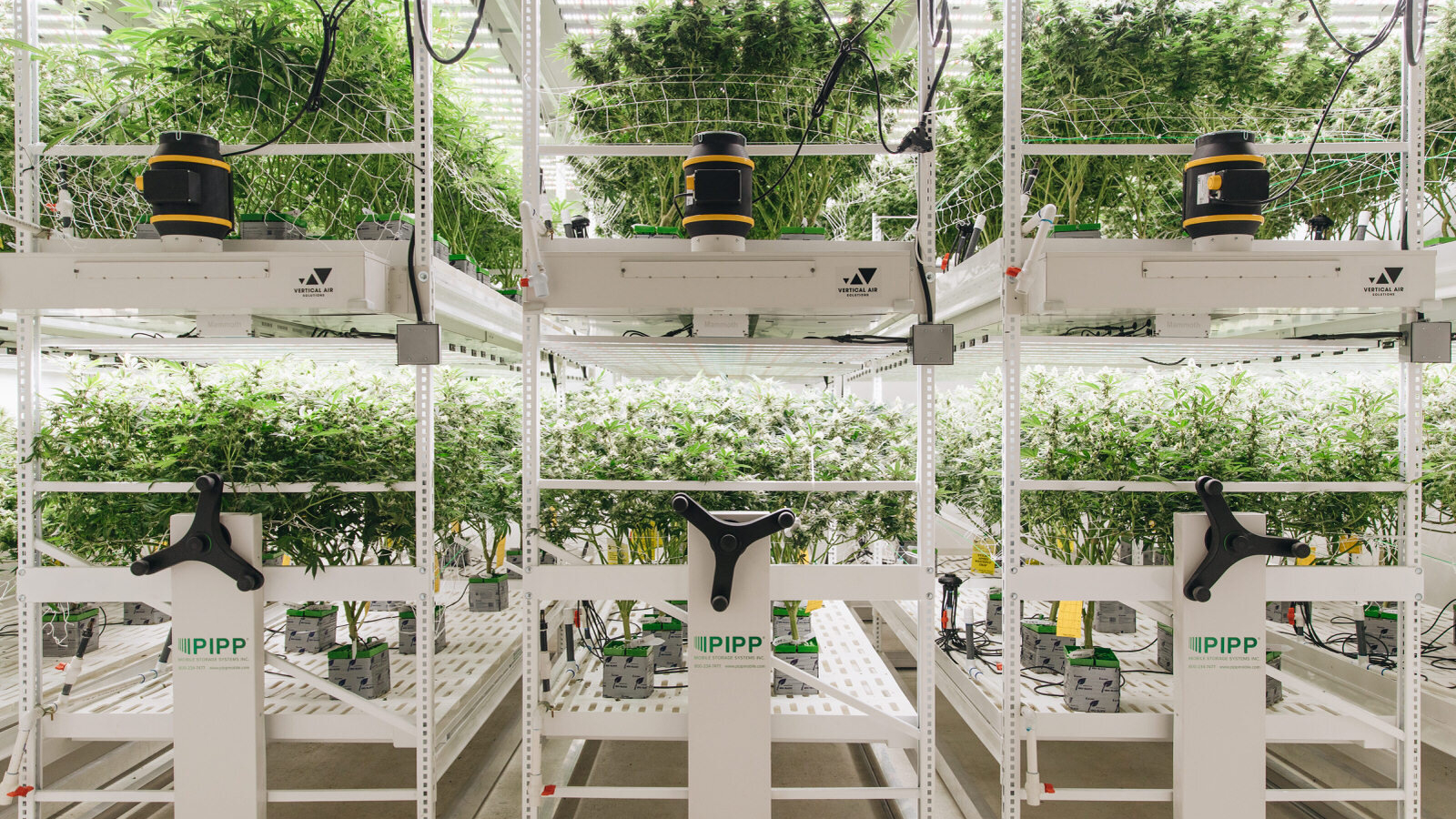
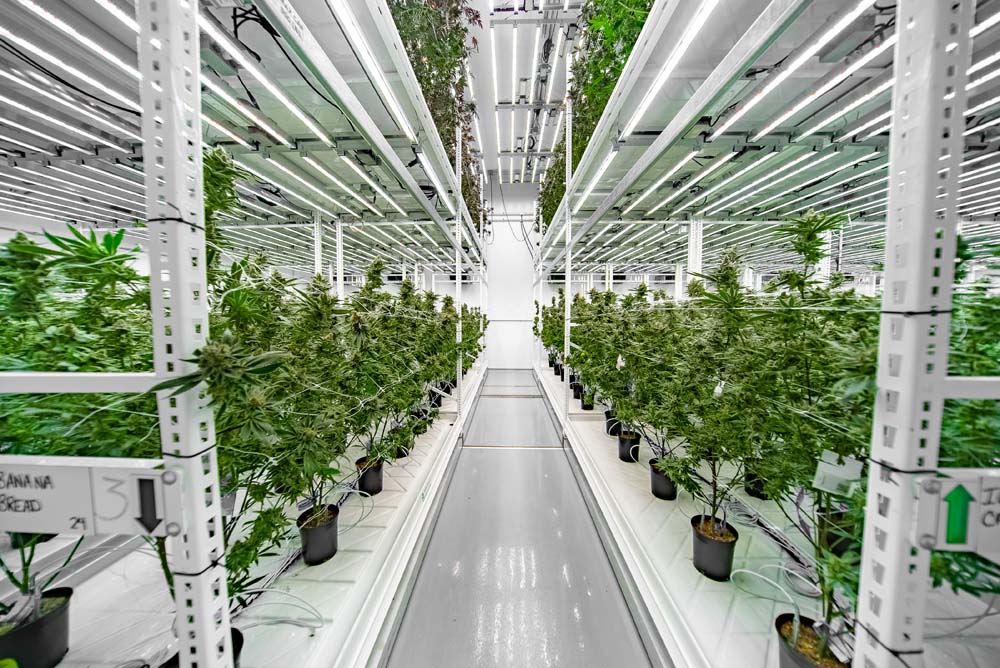
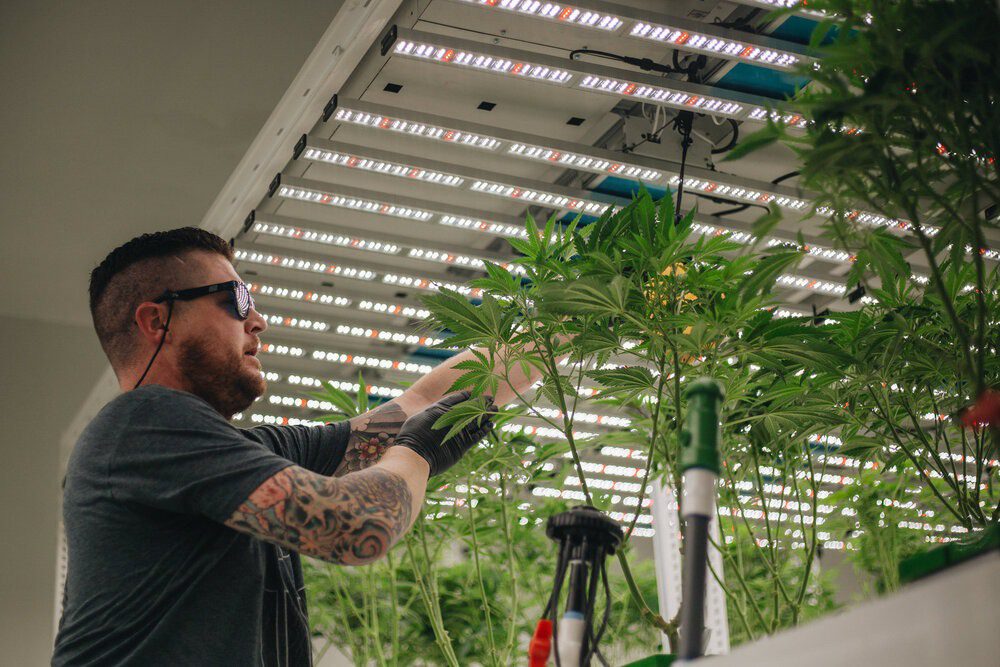
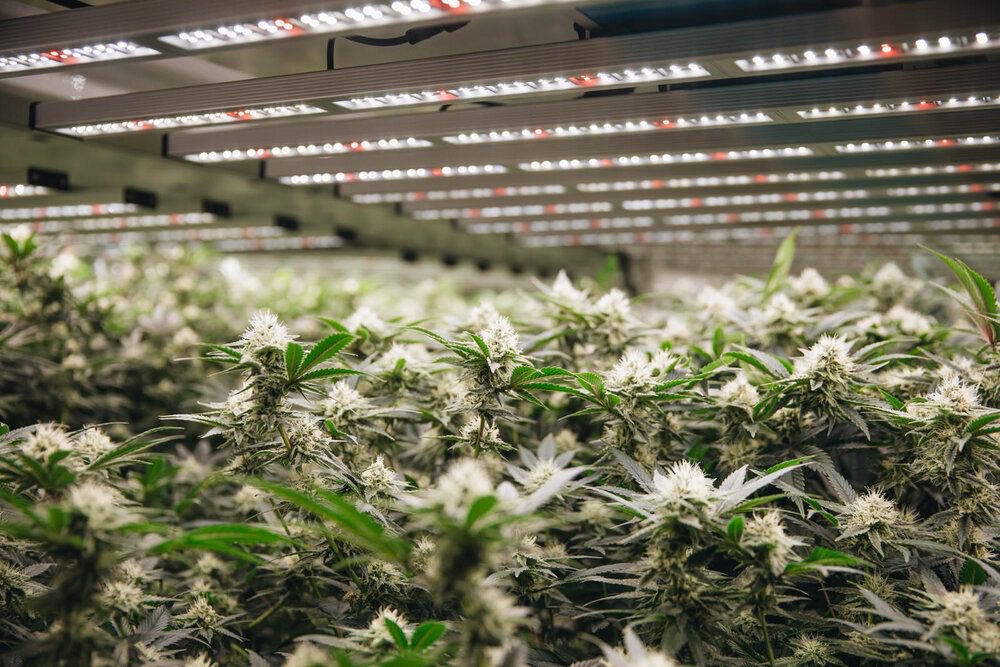
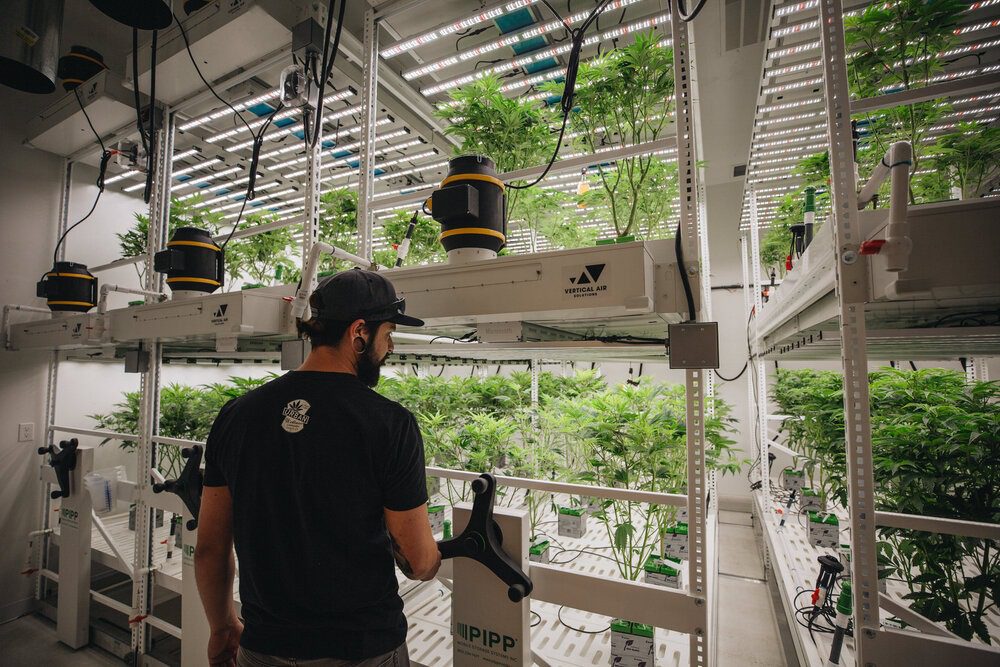
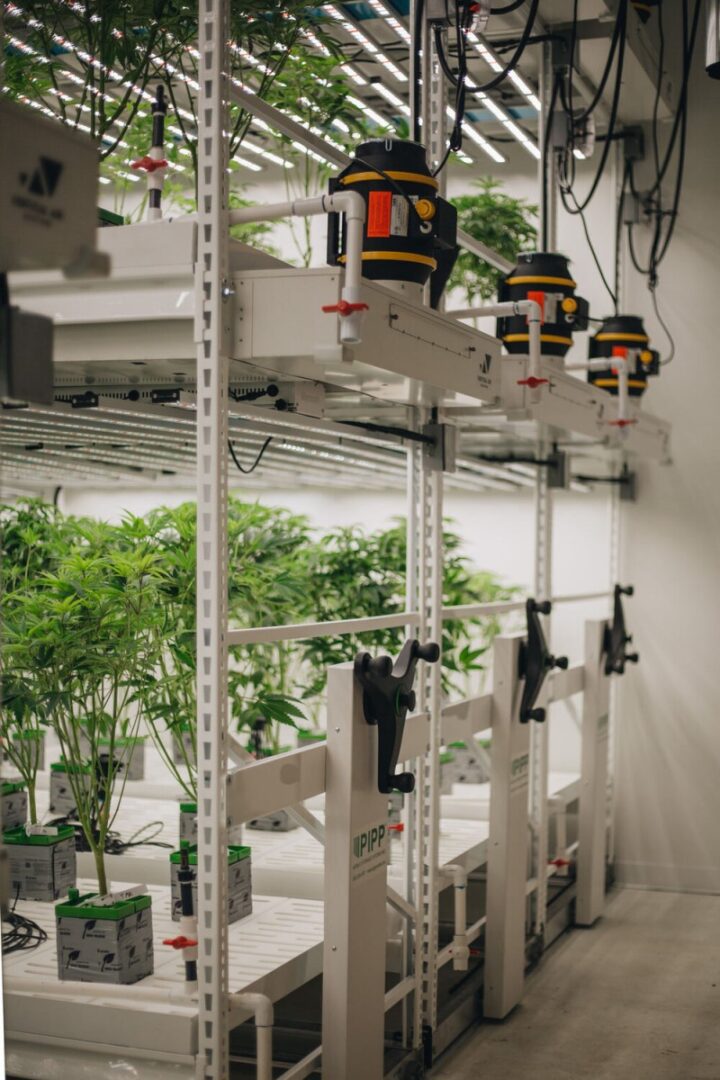
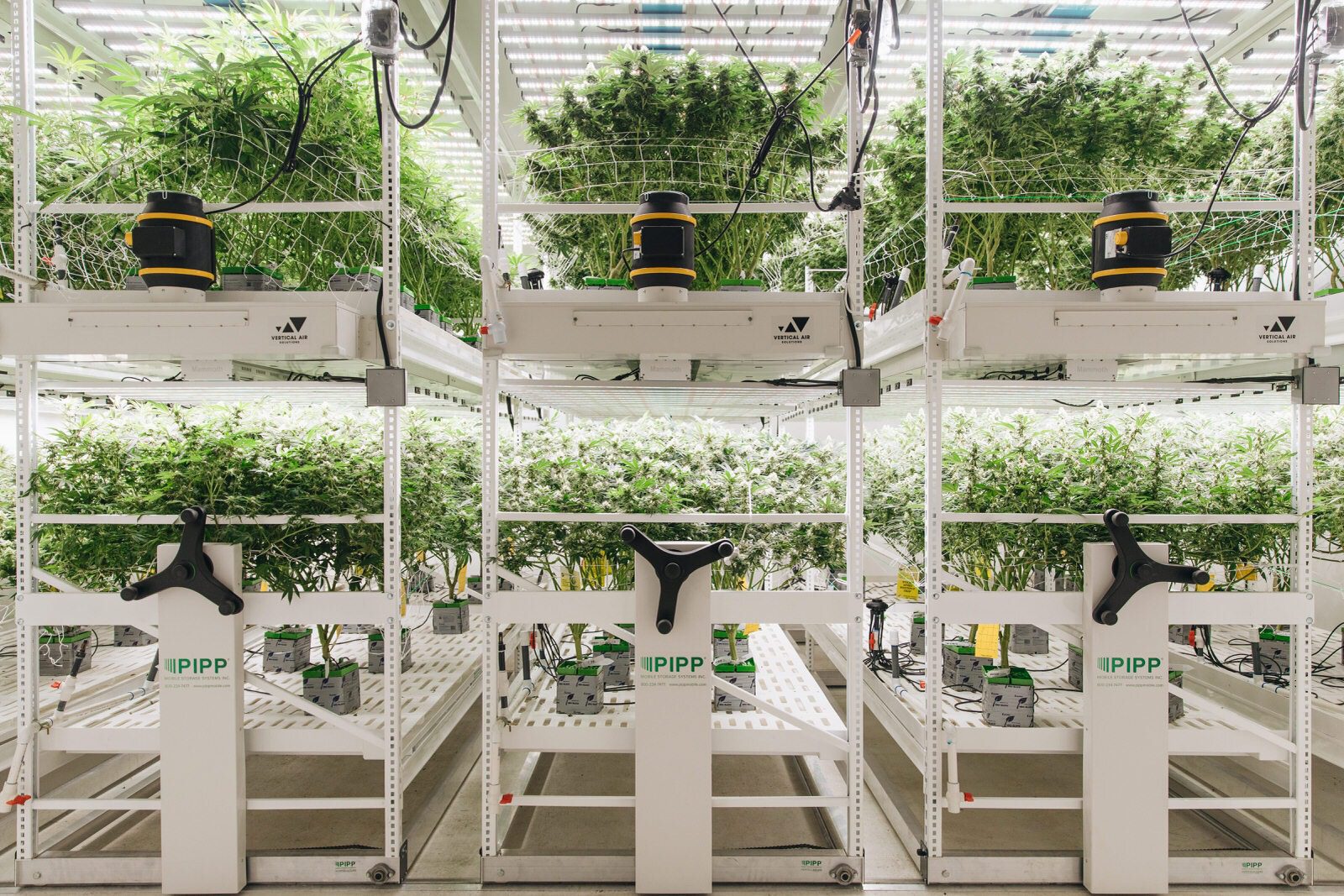
Through the implementation of Pipp Horticulture and Greenhaus Industries vertical racking systems, cultivators are saving substantially on their energy costs per gram.  Traditional lighting sources, such as single or double-ended HPS lights used by many cultivators, lack the benefit of being able to be placed in close-range to the plants due to the excessive heat they produce.  The technological advancements made in LED lighting allow them to be fully utilized in vertically-designed grow systems.  The low thermal output from the lights is optimal for vertical cultivation because they can be placed close to the plants without the fear of burning or over-heating them. Lower thermal output of LED lighting also allows for a reduction of capital expenditures and operating expenses associated with HVAC.

In addition to low thermal output from LEDs, less energy is needed to operate, and LEDs have a longer lifespan than other lighting used by cultivators.  According to the US Department of Energy, converting to energy-efficient LED lighting allows for an average of 24% to 30% reduction in operating costs, and have even been known to reduce cultivator operating costs as much as 50% long-term.  The LED lights employed in vertical racking systems typically get approximately 50,000 hours of use (over ten years on a 12:12 lighting schedule), where standard HPS lights need to be replaced annually, at least.  Unfortunately, due to established beliefs, lack of institutional funding and higher initial cost of implementing LED lighting, the adoption of the technology has been slow.  Despite the higher initial cost, the ROI of LED lights in conjunction with mobile vertical cultivation is achieved faster, by the significantly reduced operating cost and equipment replacement fees, as well as the additional revenue gained with LED lights and vertical racking.

In addition to the considerable amount of energy expended and costs associated with, the lighting needs of cultivators are the ongoing costs to maintain their HVAC system.  HVAC systems, which are responsible for reducing outdoor contamination, as well as maintaining the ideal temperature, humidity and CO2 levels, can account for as much as 50% of the energy costs endured by cultivators.  These systems, responsible for maintaining various environmental controls, reduce a cultivator’s risk for harmful plant conditions, such as mold and mildew.  Technological advancements and energy-efficiency opportunities have been slow to surface regarding the HVAC systems used by cultivators who, when designing their grows, generally use designs from companies lacking cannabis experience, and the knowledge of the intricate environmental controls needed.  Equipment used for standard home and office uses are often employed, and struggle to keep up with the demands of the grow.

HVAC systems never stop running and have a consistent demand put on them when they are on.  In single-level grows, each time lights are powered up or turned off, the HVAC system has to work to catch up with the amount of heat being either emitted into or reduced from the environment.  By implementing vertical racking systems using LED technology, the ongoing demand for HVAC controls are spread over increased output.  Environmental conditions stabilize quicker and with greater ease due to the lessened amount of heat distributed from the lights. Utilizing vertical racking systems with LED lighting reduces CAPEX expenditures needed per unit of output,

Achieving Best Practices in Your Grow

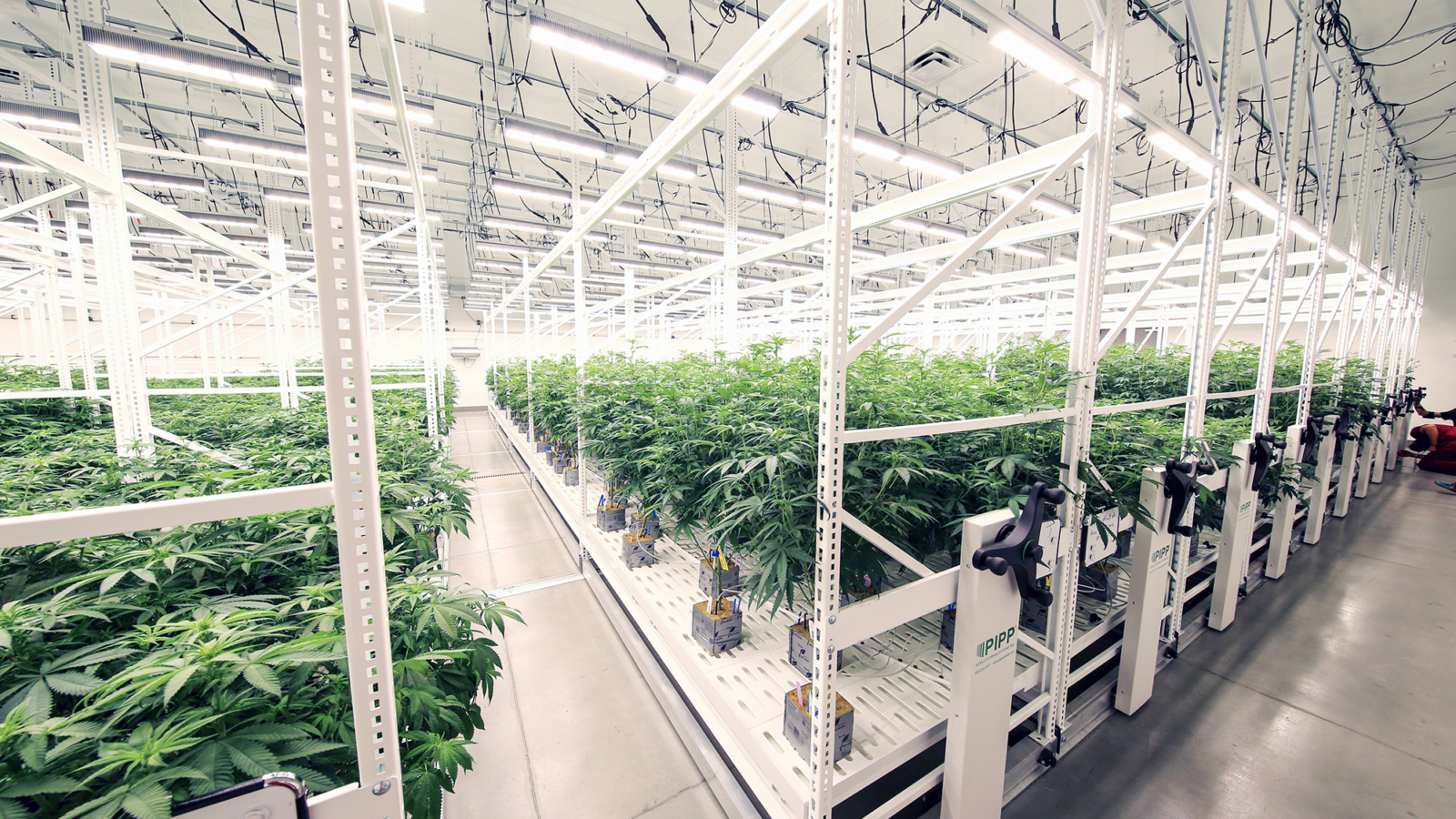
By incorporating energy and space-efficient practices throughout a grow, cultivators can increase production and drive down operating costs, while maintaining stability.  Technological advancements have allowed for more efficient and eco-conscious cultivating methods, with vertical growing applications being at the forefront of these advancements.  Pipp Horticulture mobile vertical racking systems are designed to accommodate and easily integrate a wide range of requirements to meet environmental needs and controls. Through the implementation of vertical racking systems, the energy expended to meet the environmental demands of an indoor cultivator is consistently reduced, over time as well as initially.  Best practices are met and exceeded with vertical growing systems by allowing cultivators to decrease overhead per unit and have additional capital to reinvest in their company.

Get a FREE Grow Consultation

How Pipp Horticulture’s Vertical Grow Racks Are Green By Design

How Pipp Horticulture’s Vertical Grow Racks Are Green By Design

How Pipp Horticulture’s Vertical Grow Racks Are Green By Design
Pipp Horticulture is committed to environmental sustainability. As a responsible manufacturer, we are doing our part by having processes in place to minimize the impact on the environment. Check out how we reduce, reuse, and recycle this Earth Day below:
Get Started!

Get a FREE Grow Consultation

Implementing A Mobile Multi-Level Cultivation System in Your Facility

Implementing A Mobile Multi-Level Cultivation System in Your Facility

Implementing A Mobile Multi-Level Cultivation System in Your Facility

Part I: Fixed Cost Absorption and Reduction

In the first of a three-part series, we explore how implementing Pipp Horticulture mobile multi-level cultivation and space optimization systems can drastically increase output, improve your bottom line and maximize your ROI.  In an industry like cannabis, where fixed costs continue to rise, increasing the bottom line and improving efficiencies is essential to success. Vertical applications throughout production facilities mean more than just an increase in plant count; it is a calculated way to remain competitive in a capital-intensive industry.

Increasing Canopy Space, Without the Square Footage

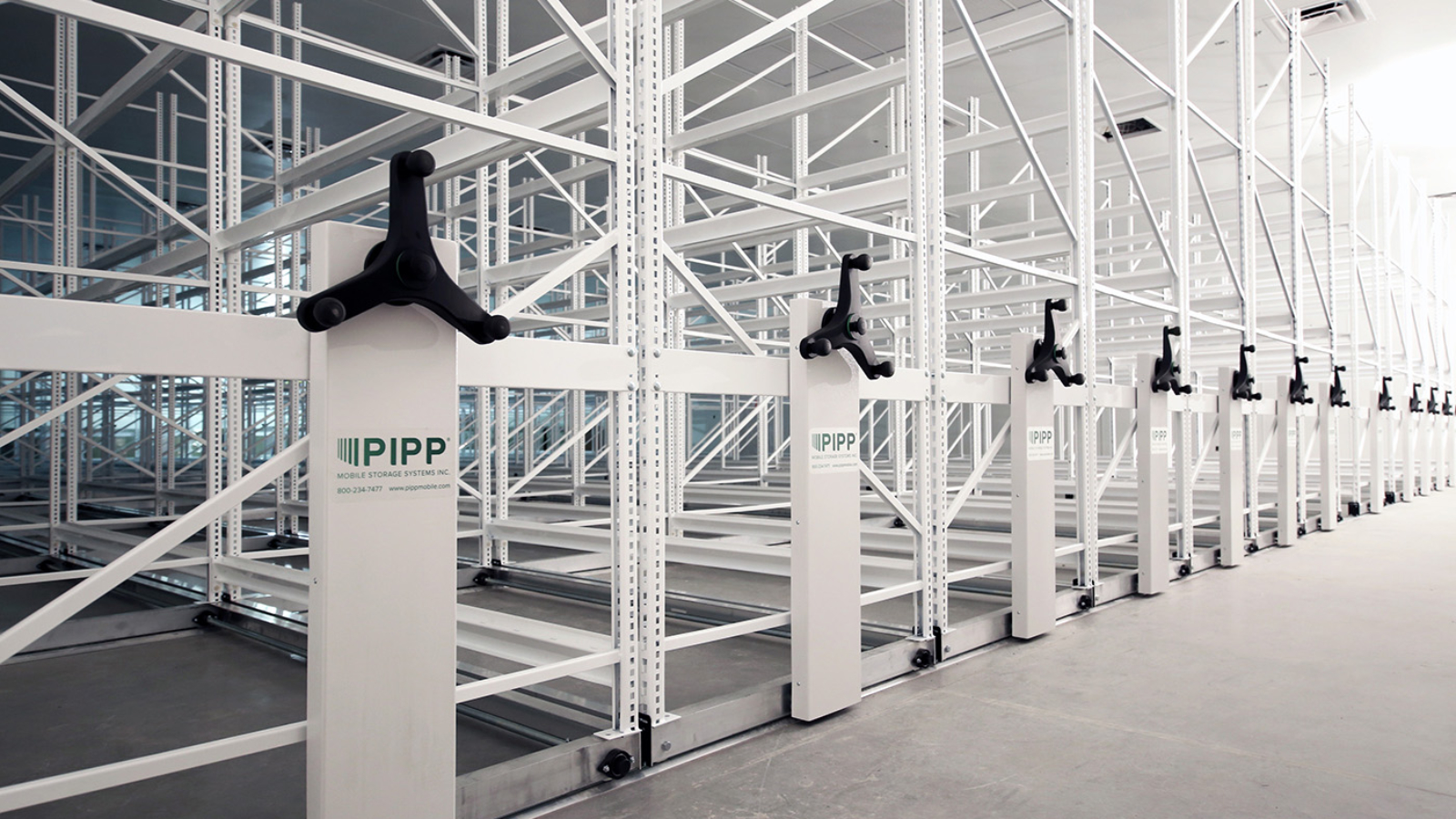
Rent is on the rise in the cannabis space.  Cultivators across the country are finding that the availability of properties to lease, especially warehouse space, have come into short supply in recent years.  Furthermore, property owners are more reluctant to rent to cannabis tenants, due to the compounded risks and responsibilities they take on when doing so. The general rule-of-thumb for cannabis tenants has become paying 2-3 times the amount of rent that a “traditional” tenant would.  Lynwood, a city in Los Angeles County, is a perfect example of this hike.  In comparison to other cities in Los Angeles County, Lynwood’s cannabis taxes are significantly lower, making it desirable for many cannabis cultivators.  Due to this high demand, industrial buildings which were renting for $107-$120 per-square-foot in 2016 were going for over $300 for the same space in 2018. Cultivators implementing a Pipp Horticulture mobile or vertical cultivation system have the upper hand when taking on a commercial lease.  Because vertical racking systems can maximize space throughout the operation, creative facility design can double or triple usable canopy space. Under these scenarios, businesses may forgo committing to a large warehouse space that they hope to grow into over time.  Installing vertical racking in a cultivation facility allows for the fixed cost of rent to be either smaller initially or absorbed quicker because of the advantage of producing more in the same existing space. Additionally, cultivators have been mobilizing vertical racks which eliminate permanent or static aisles, further optimizing and maximizing canopy space.  Mobile racks allow for the creation of “floating” aisles that can be deployed when needed, to ensure all areas of the cultivation are accessible for an efficient workflow.  Lastly, several operators have used vertical applications to allow the ease of scaling up when needed, by installing the infrastructure and initial levels, then when ready to expand, they simply add additional grow trays from Greenhaus Industries. This strategy eliminates additional permitting and construction costs and delays.

State Obligations

Not only do state regulations dictate whether cultivators can operate indoors or outdoors, but some also impose a cap on the square footage a cultivator can allocate for vegetative and flower space. In recent years, cultivators have begun facing the burden of a “canopy tax,” imposed by cities and governments to increase their budgets from the cannabis industry.  The tax, based on cultivation square footage, can be as much as several dollars a square foot. For those working under these mandates, implementing a vertical application is the way to maximize that allotted space and remain competitive. In some states and municipalities, grow restrictions and taxes are based on square footage vs. canopy. In these cases, a vertical cultivation system can be utilized to increase productivity or reduce COGS. For those operating in states with plant count limitations, vertical racking is also beneficial.  Not only does it maximize space, but it allows for ease to scale up.  Some states, such as New Mexico, allow for cultivators to apply to increase their plant limit, as market demands.  When implementing a vertical cultivation system, the ability to increase production is already in place and allows operators to do so with great ease and efficiency.

Lowering Energy Capacity and Needs

In cannabis cultivation, the cost of energy is second only to labor.  Not only is the ongoing cost of energy burdensome, but so are the initial expenditures.  The capital expenditure for a cultivator to install lighting and HVAC can eat up a large part of the budget, and if calculated or installed incorrectly, can be even more costly and time-consuming for the cultivator. In addition to the cost of energy is the looming environmental footprint caused by the vast amount of energy required by a cultivation facility.  Intensive energy loads put a strain on local communities, and some states have gone as far as imposing caps on energy consumption.  Some cities have begun offering incentive programs for energy efficient upgrades for indoor agriculture as well. Vertical racking systems paired with LEDs (to be explored in Part II of this series), can reduce the need for, and impact of, energy consumption by cultivators. Additionally, LEDs require significantly fewer kilowatts than standard high-pressure sodium (HPS) lighting does.  Not only are kilowatt-hours used with the implementation of LEDs, but LEDs are also designed to emit less heat.  Less heat means less heating, ventilation, and cooling (HVAC). If implementing vertical racking during the build-out phase of a cultivation facility, HVAC costs (per sq. ft of canopy) could be lower than if implementing a horizontal grow.  Beyond the initial capital expenditure of installing an HVAC system, is the reduced monthly energy cost to run it.  For those considering converting their horizontal grow space into a vertical one, amortizing costs over greater canopy space can significantly reduce COGS. Mobile racking is “green” by design in various ways from utilizing recycled materials to allowing operators to gain efficiency and optimize capacity in a fixed footprint. Multi-level strategy increases the potential viability of space that may not be suited or big enough to support single-level operations and allows operators to stay in spaces that typically are outgrown without space optimization. A smaller building also means fewer construction materials, reducing energy consumption and costs.

Increasing Yield, Increasing Bottom Line

Utilizing a Pipp Horticulture mobile multi-level cultivation system throughout the facility offers an array of benefits and options for cannabis cultivators.  Lower initial capital expenditures on factors such as rent, combined with lower operational costs, are not the only desirable outcomes.  Maximizing canopy space and the ability and ease to scale-up as needed give cultivators new-found security and growth potential in their operation and the industry as a whole.  Implementing a vertical application allows cultivators to remain competitive in an industry where increasing efficiencies and reducing expenditures is the way to win.

Get a FREE Grow Consultation

Our Tallest Cannabis Grow Rack Yet

Our Tallest Cannabis Grow Rack Yet

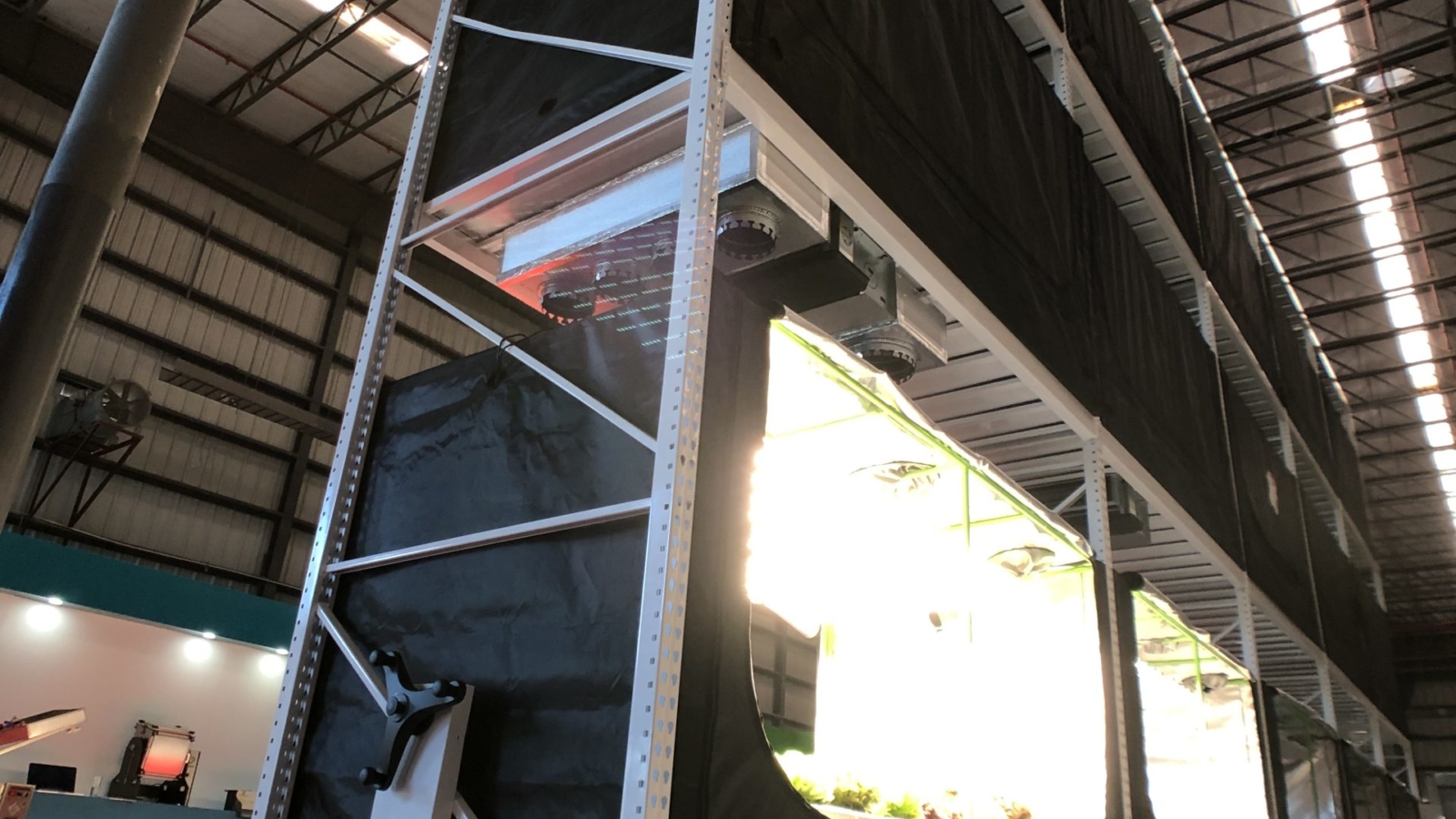
Take a look at our tallest cannabis grow rack, the Panama Pallet Rack, standing at an impressive 26’ Tall x 50’ Long! At Pipp Horticulture, we are constantly pushing ourselves to engineer the best products at the highest quality to provide our customers the most durable cultivation systems in the vertical farming industry. Pretty amazing isn’t it?


Impressed with our tallest cannabis grow rack? Have you seen pictures from our new showroom yet? Check it out!

https://pipphorticulture.com/our-new-showroom-is-under-construction/

Our Tallest Cannabis Grow Rack Yet

Get a FREE Grow Consultation

Multi-Tier Grow Racks by Pipp Horticulture

“The Buckeye Harvest” – Cannabis Business Times, January 2019 Issue

Take a look at part 2 of an article series that the Cannabis Business Times published about one of our satisfied customers.

The Buckeye Harvest

Part II of this three-part deep-dive series into Ohio’s Buckeye Relief tracks the company’s first crop and harvest as team members share tips and lessons learned.

Read the article here

Get a FREE Grow Consultation

RedBud

Green Industry Construction Services & Pipp Horticulture Create Over 4,224 SQ FT of Canopy Space

Redbud Roots Buchanan, MI – With help from Green Industry Construction Services (GICS), Pipp Horticulture created 4,224 SQ FT of canopy space at the Redbud Roots facility in Buchanan, MI! That is roughly a 40% gain!

“A huge factor in this project’s success and on-time completion was the Green Industry Construction Services team. Everyone was very professional and pleasant to work with throughout every phase of this project.” Brett Terpstra – National Sales Manager, Pipp Horticulture www.redbudroots.com www.greenindustryservices.com
 

Get a FREE Grow Consultation