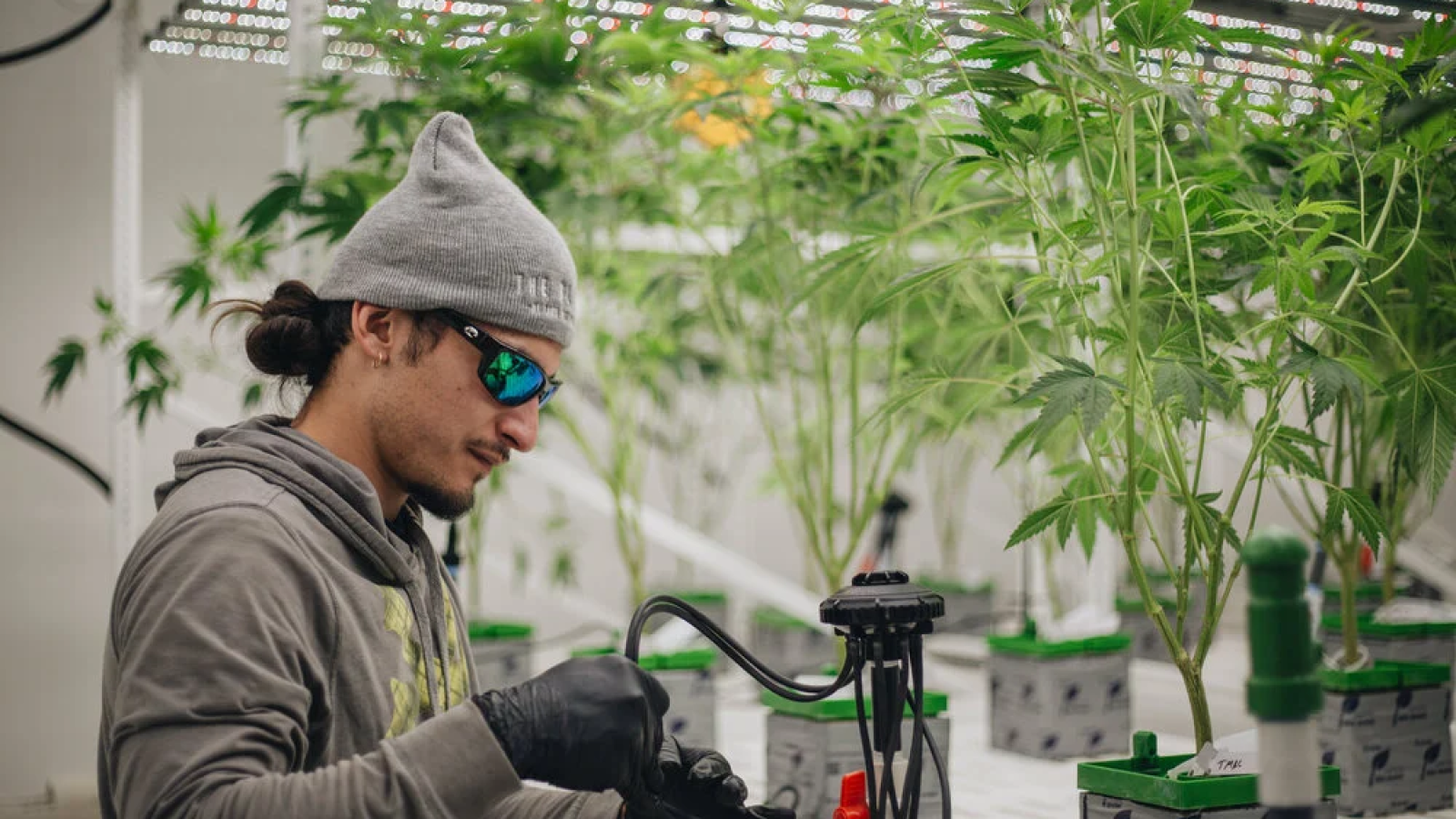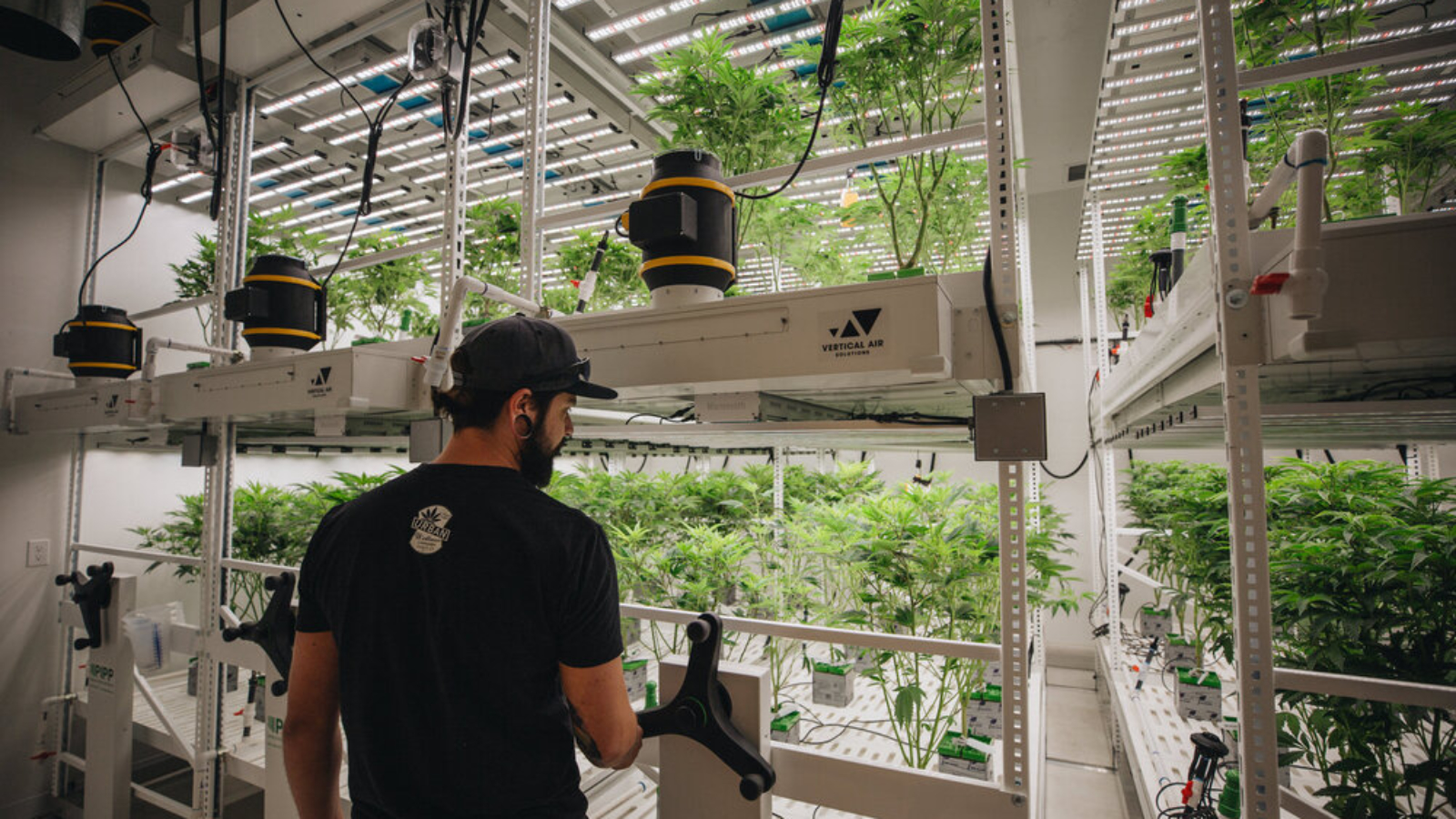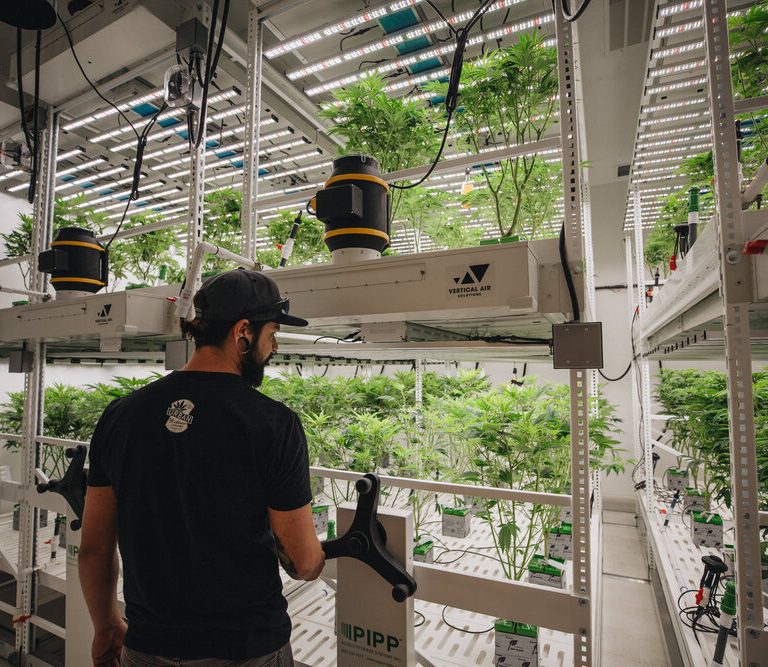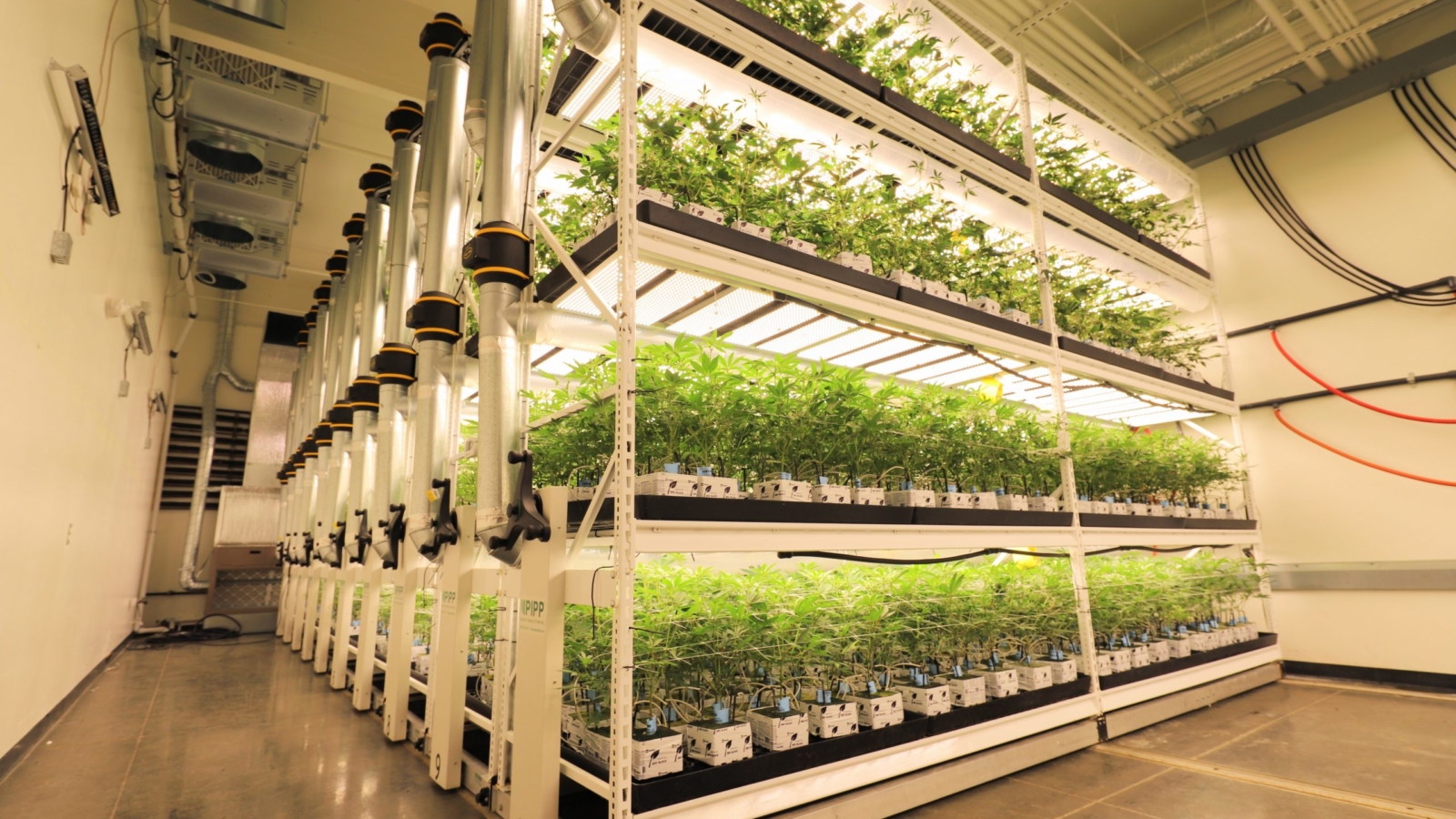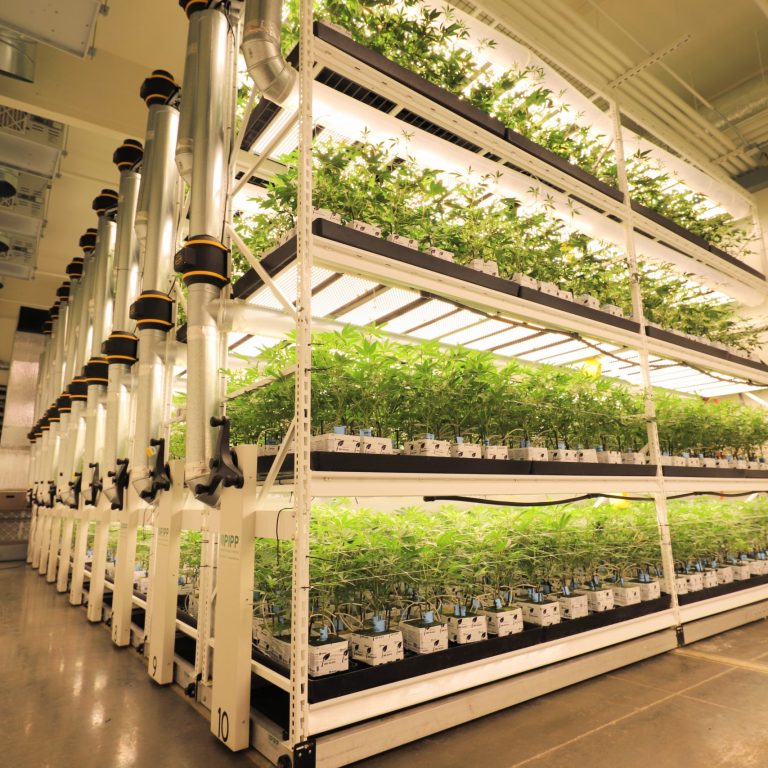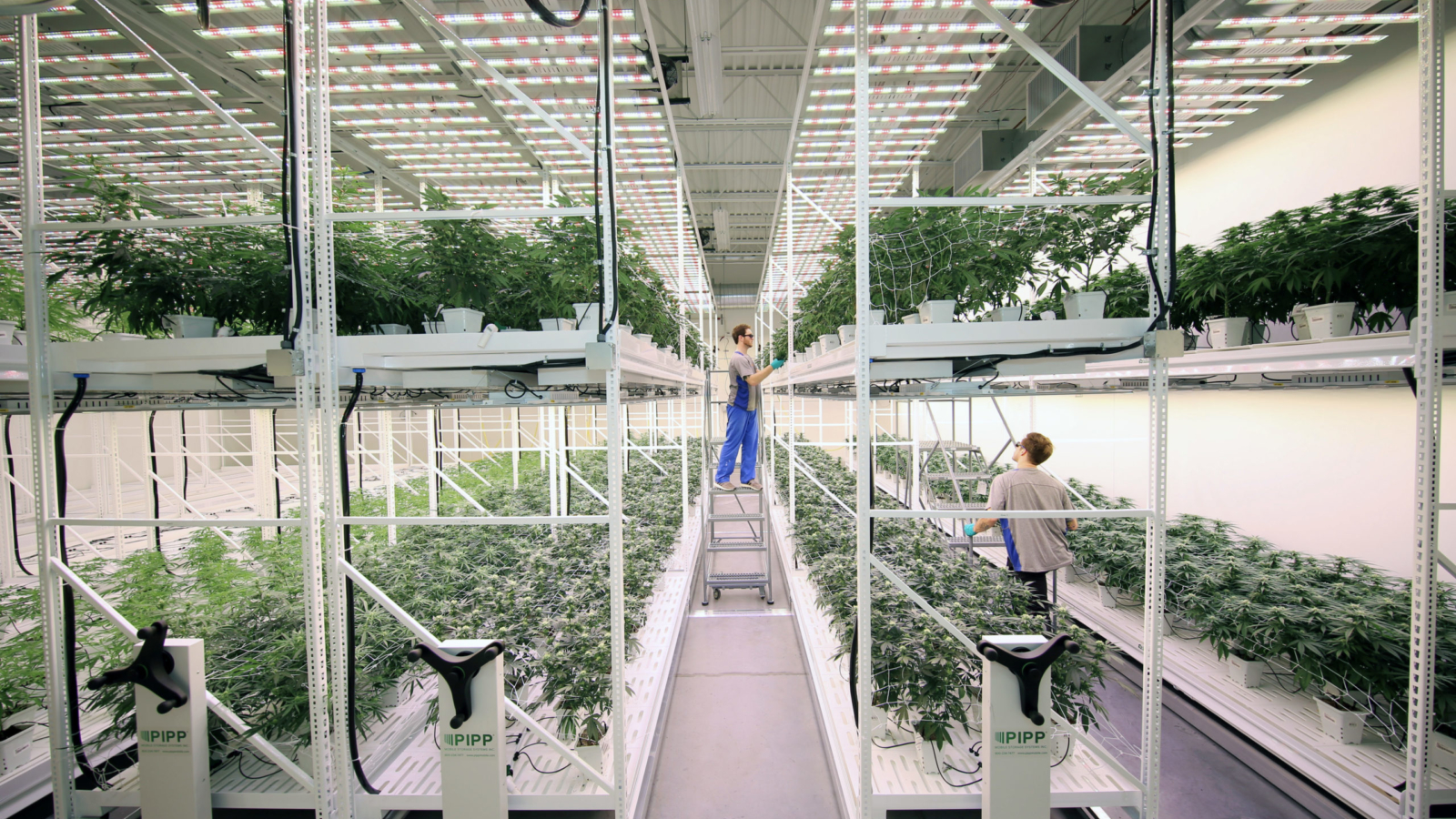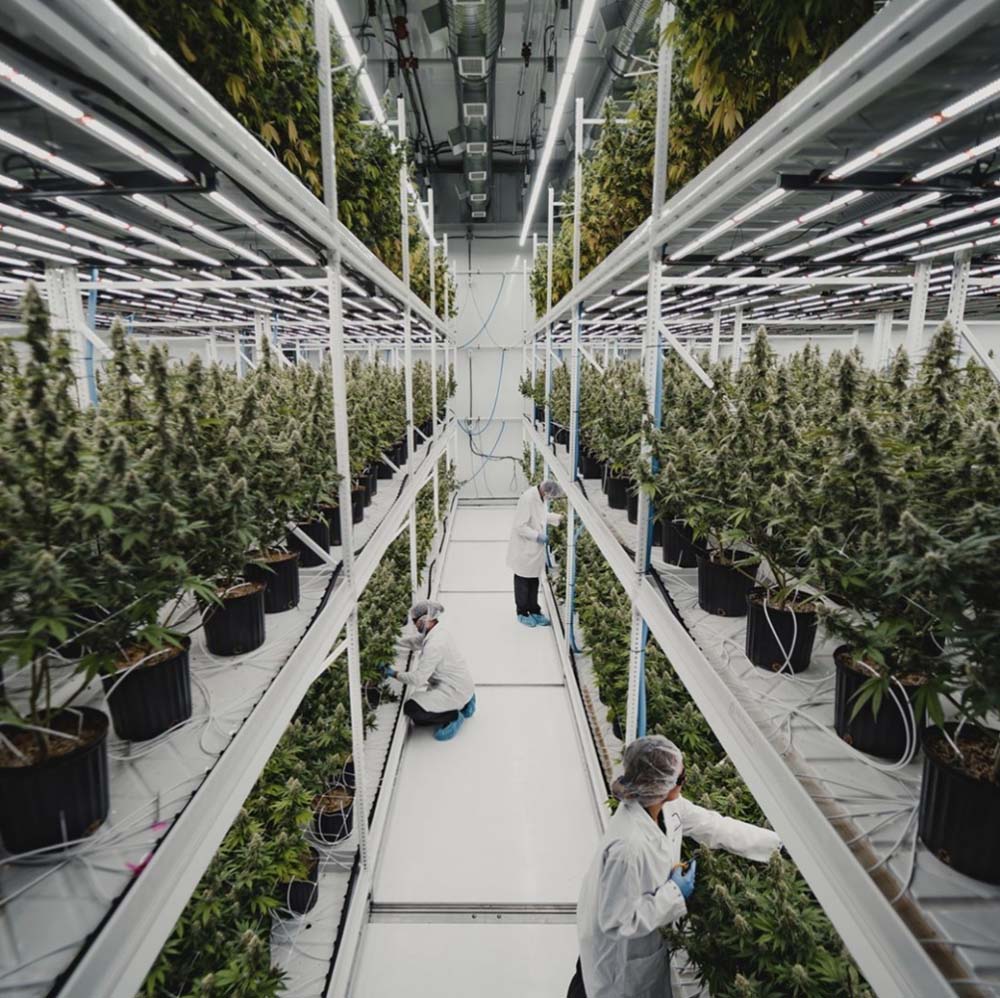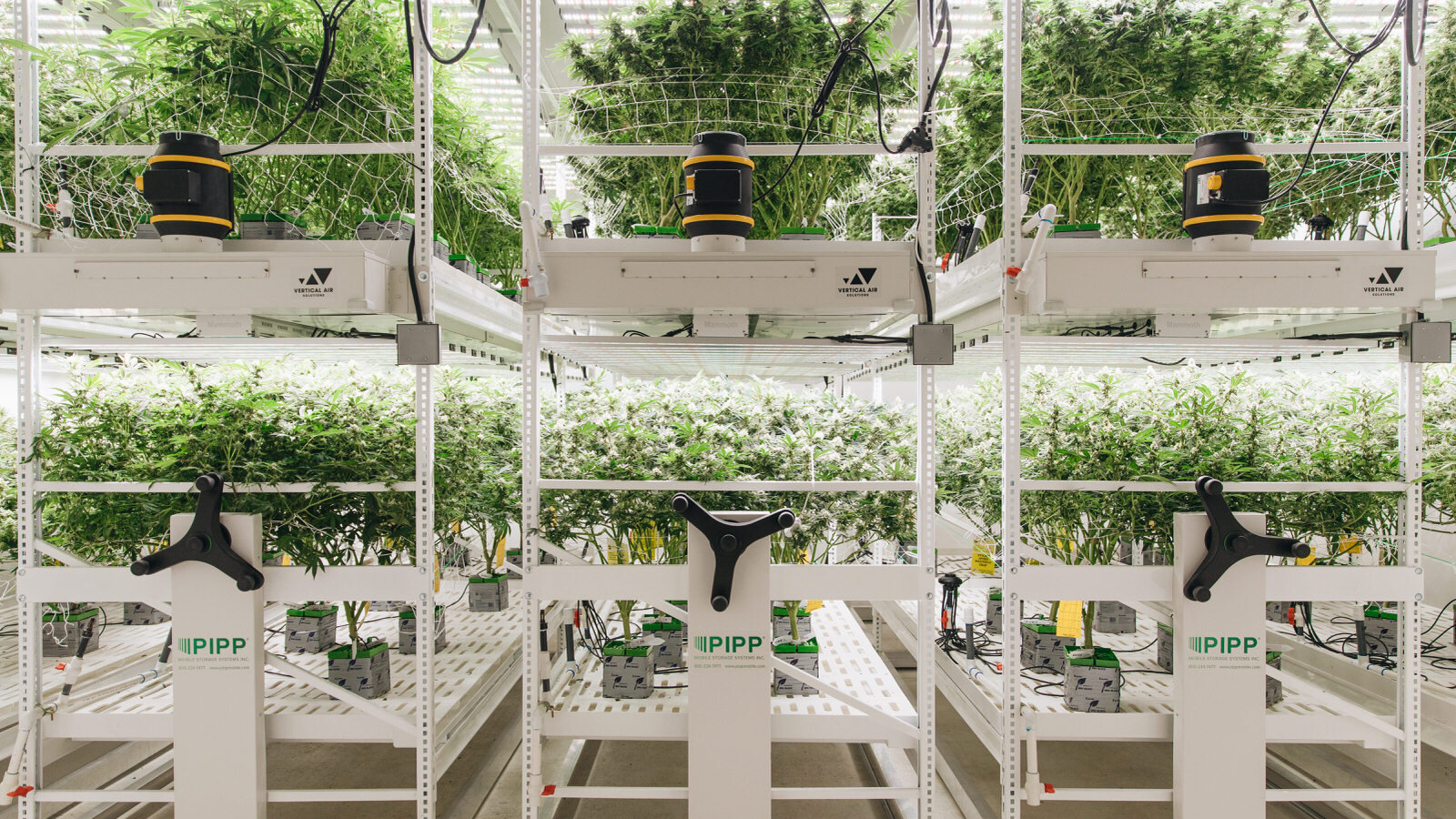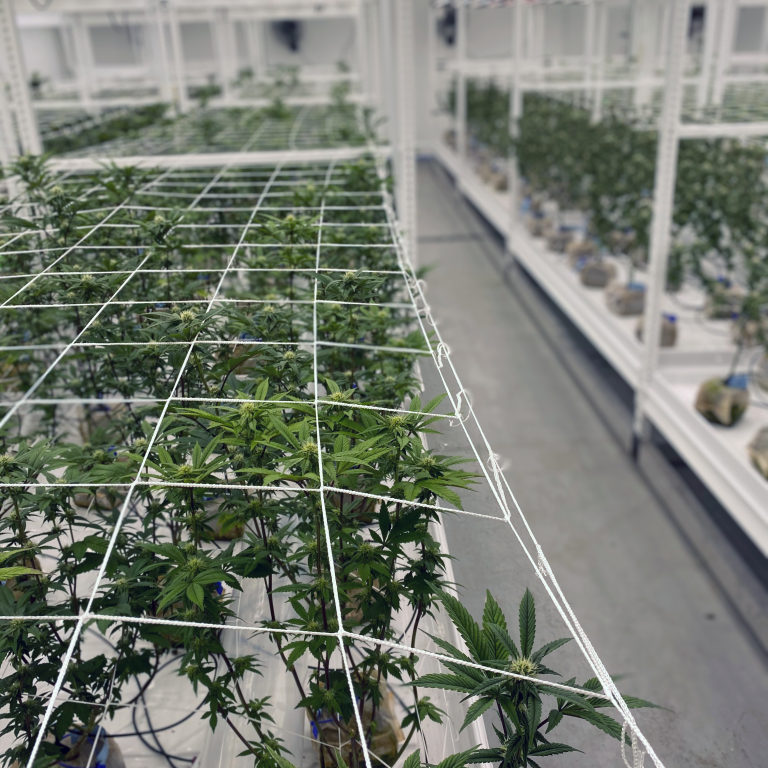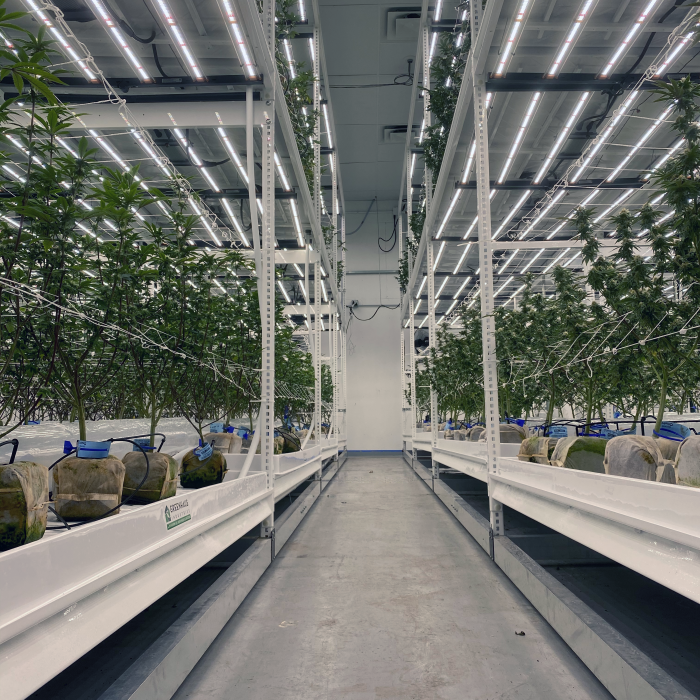
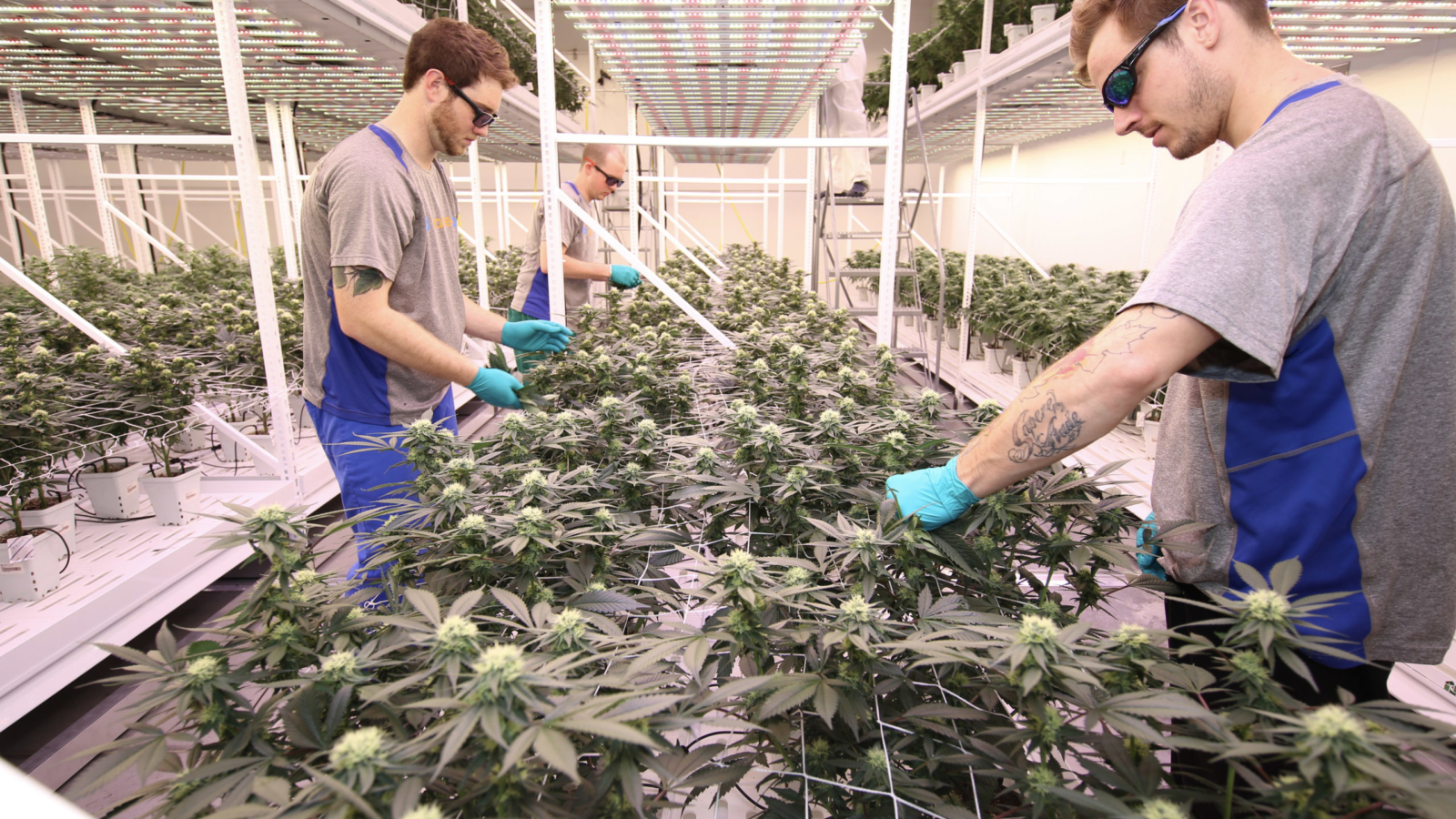
Cannabis Grow Facility Using Multi-Tier Grow Racks with Airflow Solutions by Vertical Air Solutions

Maximize Your Cannabis Microbusiness License with Vertical Cultivation

Cannabis Grow Facility Using Multi-Tier Grow Racks with Airflow Solutions by Vertical Air Solutions

The adult-use cannabis market is on the rise on the east coast of the United States, opening up new opportunities for those interested in opening a marijuana micro business. March of 2021 saw the joining of New York into the recreational use cannabis market alongside New Jersey, Maine, Massachusetts, Vermont, Virginia, and Washington D.C. Now, the industry is expected to see a massive revenue increase of over $7 billion dollars annually and cultivators across the coast are scrambling to get licensing in order to open their own cannabis cultivation facilities.

Some states have created a new class of licenses that are geared to smaller operations, creating opportunities for entrepreneurs from all walks of life, with fewer licensing fees and barriers to entry. Micro-licensing (or a cannabis micro business license) often allows for vertical integrations and sets limits for operators to grow up to a specific number of plants and process these plants into a variety of extracts and edibles. The number of allotted plants differs from state to state; but this license type often allows licensees to sell their cannabis product directly to consumers, creating a win for all involved.

Below is a closer look into the east coast’s micro-licensing policies and how they directly affect and promote vertical farming and grow space optimization.

Micro business License Regulations & Requirements

While micro-licensing may seem like an easy way to start a cannabis business, it is still an expensive and lengthy process that includes ownership, size, and operational limits not imposed on other license types. In order to obtain a micro license for cannabis business production, there are many rules and regulations that must be approved by the state and municipal licensing committee.

Operating Space

Operating space is one of the most important factors in obtaining a micro business license. In New Jersey, proposed regulations limit the business operating space to no more than 2,500 square feet (and, in the case of cultivators, can have a height of no more than 24 feet). Exact facility regulations vary from state to state, but operational spaces are often also capped at a certain number of employees.

Production Volume

Aside from operating space, there are also many limitations on the monthly production volume for a cannabis micro business. Some states create limits of 1,000 cannabis plants per month or limits of 1,000 pounds of usable cannabis per month, and typically include infused products and concentrates. . All these numbers differ depending on location, so it is important to check with the local licensing committee to get the most up to date and accurate numbers.

The key to operating a marijuana microbusiness license is to create an efficient facility design and production plant that accounts for restrictions and limitations imposed while taking advantage of the allowances provided for micro business license operators. Staying compliant with production volume and operational restrictions is essential. Producing too much or violating space restraints can cause a fine or even worse, forfeiture of your license, thus inhibiting business growth and opportunities.

Availability of Licenses

While recreational use may be legal in the state, municipalities still have the ability to opt-out of allowing recreational sales. Once a state’s municipality has opted in, there will be a set number of annual micro business licenses available. Due to limited license availability, there is a high level of competition amongst cannabis business owners for the first spot of approval. There will be information at local municipality offices regarding permitted cannabis zoning districts, availability of licenses, and other items.

Vertical Farming Integration

As discussed before, cannabis micro business licensees are faced with many space and production volume requirements. More often than not, buildings in properly zoned areas are also in high demand and quickly sell and lease, creating a shortage of available properties. This lack of cultivation and operating space makes every square foot of the business critical.

Many potential cultivators will be forced to take what they can get and make the best of what they have. This is where vertical farming plays a vital role in the success of the micro business owner.

Maximize Fixed Spaces

Vertical farming can maximize capacity within a fixed space, making it ideal for cannabis micro-businesses to achieve production goals while staying within space constraints. Mobile vertical racking systems can accomplish this by increasing overall canopy space by the elimination of stationery aisles, by creating a more dynamic grow space.

Increase Efficiency

Keeping operational costs to a minimum is essential when starting a micro cannabis business. There are many elements in cannabis grow that contribute to overarching facility costs and return on investment. Making the switch to vertical farming will maximize the efficiency of utilities, LED lighting, irrigation, and HVAC systems. When COGS systems are well structured, increases in revenue follow shortly after. 

Essential Vertical Farming Equipment

Working with many license restraints is one of the biggest hurdles a cannabis micro business owner may face. Pipp Horticulture has developed a variety of products to help operators and micro business owners throughout the entire seed-to-sale process so they can optimize their space.

#1: Propagation

Propagation is a delicate time in a plant’s life. It’s imperative to ensure the space is sterile with consistent temperature and humidity settings ideal for early-stage development. This is why carts and shelving units need to be mobile allowing the plants to breathe and prosper in specific temperature settings. Pipp Horticulture’s space-saving products optimize the propagation process giving plants the proper environment for early development. These essential items are:

  • Cloning Carts
  • Wire Carts
  • Stationary Shelving

 #2: Vegetative

During this period of rapid growth, plants may need to be transferred to larger pots or soilless media. This ensures an ideal grow environment for roots and foliage to develop rapidly. Using a stagnant racking system can generate a disadvantage by creating difficult transfers that often require more manpower in the grow facility. Pipp Horticulture has a variety of tools that support the vegetative process and remove the difficulties of transfers. These products include:

  • Mobile Vertical Grow Racks
  • ELEVATE Platform System
  • Grow Trays
  • Vertical Air Solutions

#3: Flowering

Flowering or Bloom is the final stage of growth for the cannabis plant. Establishing a sterile, well-vented, and controlled environment will pay big dividends. Similar to the vegetative stage, these Pipp Horticulture products also aid the flowering process

  • Mobile Vertical Grow Racks
  • ELEVATE Platform System
  • Grow Trays
  • Vertical Air Solutions

#4: Harvesting

It’s critical to create an efficient system within the regulatory framework that conserves labor while minimizing touches and plant damage. This is where a facility needs easy and portable racking systems to save time and money on manpower. Pipp Horticulture can optimize this process through these key products:

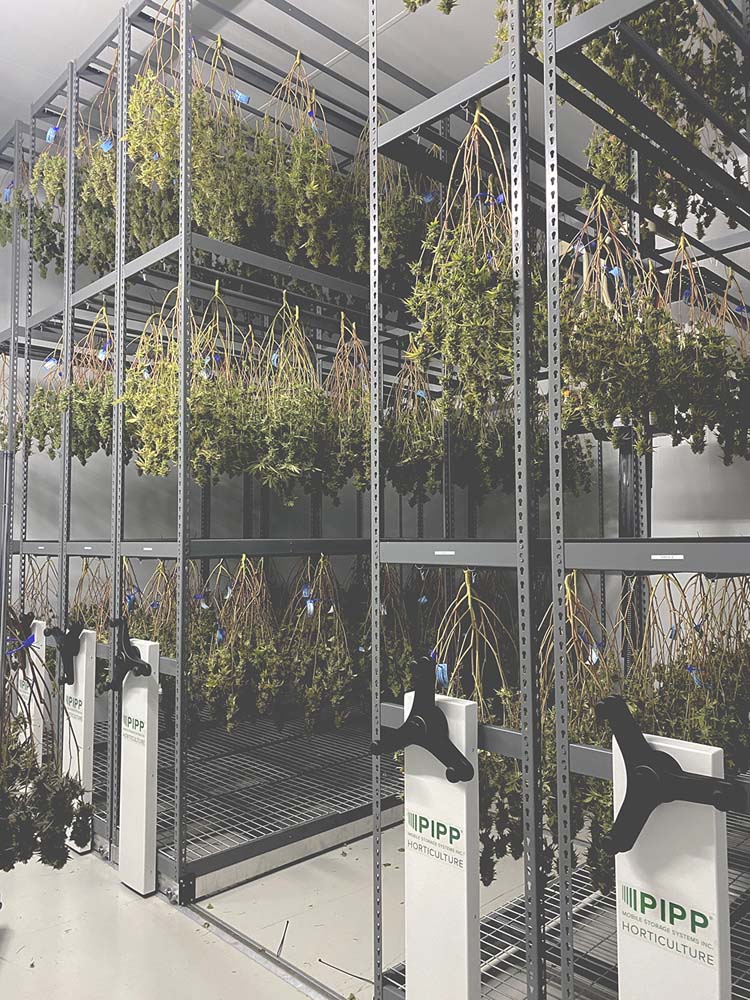
  • Drying Cart
  • Nesting Dry Rack
  • Wire Grid Trays

FIND PIPP’S HARVEST EQUIPMENT ESSENTIALS BELOW:

#5: Drying

Creating a sound thought-out post-harvest strategy is as important as the efforts spent throughout cultivation. Pipp Horticulture’s post-harvest tools are built to equip cannabis micro business owners and improve the drying process. These tools include:

  • Dry/Cure Mobile Storage System
  • Drying Cart
  • Nesting Dry Rack
  • Wire Grid Trays

#6: Cure/Storage

Depending on the scale of a facility, this phase can account for a great deal of space. A grow facility needs drying racks that deliver ease of use, safety, and long life. Pipp Horticulture’s has a line of products built to support this phase. These products include:

  • Mobile Storage System
  • Secured Storage
  • Lockable Mobile Storage System
  • Wire Grid Security Cage 

#7: Vault

It is vital that these spaces are secure and provide access control and tracking. This will ensure only the appropriate credentialed staff may enter. Grow facilities need effective locks and lockers in order to keep cannabis goods safe.  Pipp Horticulture understands the importance of cannabis security and created a variety of solutions for cannabis micro business owners. These solutions include:

  • Mobile Storage System
  • Lockable Mobile Storage System
  • Secured Storage
  • Wire Grid Security Cage
  • Lockers

#8: Distribution

During this phase, it is important to keep the product safe and isolated while also creating accessibility for testing. Pipp Horticulture provides space-saving products that ensure easy access without affecting the integrity of the plant. These products include:

  • Mobile Storage System
  • Secured Storage
  • Lockable Mobile Storage System
  • Wire Grid Security Cage

#9: Retail/Dispensary

Efficient storage in the back of the house provides more space for sales generation and the ability to carry a broader range of products. Training staff to properly retrieve and lock up cannabis is essential. Pipp Horticulture’s retail and dispensary products are built to serve the cannabis business owner. These back-of-house products are:

  • Mobile Storage System
  • Lockable Mobile Storage System
  • Secured Storage
  • Wire Grid Security Cage
  • Lockers

If proper licensing protocols are followed, owning a micro business can be a very fruitful and effective way to grow a cannabis brand. When starting a licensed grow, optimizing space is critical to getting the most out of every square foot of the facility. Pipp Horticulture’s vertical grow racks help utilize unused cubic feet by stacking multiple layers of cannabis and other high-value plants.

Get a FREE Grow Consultation

Cannabis Grow Facility Using Multi-Tier Grow Racks with Airflow Solutions by Vertical Air Solutions

6 Things to Consider When Selecting a Vertical Racking Provider

Cannabis Grow Facility Using Multi-Tier Grow Racks with Airflow Solutions by Vertical Air Solutions

The vertical farming industry is growing every day. Grand View Research estimates that the global vertical farming product market will grow by 25.7% by 2027. With growers in food innovation, cannabis, and specialty crops, essential tools are required for a successful growth system. Of these tools, mobile vertical racks are critical. When choosing a mobile vertical rack provider, there are several things that need to be considered when researching solutions.

Specifically for cannabis cultivation, mobile vertical racks can make a difference in yields and annual revenue. Reviews and word of mouth can help provide guidance when choosing a vertical rack provider, but the research should not stop there. Here are 6 things that need to be considered when evaluating the companies that manufacture, design, sell, and install these facility-transforming systems.

#1. Dedication to The Horticulture Market / Education

Are they committed? This is a question that needs to be considered immediately. A large investment of time and money is made when building and designing a facility plan and all the elements that make up a system. Mobile vertical rack system technology is newer to the industry and is growing rapidly. Because of this growth, there are companies that have cut corners in order to get to the market faster. This can result in mobile vertical racks that are untested and undeveloped, all to capitalize on this dynamic market at your expense.

A provider needs to show commitment to the industry and it starts with providing value. This means producing and delivering quality products, service, installation, R&D, and innovation. To achieve the most competitive price points requires years of operational systems refinement and product development. There are few companies that will meet this requirement, and if they do, it’s time to look deeper at their commitment to the customer. Warranties, customer service, engagement with growers on a regular basis?

A mobile vertical rack supplier needs to align themselves with their customer and the needs of the ever-changing indoor farming industry.  If your supplier lacks a clear presentation of their dedicated (horticulture) market knowledge base showcasing their work product, satisfied customers, product developments and industry-specific content, it may be a sign that they are not advancing in the space and are not committed long-term.  Even more specifically, does your mobile vertical grow racking systems partner simply add “Horticulture” or “Vertical Grow Racks” to their list of many other markets served, or have they developed a dedicated team that is focused on this application exclusively, properly branded, and thoroughly presented. Any viable option in this space, at this time, should be able to point to numerous installations rather than repeatedly showcasing a single project.

#2. Innovation

Closely linked to no. 1 above, are they innovating?  Are they leading the charge to provide growers with tools that will enhance their yields? Innovation is a word that can easily be thrown around. Everyone thinks they are innovating, but what is the true definition of innovate? The definition is: to introduce something new; make changes in anything established. This is especially true when introducing new methods, ideas, or products. As mentioned above, there are more and more players coming to the table with vertical racks but what sets them apart? PIPP Horticulture is making an effort to continuously innovate.

For example, in February PIPP announced The ELEVATE™ Platform System. Outside of its robust, lightweight, and portable deck, it was designed with the customer in mind. Innovation can come with a lot of bells and whistles, but ultimately, innovation is about the customer.  When considering a vertical rack provider, look beyond the flashy and make sure that innovation is centered on the customer experience.

#3. Lead Times & Made in the USA!

Facility developers and operators are great at asking questions about price upfront and early, but what about lead times? This can be equally or even more critical to the successful outcome of a cultivation project launch. In order to avoid 2, 3, or 4 months delays, lead time needs to be considered. There are many phases of a project that need to be taken into account when understanding lead times. The first phase is the time it takes to receive the product for the build. This is a key part of the timeline when working towards the start of an operation, but what about the post-build (operational phase)? If product lead times are beyond industry standards, replacement parts, expansion orders and general support may be challenging. A trustworthy provider will design, manufacturer, ship, and install a system in a reasonable amount of time. Although current lead times have been extended for all manufacturers, Pipp Horticulture’s products and materials are USA made & sourced, therefore the transportation challenges with importing containers affecting many other manufacturers are a non-issue for our clients.

For example, Pipp Horticulture’s High-Density Mobile Vertical Racking Systems and Solutions are made in the USA and typically have a lead-time of 3 to 5 weeks. (at the moment, lead-times are extended due to economic variables in the supply chain). Based on the industry, this is considered a reasonable lead time. If a provider is making estimates that are longer, it’s worth looking at other options. It is important to also note that as a grower, after set-up or the initial installation, modifications are possible. As these occur, working with a provider that is located in the USA and has an established US-based supply chain (sourcing materials domestically) ensures quick responses resulting in quick solutions.

#4. Integrated Tray System

There are many elements that make up a fully operating vertical rack system. Items to consider vertical grow racks,  carriage track systems and grow tray systems. For many providers, these items are separately sourced which can add a layer of complexity when developing a functioning system. There are providers that are leading the way in this space, and developing integrated tray offerings. With a tray system specifically designed to work in unison with the racks, it can enhance performance, reduce cost, and enable a more seamless purchasing, fulfillment and operational experience.

An integrated tray system does not require separated components to support the trays.  The supports are part of the racks and help to optimize the integration of other critical equipment (lighting, airflow, drainage…).  These components are worth the research and should be evaluated when choosing a provider.

#5. The Drive System

The days of rolling casters are long gone and technology has evolved.  When selecting a new system, it’s important to ask the provider whether a ‘continuous drive shaft’ is a standard feature in their mobile rack systems.  For exceptional quality and a highly functional mobile racking system, an all-wheel-drive carriage, aka continuous drive shaft, is the optimal choice.

In a system that does not have a continuous drive shaft, one end of the carriage moves before the other. This continuous friction between the wheel and the rail can destroy the equipment over time, impeding movement and ultimately leading to failure.  If this is not taken into consideration the carriage movement will be difficult at best risking the efficiency of an operation.

#6. Sales, Installation & Service

There is a popular saying in the industry, “the quality of the installation & support is just as important as the quality of the product!” And it’s popular because it is true.

Start the consideration process early to allow time for research and referrals. Reach out to other like-minded cultivation companies and ask questions. Gathering information will be the greatest asset in the consideration process. Here is a series of questions that can help:

  • What was the installation like?
  • Do they provide on-demand service nationally?
  • What is the structure of the provider’s ongoing support?
  • Is their installation department managed by a dedicated corporate team?
  • What is their level of experience with mobile vertical racking installation specifically?
  • How many systems have they installed?

It’s important to know that support is available and that quality is apparent. But most of all, the customer has to be the provider’s primary focus. PIPP Horticulture is a dedicated mobile vertical rack provider with a trained and certified staff located throughout the US and Canada.  With more than 40 years of experience in the mobile racking industry, PIPP Horticulture is not just a provider, but a partner. Our certified installation team and cultivation experts are driven to provide industry leaders with custom solutions that help the industry grow. Learn more about PIPP installations and our dedication to the industry by downloading one of our latest case studies: https://pipphorticulture.com/resources/

In Conclusion

Now that you’ve made it this far, you’re probably getting a good idea of which option (drying racks or carts) might work best for your grow space. For assistance in selecting the best drying solution for your operation, download our latest e-book or contact the team at PIPP Horticulture today!

Get a FREE Grow Consultation

Cannabis Flower Room Using Mobile Vertical Grow Racks

7 Myths About Vertical Farming: Uncovering the Facts

Vertical farming has changed how we think about indoor cannabis cultivation. A multi-tiered grow room has many advantages. However, this method draws skeptics who are wary of making the switch. 

Below we’ll separate vertical farming facts from misconceptions and explore ways to rectify common challenges in the field. 

Myth #1: Vertical Farming Is Too Complex

One of the biggest myths about vertical farming is that accessing second, third, or even fourth tiers of the canopy is quite difficult. The truth is that employees can easily reach plants with the right equipment. 

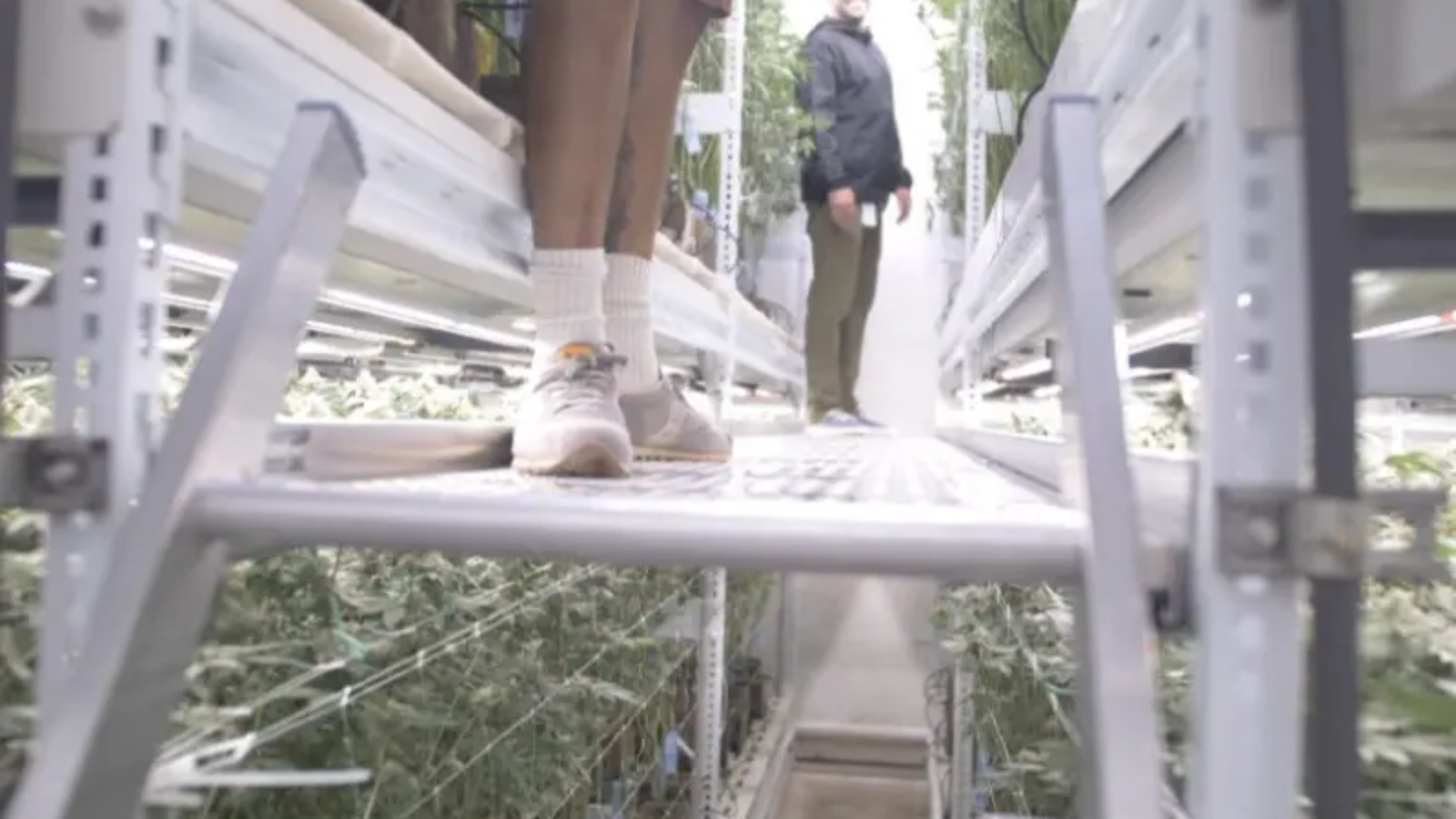
Operating a scissor lift or rolling ladder can be hazardous, tiring, and time-consuming. For multiple people to service higher levels at once, cultivators need a safe solution. Pipp Horticulture was driven to solve this concern and created our patented ELEVATE® Platform System.

ELEVATE®is a modular walking and working aisle platform that allows cultivators to effectively monitor and tend to upper-level plants. This system is lightweight, offers adjustable mourning options, and is easily managed by one person. So, while indoor vertical farming may appear cumbersome at first glance, it is actually more efficient than traditional cultivation methods in practice. 

Myth #2: Vertical Farming Is Too Expensive

Building a multi-tier facility will have a higher initial cost than a single-tier build. However, the cost per canopy square foot is lower than you may expect. While construction, electrical, plumbing, and HVACD expenses increase as you build upward, the sum of these projects is not twice that of a single-tier build—even though you gain twice the canopy. Thus the cost per canopy square foot to construct and facility is lowest in a multitier design.

Additionally, multi-tier facilities offer the lowest cost of production per pound and the most efficient use of space. This enables cultivation businesses to achieve a faster return on investment and increase their valuation per square foot.

Myth #3: Vertical Farming Doesn’t Allow for Proper Airflow

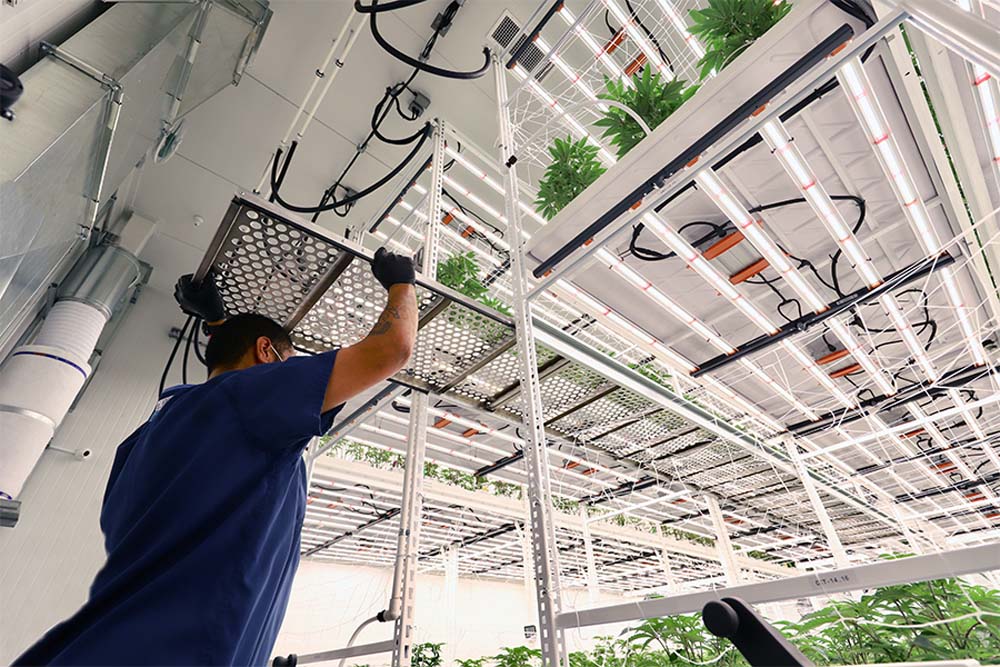
Another myth about vertical farming is that effectively controlling airflow is impossible. The additional canopy brings added HVACD needs—delivering CO2-rich and conditioned air is paramount. Choosing appropriate locations for supply and return air dampers, creating enough aisle and tier space, and providing supplemental fan placement/performance can be challenging to synchronize.

However, equipment like Vertical Air Solutions® patented In-Rack Airflow Systems combines EC fans, a proprietary transition, and purpose-built ducting. VAS 2.0 delivers the highest air velocity and the most control in the industry, empowering cultivators to use airflow to optimize their systems and plants.

Myth #4: Vertical Farming Means Poor Drainage

Whether growing in a single or multi-tier system, drainage is key for healthy root zone management, dryback control, and ensuring plant vitality. Multi-tier facilities require proper drainage to prevent overflow and allow for proper water throughput, just like a single tier. The main difference is that in multitier, the drain is usually above your head, so you need to know it works. 

Pipp racks and tables are designed to provide a simple, reliable, and scalable solution. Some of these elements include a 3/4-inch slope that leads to one large drain opening per table, providing consistent and controllable water flow. Drains can be connected to flexible or rigid piping, leading to a french drain, sump pump, or other water treatment room. These innovations simplify maintenance and offer an excellent opportunity to test runoff and make fertigation adjustments if necessary.

Myth #5: Vertical Racks Are Difficult to Maneuver

Growers can easily fall for the myth that vertical farming systems are hard to navigate, but it is true that without proper mechanical solutions, serious muscle is required to position and lock rows correctly.

Pipp Horticulture’s Mobile Carriages solve these problems and keep labor to a minimum. Our systems are equipped with a mechanical assist, making them incredibly easy to move with one person, even with three or four tiers! There is no need to worry about operating an indoor vertical farm; we can make the switch seamless and frustration-free.

Myth #6: Vertical Farming Isn’t Profitable

Upfront investments and higher perceived operational costs are quickly offset by effective multi-tier designs, like smaller footprints and better room utilization metrics. This increase in production per square foot impacts top-line revenue and margins.

For example, let’s assume you have 300 f2 of canopy on a single tier but want to add a second tier to optimize the space.

What is the value of this additional canopy space?

Let’s assume you yield 65 g/f2 , harvest 5.5 times per year, and sell flower for $1,200 per pound. Now, calculate 300 f2 x 65 g / 454 (convert to lbs) x 5.5 runs a year. That equals 236 lbs x $1,200 provides a gain of $283,480 per room! With that math, the value of every single square foot is around $1,000. That is why every square foot counts in a cultivation facility, they add up quickly.

Many cannabis cultivators learned to grow commercially in simple single-tier, HID environments. Based on this foundation, the pressures of increased demand and the need for efficiency, new technology, and purpose-built solutions are fueling the transition to modern commercial multitier. LED-lit multitier gardens are more efficient, consistent, and more profitable than ever before.

Myth #7: Vertical Farming Does Not Produce High-Quality Flower

Phenotypic expression is 50% genetics and 50% environment. Getting the most from each cultivar takes an investment in mechanical solutions, time to refine your cultivation process, and a deep understanding of the capabilities and tolerances of your plants. At Pipp, we have seen incredible results from multiple facilities, not just in person but also on paper.

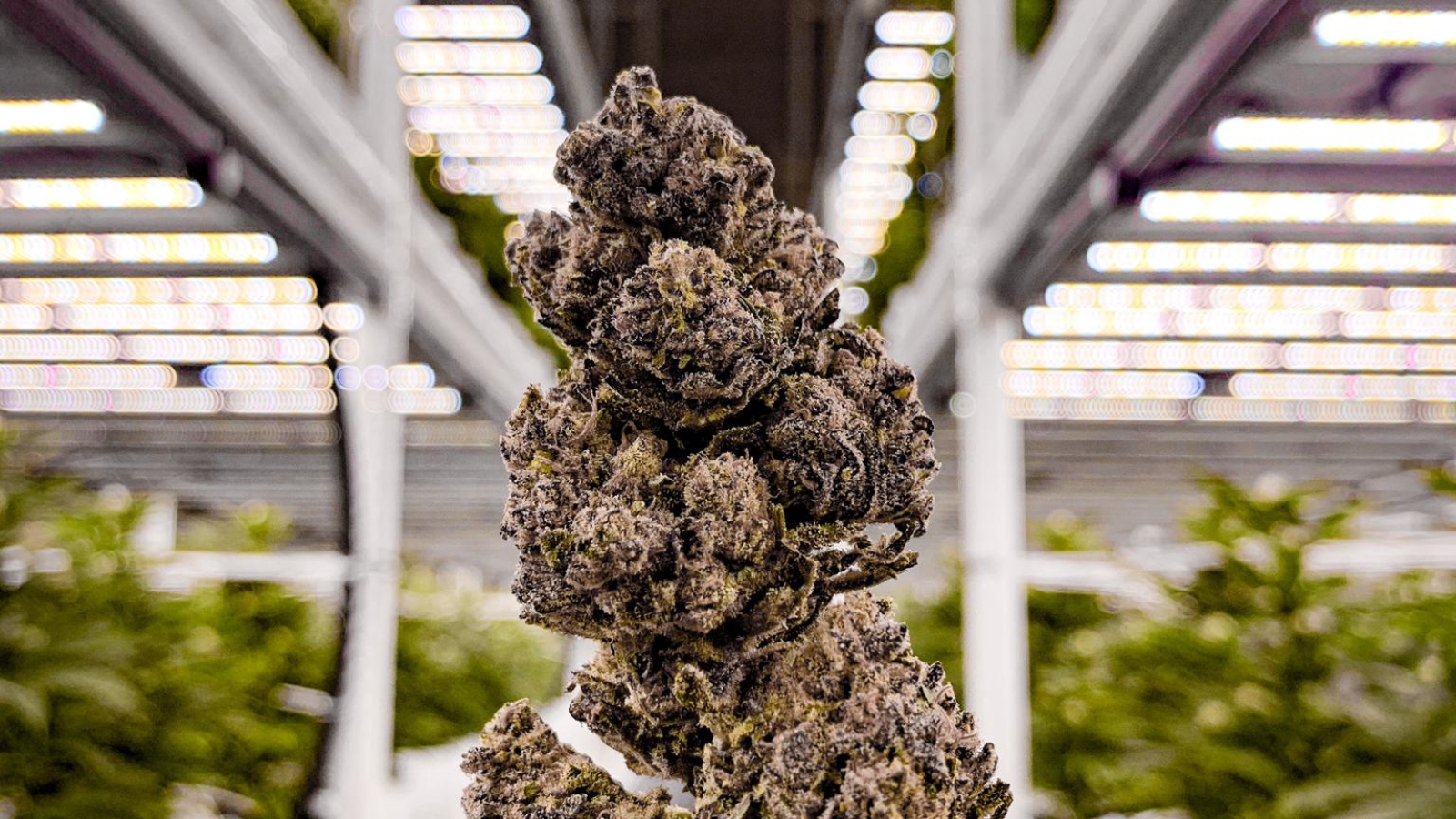
Some of the highest testing COAs for THC and terpenes come from indoor multitier farms, as do some of the highest prices per pound. Objectively, multitier farms produce fantastic cannabis but airflow and PPFD management can be limiting factors. Making sure you are selecting the best tier spacing for your genetics, lights, and cultivation style will help you produce top-quality cannabis on every tier. 

Making The Switch to Vertical Farming

In conclusion, many myths plague the vertical farming industry. Some cannabis cultivators are misled by these misconceptions, creating a level of distrust between them and equipment providers. 

However, multi-level can significantly maximize production and revenue. Of course, you should evaluate your facility’s scalability to determine if vertical farming is the right approach for your current and future goals. 

Pipp Horticulture’s team of in-house professional engineers, CAD designers, and experienced cannabis operators provides unparalleled support before, during, and after equipment installation. Discover groundbreaking vertical farming technologies with Pipp Horticulture—contact us today! Contact us today!

Get a FREE Grow Consultation

Drip-To-Dray Cannabis Grow Trays

How to Properly Cure and Dry Commercial Cannabis

Cannabis production strategies may differ from one facility to another, but most facilities share a common goal: to produce the highest quality product at the lowest cost. One area of the cultivation cycle that is often overlooked but has great potential for optimization is the cannabis drying and curing process.

Common Drying & Curing Processes

For many cultivators, a common drying and curing process looks like this:

  1. Harvest, weigh, and transfer cannabis to the drying room. This is usually done with the use of bins or totes.
  2. Then, one by one, manually hang the plants on wire, pipe, hangers, hooks and/or racking.
  3. Once the plants have been dried, manually remove each plant and place them back into the bins or totes.
  4. The plants are then transferred to trimmers to process the cannabis into the finished product.

Each transfer event has significant labor costs, but more importantly, they can reduce the quality of the cannabis by degrading trichomes, associated cannabinoids, and terpene content.


For many, LEAN farming and manufacturing is a goal and driver for the production process, but many can fall short due to the process above. Why?

It’s cost-intensive and it can reduce the quality and value of the product.

First Things First: Ditch The Bins

Many commercial growers use plastic bins or totes to help them harvest. A cheap and simple solution, binning plants have been a common method amongst growers. Unfortunately, it greatly increases labor requirements due to the many staff and non-value-adding touchpoints with the plants. These touchpoints also negatively impact the final quality of the product as the terpenes and trichomes are disturbed each time.

Bins or totes also present additional and unnecessary cross-contamination, workflow, and labor challenges. They need to be cleaned and sanitized after each batch or during daily use. Many facilities are not set up or staffed appropriately to properly clean and sanitize bins and totes regularly. In addition, bins and totes take up a tremendous amount of space, which is often not taken into consideration during the facility design process. Often stacked, if these bins are not cleaned or have been on the floor, operators risk contaminating their cannabis plants and dried flowers that come in contact with the inside of the bins.

Labor is the biggest cost for a cultivation operation. And as it so happens, the harvest and the post-harvest team is often the largest department by headcount.

By introducing equipment, such as drying carts or racks, operators can decrease their labor costs while increasing product quality, all without the use of bins or totes.

Optimize Your Drying Process

An easy way to tell them apart is to remember this: dying carts bring work to the workers while cannabis drying racks bring workers to the work.

DRYING CARTS ARE MOBILE BY DESIGN. Staff roll the drying carts without the need for hangers or hooks. The drying carts are then transferred to the drying room. Once the plants have dried, the carts are then rolled into the trimming room. The product moves efficiently around the facility with little to no touching of the actual plants.

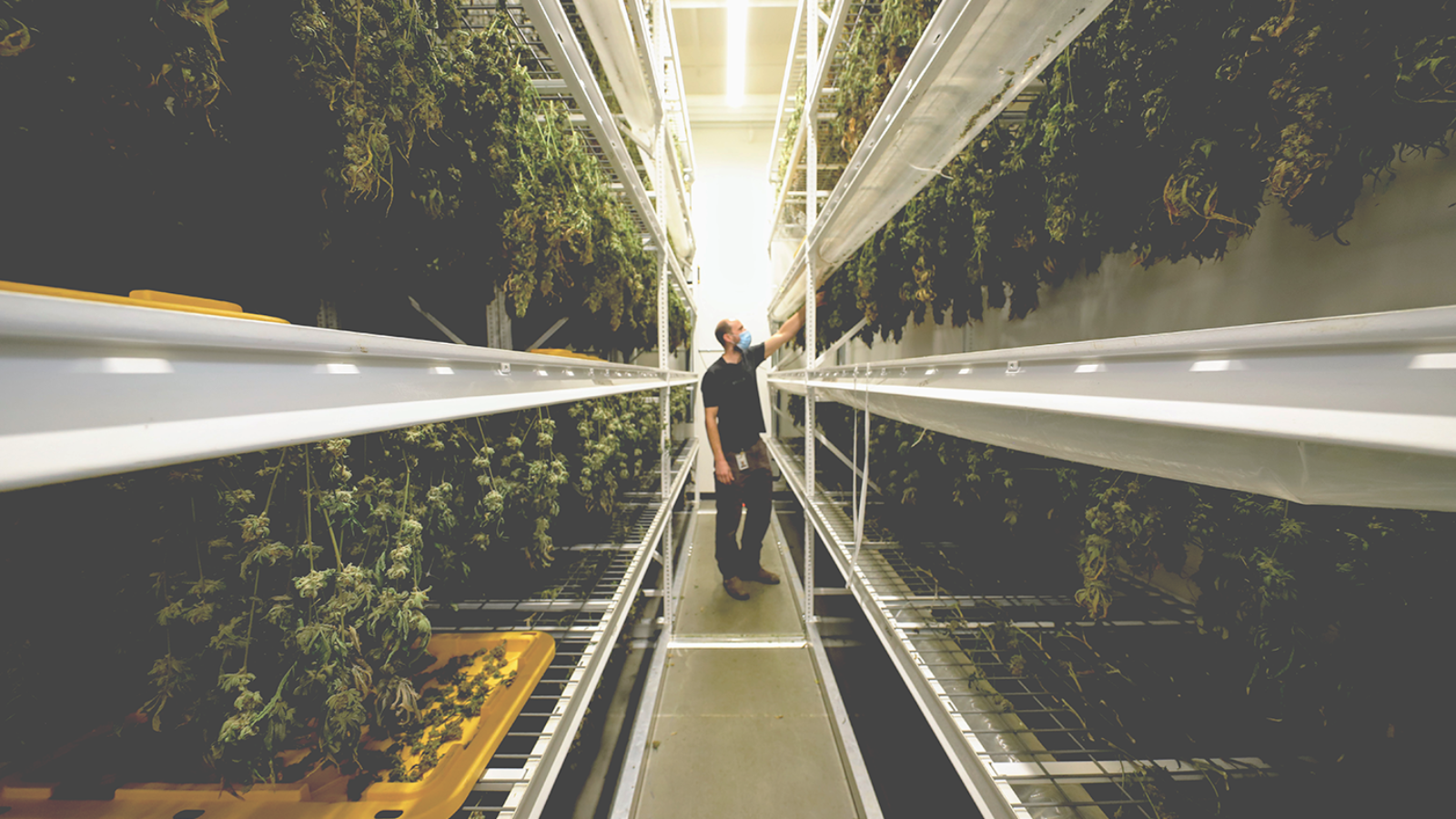
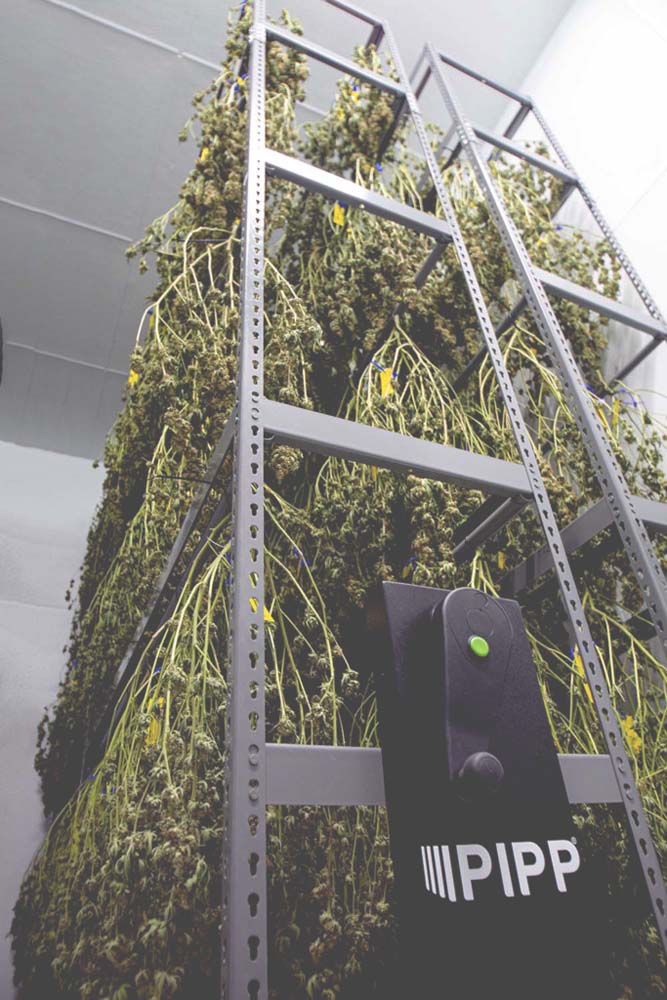
DRYING RACKS differ in that staff must still bring plants to the racks where they manually hang from the rack. A mobile drying cart can still be used for the transfer to eliminate the use of bins or totes. However, what sets these drying racks apart from common drying setups is that the racks can span the full height of the room, taking advantage of not only total available square feet but cubic feet as well. There are pros and cons to both options. Ultimately, your operation’s capacity, efficiency, and labor demands will be the deciding factor.

Vertical Drying Racks
Cannabis drying and curing made simple with commercial drying equipment

Space Requirements

The carts must be stored when not in use, and you’ll also need adequate space in your flower room for the carts to roll through the aisles. We recommend a minimum of 28” width aisles. If you’re already tight on space in the drying rooms and are using a trellis or cable wire, installing mobile drying racks will greatly optimize your room’s plant-drying capacity. Drying racks can help transform a tight, restricted space into an efficient one that supports your scaling business. To get an idea of how much space is required for either racks or carts, we crunched some numbers for you.

Here, you can see how much square footage of drying space is required for each equipment option. For this example, let’s consider 1,000 harvested cannabis plants. The following space is required in your drying area for each solution (the range accounts for plant size and density):

• PIPP 2-tier drying carts: 300-600 sq. ft.
• PIPP 3-tier drying carts: 200-400 sq. ft.
• PIPP mobile drying racks (4-tiers): 200-400 sq. ft.

You can see that the available space in the facility is the main consideration here.

If space is not an issue, the ideal choice is drying carts for the points mentioned above: lower labor costs and higher quality product.

In Conclusion

Now that you’ve made it this far, you’re probably getting a good idea of which option (drying racks or carts) might work best for your grow space. For assistance in selecting the best drying solution for your operation, download our latest e-book or contact the team at PIPP Horticulture today!


Get a FREE Grow Consultation

10 Essential Vertical Farming Tools for the Ultimate Grow Room

10 Essential Vertical Farming Tools for the Ultimate Grow Room

Today cultivators are implementing and utilizing vertical farming systems and grow room equipment more than ever to maximize production capacity and maintain a competitive edge. For the foreseeable future, vertical farming and the associated technologies will continue to revolutionize and shape the production of cannabis and other high-value crops. For something so revolutionary, it’s quite simple. Vertical growing provides many advantages when done successfully.

The benefits of vertical farming include maximizing your production capacity within a fixed grow space, increased margins as production increases, and the ability to increase production with limited downtime rapidly. Using this previously unused vertical grow space is one of the easiest ways to improve total production capacity. However, effectively utilizing the majority of your space requires some upfront investment, strategic planning, researching options, and budgeting properly for grow room equipment expenditures can be the difference between success and failure. Like any large investment, you need to plan what you’re buying, why you’re buying it when to buy it, and how it will yield a return on your investment (ROI).

In this article, we’ll look at sourcing the right equipment and systems that will effectively integrate to create an optimum controlled growing environment that is efficient, productive, and free of costly miscalculations and constraints.

Why You Need to Select the Right Grow Room Equipment

If you’re going to flourish in the competitive cannabis industry, you’ll need to maximize crop yield and quality. Every square and cubic inch of canopy matter, and ensuring that every inch of plant canopy is operating with minimal downtime while receiving optimal inputs is vital to maximizing production capacity. To do this, you’ll need expertise and proper planning to calculate and integrate systems to achieve maximum results. “Saving a buck”, taking shortcuts, and miscalculations can easily bottleneck or shut down operations altogether.

Investing in the right equipment is the closest thing to crop insurance that you can buy. Putting this type of care into your facility and equipment selection translates into a better product, and overall, more efficient and profitable operation.

How the Right Vertical Farming Equipment Can Boost Your ROI 

In an increasingly competitive industry, maximizing your ROI is the key to long term success. Vertical farming is one of the best paths to achieve this, beginning with choosing the right vertical farming equipment. Making the right decisions and investing intelligently in your operation boosts your ROI in several ways.

First, it allows you to fit more plants into your grow space, increasing the quantity of your overall crop yield. Second, automated servicing across multiple layers of plants can reduce your labor costs resulting in a lower per-unit production cost. Finally, producing more grams lowers your fixed cost per unit. All of this combined lowers your total cost of goods sold (COGS), thereby increasing your bottom line and boosting your ROI.

10 Vertical Farming Equipment Necessities 

#1. Vertical Grow Racks 

The backbone of vertical & indoor farming is a mobile vertical grow rack systemPipp Horticulture’s vertical grow racks help you utilize unused cubic feet by stacking multiple layers of cannabis and other high-value plants. Using vertical grow racks can offer flexibility and cost savings as you design and scale-up production by reducing the overall building square footage, deferring or eliminating expensive relocation costs due to capacity constraints, and offering flexible tiered expansion without expensive construction and permitting processes.

So, what should you look for when choosing your rack system? Strength and durability in a high-humidity environment. Your grow racks are the skeleton of your operation. The bones provide structure and accommodate all your cannabis plants and equipment, including fans, lights, trays, and irrigation. Your racking and mobile carriage should be constructed with high-strength steel and must have a high capacity to ensure as many plants as possible can fit and grow on each row. The ELEVATE™ Platform System is a robust, lightweight, and portable deck that allows cultivators to access the upper levels of PIPP’s Multi-Tier Mobile Grow Racks quickly, efficiently, and most importantly – safely. This patent-pending system was designed to integrate with PIPP’s Bulk Rack Shelving Systems without any modifications. The ELEVATE™ Platform System can be installed on new or existing mobile vertical grow racks.

ELEVATE™ Platform System

You want a UV-stable, anti-microbial, and fungal-resistant finish that is simple to keep clean and sanitized while giving your cultivation space a professional appearance. Finally, you’ll want to feel confident in the craftsmanship and the ability to last a long time through consistent usage in a damp and corrosive environment.


#2. Mobile Carriages 

Just as crucial as choosing the right racks is selecting and correctly installing the associated mobile carriages. If your grow racks are the skeleton of your grow space, the mobile carriages are the muscles, moving the bones around where they need to go.

This mobility is a critical function for optimizing your vertical farm’s capacity and workflow. If you’ve ever been in a library or back-of-house retail stockroom, chances are you’ve seen mobile carriages in action. Pipp’s mobile carriage offerings allow a user to effortlessly move huge racks or shelving units to maximize space and eliminate static aisles between each rack.

When choosing your mobile carriages, keep in mind that they must meet ADA compliance standards. Carriages should utilize in-track anti-tip features that provide worker safety and are often mandatory in states with seismic regulations.

You’ll also want to ensure all components are corrosion and oxidation-resistant. A mechanical-assist drive system allows for the effortless movement of each rack. Selecting the right mobile carriages helps utilize every possible square and cubic inch of space and ensures reliable performance while avoiding operational failure and downtime caused by corrosion and breakdown of cheap components.

Mobile Vertical Grow Racks

#3. Grow Trays 

Once you’ve built the framework or skeleton, it’s time to fill it out with grow trays, the organs, metaphorically speaking. They give your cannabis plants home and provide the foundation and/or mounting points for your lighting, air circulation, and plumbing. Pipp’s grow trays, designed for durability, can be used for both drip-to-drain and ebb-and-flow irrigation. Pipp trays come with UV-stability, anti-microbial, and fungal-resistance properties and feature a built-in trough for easy drainage to ensure a clean, sanitary and productive vertical growing environment.

#4. Lighting 

Along with water and air, lights provide your cannabis plants the crucial input needed for cannabis to grow healthy, and vigorously, and produce high concentrations of cannabinoids, terpenes, flavonoids, and other actives.

Vertical farming typically utilizes LED lights on each growing tier. While this upfront investment can be expensive, the reduced installation costs and continuous energy savings (when compared to HPS lighting) lower your production cost/gram. Most cultivation facilities recoup their upfront premium within several harvests.

When selecting your vertical farming lights, you’ll want to ensure the light spectrum, intensity, and layout are adequate for your needs, typically between 750 and 1500 PPFD. Ideally, flex-wiring or “daisy chain” functionality will allow for reduced electrical work and installation costs. Additionally, you’ll want your lights rated IP65 or IP66 for wet environments, easily dimmable, and capable of providing an even distribution of PPFD across the entire fixture.

Warranty and service should also be taken into consideration when making your final decision on lighting. With all these components, we recommend utilizing proven systems with verifiable installations and operational customers willing to provide positive testimonials. Working with reputable manufacturers provides assurance and support as you determine lighting, cooling, and other crucial calculations necessary to create the ideal growing environment.

#5. Air Flow 

Helping your plants thrive in a vertical growing environment requires ensuring that they get adequate amounts of clean air. Providing sufficient airflow is imperative to plant health and mitigating pests and pathogens throughout your facility. Vertical farming operations have unique air circulation needs. Due to obstructions and restrictions created by infrastructure and the multiple tiers of cultivation, microclimates can form if the design and execution is not done correctly.

Adapting to these challenges is critical for ensuring adequate airflow and thorough fresh air exchanges. You must provide a grow room air circulation system on each level of plants that’s capable of supplying consistent conditioned air to the canopy and sub-canopy across the entire run, with minimal variation. Some airflow systems like Vertical Air Solutions provide additional capabilities, including air sanitization and Co2 enrichment.

#6. HVAC

Your HVAC system is metaphorically like the lungs of a vertical growing system. It brings in fresh air and expels used air through the ventilation system, keeping the air clean, moving, and well-regulated within the set temperature and humidity parameters to ensure your cannabis plants thrive. Keeping your HVAC clean and sanitary allows for regular, fresh-treated air exchange and prevents the growth of mildew, mold, bacteria, and other pathogens in the air.

When choosing your HVAC system, it’s essential to determine the adequate cooling and heating loads specific to your production plan. In addition, you must consider the irrigation rates and dehumidification need to remove excess transpiration.

Most cultivators elect for redundancy in HVAC equipment to ensure continuous operations if one or more systems are down for service or malfunctioning. Also, consider maintenance and servicing these systems, are parts and service personnel nearby and readily available. It is a standard best practice to keep a backup of spare parts prone to breaking and/or have extended lead times.

#7. Irrigation and Fertigation Systems

Similar to previously discussed vertical farming equipment components, irrigation and fertigation systems, and corresponding controls require design, installation, and commissioning to provide coverage for current and future plant layouts and plant feeding strategies. Consistent water and nutrients are essential for cannabis plants. Proper irrigation and fertigation arrangement could be the difference between growing weak plants and producing robust and cannabinoid-rich harvests through various crop steering techniques.

Several well-established companies are operating in this sector, providing irrigation and fertigation systems and controls to commercial farmers worldwide. Utilizing proven providers with cannabis experience will ensure proper functionality and integration. Automated irrigation systems are an excellent way to achieve efficiency, reduce water consumption, and reduce costly and grueling labor often associated with manual fertilizing and hand watering. Be sure to select irrigation and fertigation components that are compatible and integrate with your other grow controls, sensors, and monitors.

#8. Grow Sensor and Monitors 

One of the most high-tech evolutions in cannabis growing is the proliferation of grow sensors and monitors and the robust data now available to growers to help make data-driven solutions. These tools offer both a macro and micro view of your entire grow operation, with in-depth analytics including air temperature, soil temperature, pH, humidity, VPD, lighting, and substrate moisture, among others.

Digitally analyzing your cultivation space allows expert growers to combine their earned expertise with insights located in a simple digital dashboard to optimize vertical cannabis growing conditions. When selecting these components, they must have open API and integrate with other systems and controls to provide real-time alerts and provide feedback to modulate other components that maintain set parameters.

#9. Mobile Carts 

With a solid infrastructure of vertical grow racks, mobile carriages, and grow trays in place, your vertical farm setup is starting to take shape. While space maximization and optimization have been our main focus throughout this article, we’ve yet to address one of the critical activities of all cannabis operations: harvesting and drying plants.

Now that you’ve optimized the cultivation areas, it’s only right to extend these concepts into the processing and drying areas to maximize the space and create efficient workflow and processes.  Pipp’s mobile cannabis drying racks quickly move from flowering rooms to processing and drying areas, making for an efficient, gentle, and sanitary transition from harvest to drying. It’s a smart idea to invest in a few other general mobile carts for storage and transportation to keep the team safe in the grow space, as accidents are more likely to occur when someone is carrying around large loads of gear or plants.

The ideal drying cart is designed and constructed for durability and flexibility to accommodate hanging plants or bucked cannabis to dry/cure/process harvested material. Carts should be adjustable and have various trays or hanging options like cantilever-style finger attachments allowing for custom configuration based on specific plant structure, process, and intended use. Additional features like nesting bases, security cages, and anti-microbial and fungal-resistance coatings are available.

#10. Storage Lockers 

Cannabis growing operations have to ensure the safety of their employees, communities, facilities, and product. This is a multi-faceted challenge that requires keeping close track of everything that enters and exits the building. Government regulators must quickly identify the quantity and quality of your product down to the gram. Given this scrutiny level, it’s key to create processes and procedures that prevent product diversion and maintain a sanitary production facility.

Developing in/out flow controls, employee clean-up rooms, sanitation, and cleanliness policies, and investing in high-quality storage lockers, like those produced at Pipp are great ways to ensure safety and provide workers with the peace of mind that their belongings are safe. Various options, including multi-tier, see-through, and coatings, are available.

 Common Vertical Farming Equipment Mistakes

Now that we’ve reviewed the main components of a vertical farming system let’s address some of the most common vertical farming equipment mistakes.  

Believing the investment is out of budget and seeking cheaper and inferior options.

Financial constraint is the most common reason for choosing a suboptimal solution. But don’t let a lack of cash limit your options. Securing capital without traditional institutional lenders can make capitalizing a cannabis operation challenging. However, as the industry develops and becomes more mainstream, funding and leasing options for cultivation equipment are becoming more readily available with terms equivalent to those provided to other sectors. Working with Pipp’s team to create a phasing plan for purchasing and installing growing equipment can help defer some capital expenditures to future expansion phases.

Undercutting the operation by miscalculating and skimping on equipment.

By miscalculating or buying less output or capacity than required for optimal performance, you may overextend and wear out undersized equipment, severely impeding your operation from fully maximizing and capitalizing on the advantages of vertical farming. Upfront investment in adequate infrastructure supports operations that generate profit, providing funding for future expansion as demand increases.

Pipp Horticulture Cannabis Grow

Failure to design grow space for vertical farming.

Vertical farming success hinges on strategic planning, calculations, and design. Getting the Pipp Team involved early in the design process can significantly augment your overall production capacity. While the equipment can dynamically move around your grow space, calculating ideal room sizes and configurations that maximize your canopy can increase production capacity by up to 55%.

How Pipp Horticulture Can Help

This piece was an informative and helpful review of vertical farming vs. conventional farming and the various components that integrate to create an optimized cultivation facility. Though we covered much information, there is much more detail and nuance that sets up and operates a vertical farm. When you are ready to learn more and begin planning a vertical grow, Pipp Horticulture can help you with expert advice and industry-leading vertical farming equipment.

We offer the best in vertical grow racks, mobile carriages, grow trays, mobile carts, and storage lockers to optimize your vertical cannabis growing operation. Contact the Pipp Horticulture team today for a complimentary consultation to maximize your facility’s potential.

Get a FREE Grow Consultation

NEW ANNOUNCEMENT: PIPP Horticulture Acquires Vertical Air Solutions

NEW ANNOUNCEMENT: PIPP Horticulture Acquires Vertical Air Solutions

Pipp Horticulture Acquires Vertical Air Solutions

This acquisition solidifies Pipp’s position as the preeminent Mobile Vertical Grow Rack provider for indoor vertical farming and
horticulture industries

December 10, 2020 – Walker, Michigan – December 10, 2020 – Pipp Horticulture (a division of Pipp Mobile Storage Systems, Inc., backed by Novacap) (“Pipp”), the leading provider of space‐saving, multi‐level mobile cultivation systems, announced today that it has acquired Vertical Air Solutions LLC (“VAS”). Based in Santa Cruz, California, VAS is a leader in providing In-Rack Airflow Systems and related products to the global indoor vertical farming industry.

“We are excited to welcome the entire VAS team, led by innovative entrepreneurs and powered by a dedicated group of employees, to the Pipp family of companies,” said Craig Umans, President and CEO, Pipp. “We have gotten to know the VAS team well in recent years, as they have been an integral part of our horticulture business, and their products are the ideal addition to our Mobile Vertical Grow Rack Systems. We look forward to integrating their leading technology into our continually expanding product offering to better serve the fast‐growing vertical indoor farming industry.”


“In 2017, when our ‘first of its kind’ airflow technology couldn’t fit into standard mobile racking configurations, Pipp Horticulture was prepared and willing to customize their system in order to accept ours. Our companies have since built a strong relationship and we’re excited to make the partnership official.” said James Cunningham, Founder of VAS. “We look forward to continuing our focus on innovation while providing top-tier solutions for the vertical farming industry. Pipp’s 40 years of experience in equipment sales and manufacturing is exactly the support VAS needs in order to facilitate our growth into new markets.”

“The acquisition of VAS continues our mission of expanding our product offering to better serve the vertical farming industry. Pipp Horticulture brings a combination of the most knowledgeable and experienced Team along with the best products, competitive pricing, and best-in-class customer service” said Craig Umans, President and CEO, Pipp.

About Pipp Horticulture
Pipp Horticulture is the industry‐leading provider of vertical farming and space optimization solutions. We work with commercial agriculture professionals globally, to design, install, and optimize operational spaces throughout cultivation, post‐harvest, manufacturing, and distribution facilities through the implementation of vertical and mobile rack and cart systems. The Pipp team
merges over 40 years of commercial mobile storage experience with horticulture industry experts with over 30 years of operational experience in commercial agriculture and seed‐to‐sale production. Pipp provides expertise, insight, and network connections far beyond our mobile systems in support of our mission to augment financial performance and mitigate risk for our partners. For more information, please visit www.pipphorticulture.com

About Vertical Air Solutions
Vertical Air Solutions™️ leads the business of providing In-Rack Airflow Systems and related products to the global indoor vertical
farming industry. With a relentless focus on innovation in improving the efficiency and yield of its customers and an unwavering
commitment to stable and interdependent partnerships in its route to market, Vertical Air Solutions positions itself as a responsible, customer‐focused, responsive, and politically and socially involved player in the horticulture ecosystem. For more information, please visit vertairsolutions.com

About Novacap
Founded in 1981, Novacap is a leading Canadian private equity firm with CA$3.6 billion of assets under management. Its distinct investment approach, based on deep operational expertise and an active partnership with entrepreneurs, has helped accelerate growth and create long‐term value for its numerous portfolio companies. With an experienced management team and substantial financial resources, Novacap is well-positioned to continue building world‐class businesses. Backed by leading global institutional investors, Novacap’s deals typically include leveraged buyouts, management buyouts, add‐on acquisitions, IPOs, and privatizations. Over the last 39 years, Novacap has invested in more than 90 companies and completed more than 140 add‐on acquisitions. Novacap has offices in Brossard, Quebec and Toronto, Ontario. For more information, please visit www.novacap.ca.

For more information:
Craig Umans, President and CEO
Pipp Mobile Storage Systems, Inc.
616‐988‐4044
[email protected]

Get a FREE Grow Consultation

NEW PRODUCT ANNOUNCEMENT: TRAK-FREE™ CARRIAGE

NEW PRODUCT ANNOUNCEMENT: TRAK-FREE™ CARRIAGE

NEW PRODUCT ANNOUNCEMENT: TRAK-FREE™ CARRIAGE

For the past several years, Pipp Horticulture’s mission has been to help cultivators across the globe save time and money by creating a more efficient grow facility and helping streamline operations. Pipp has not only developed a product line that was purposefully designed to serve the cannabis cultivation market, but they added experienced cultivators and industry experts to their team to continuously improve their services and develop products that positively affect canopy output and facility operations.

While focusing on this mission and to meet a broader range of customer requirements and price points, Pipp engineered their new, patent-pending TRAK FREE™ Carriage System. The revolutionary advancement of the TRAK-FREE™ Carriage System is the single guide rail along the back of the system rather than multiple tracks in the walkway. This system not only saves time and money on materials and installation but also helps cultivators: improve efficiencies of standard operating procedures and safety measures, reduce potential floor impediments, and effortlessly move other necessary equipment like carts, racks, and ladders around the grow room.

*Patent-Pending

TRAK-FREE™ CARRIAGE

Get a FREE Grow Consultation

Sanitization of Your Vertical Farming Cultivation Facility

Sanitization of Your Vertical Farming Cultivation Facility

Part I: Equipment & Surfaces

Cultivation facilities are a paradise for molds, pathogens, microbes, fungus, and invasive insects. If you think about it, they’re in perpetual states of spring or summer, which is the perfect breeding environment for pests and disease. This is why grow room sanitization is critical to keep your cannabis grow environment clean and free of anything that may increase the chances of experiencing a problem later on down the road.

Just keep one thing in mind: no matter how good of a grower you may be, even the best of them battle pests and diseases at one point or another.
In this three-part series, we’re going to look at how to sanitize your cannabis cultivation facility. Part I, below, focuses on equipment and surfaces. Part II will cover methodology around plants and substrates. And Part III will review the sanitization of HVAC and air distribution systems. We will also cover how to properly validate that your cultivation space is sanitized and we will cover a management system to help you stay compliant with local and federal regulations.

Let’s Jump In

Keeping a regular schedule of inspecting and cleaning your cultivation facility, along with the application of preventative products, is key in mitigating problems before they get out of hand. Infestations cost you labor and capital when the quality or yields from your harvest are compromised. Taking a proactive approach will save you time, energy, and money, as well as give you consistent, high-quality, cannabis yields. If you are going to put all that effort into your operation you owe it to yourself to take the necessary precautions. So, let’s get started in covering how to prevent some common problems.

Preventative Methods

One important, preventative activity is sweeping and vacuuming the grow area of any leaves, soil, or other debris. We recommend using a Shop-Vac that includes a HEPA filter, which can help prevent the spreading of pests and diseases. Many growers do this between cycles and after major plant pruning/maintenance events. But to truly make this a preventative activity, schedule regular cleanings and inspire good habits in employees who service the rooms daily.

Disinfecting Vs. Sanitizing

After the debris has been removed, you will move on to the next step of sanitizing and disinfecting. So what does it really mean to disinfect or sanitize? These words are often used interchangeably, but they are not one and the same. Let’s start with the basic term, cleaning. According to the Center for Disease Control (CDC), cleaning removes impurities, dirt, and germs from objects or surfaces. Sanitizing reduces pathogens on any given surface down to a safe level, as set forth by public health standards. In order to properly sanitize, the solution used, has to reduce microorganisms by 99.9% within a 30-second window.

Disinfecting, on the other hand, requires a reduction of these microorganisms down by 99.999% in a five to ten-minute timespan. This is basically killing these pathogens off. The difference between 99.9% and 99.999% may seem very small, but surfaces contain millions of microorganisms. It only takes a few minutes for particles to quickly spread infection. Darrel Hicks, author of “Infection Prevention for Dummies” uses the following example to highlight the difference:

“On any given day, there are 102,465 commercial flights in the world,” he says. “If 99.9 percent of those flights arrived safely to their destination, then that means 1,025 airplanes would crash every day. At 99.999 percent, only 10 would crash every day.”

So to recap, cleaning gets rid of dirt and debris on surfaces, sanitizing lowers the number of germs (99.9%), and disinfecting basically kills them outright (99.999%).

Back to Basics: How to Sanitize & Disinfect Surfaces & Equipment

According to the CDC and the US Department of Agriculture, it is recommended that you clean first, before sanitizing or disinfecting. After, the application of special solutions, like Bio-Foam which we’ll cover later, will sanitize those surfaces. A common recipe is 1 tablespoon of liquid chlorine bleach (unscented) to 1 gallon of water. To disinfect, you can choose to use special biologically safe solutions or a household bleach solution. Ensure that the surface remains wet for several minutes to make certain that you’ve killed off all the germs.

UV Sterilization

UV sterilization is a completely chemical-free disinfection and sterilization method that uses ultraviolet light to kill microorganisms like powdery mildew,  bud mold, bacteria, fungus, and other DNA-based contamination. There are 3 types of UV. UVA, UVB, and UVC. UVC is used for sterilizing hospitals, airplanes, offices, and factories. UV Sterilization uses UV light (100 – 400 nanometers in wavelength) outside of the visible light spectrum (400 – 800 nanometers in wavelength) to disrupt and destroy DNA, leaving the contaminants unable to perform their cellular functions. There are 3 types of UV light. UVA, UVB, and UVC. UVC is used for sterilizing hospitals, airplanes, offices, and factories.

Proper dosage is crucial, as some molds require 50 times higher dosage than bacteria, with using a low dosage of UV light leaving some growers disappointed with the results. On the other hand, be careful of a high dose, as it can deplete your cannabis plants with the important elements they need to grow. This includes iron, boron, manganese, and beneficial microbes. UV sterilization can also cause your plants to undergo color change and terpene loss through oxidation. Test for any deficiencies as you go, so you can mitigate problems before they get worse and out of control.

Ozone Sanitation

Ozone sanitation has become an increasingly common method of air purification in cannabis cultivation facilities. Ozone gas occurs twice, once in the upper atmosphere, which protects life here on earth from the sun’s harmful UV rays. And a second time at ground level, which is produced by pollution and smog commonly found in urban areas. Ozone gas is capable of cleaning the air in the immediate cannabis cultivation environment. Ozone sanitation accomplishes this by emitting ozone gas that kills diseases, fungus, and odors. At high levels, ozone gas can be an effective form of sterilization.

Human safety and exposure and the importance of being able to purge Ozone out through a ventilation fan after desired saturation levels/duration are achieved. NIOSH recommended exposure limit for ozone is 0.2 ppm. Ozone levels of 5 ppm or higher are considered immediately dangerous to life or health. OSHA requires that workers not be exposed to an average concentration of more than 0.10 ppm for 8 hours.CAUTION: It is important to purge Ozone out through ventilation fans after the desired saturation levels/duration has been achieved.

The National Institute for Occupational Safety & Health (NIOSH) recommends exposure limits for ozone at 0.2 ppm. Ozone levels of 5 ppm or higher are considered immediately dangerous to life or health. The Occupational Safety & Health Administration (OSHA) requires that workers are not to be exposed to an average concentration of more than 0.10 ppm for 8 hours. While ozone can be a very effective method of air purification, there are also products that can help you sanitize the hard-to-reach areas on surfaces and equipment.

Sanitization Products for Those Hard-to-Reach Nooks & Crannies

Bio-Foamer – enables the sanitization of hard-to-reach areas and surfaces. The foam ensures full coverage by creating a visual indicator of the areas of application. It adheres to those surfaces for extended effectiveness. The foam requires low to minimize water waste, which makes it ideal for drain-less operations.
The foam is left on the surface to air dry and there is no need to rinse. Bio-Foamer enables you to cover large spaces, including floors, doors, walls, ceilings, transport carts, grow trays, racks, equipment, etc.

Bio-Fogger – this is a portable sanitization and disinfecting system that uses supercharged fog. The solution is comprised of activated peroxide. You can use Bio-Fogger on air filters, dehumidifiers, ducts, irrigation lines, lights, sensors, and above-ground tracks.

Passive Systems – these “organic” air purification systems are used to protect your crops from bacteria, powdery mildew, gray mold, and all kinds of pathogens. Multi-Cluster Ionization Technology is used to create high levels of ions (both negative and positive) through the use of a Dielectric Barrier Ionizer (DBI). This creates ions that have a longer dwell time and life than other types of systems. The result is boosted efficiency in killing all kinds of pathogens, including bacteria, mildew, and molds.

Summary

We have covered the importance of using an integrative approach to sanitizing your cannabis cultivation facilities and the tools to do so. There are many types of products to assist in accomplishing this, like ozone, UV, Bio-Foam, Bio-Fogger and passive systems like the MCI technology. Your actual grow room equipment can also play a huge role in your sanitizing efforts. You may be interested to know that products like PIPP vertical grow racks contain anti-microbial and fungal-resistant additives. While they still require vacuuming of the track grooves, PIPP vertical grow racks move along the tracks and expose the entire grow room for easy and efficient floor cleaning. Best of all, the stainless steel track inserts, carriage wheels, and marine-grade aluminum carriages are corrosion and oxidation-resistant.

Keep an eye out for Part II, coming soon, where we cover the sanitization of cannabis plants and substrate, as well as Integrative Pest Management (IPM) in the vertical cannabis farm and why it is more effective than other methods of pest control.

Get a FREE Grow Consultation

Vertical Grow Room Design: How to Service the Upper Levels of Your Grow

Vertical Grow Room Design: How to Service the Upper Levels of Your Grow

Vertical farming is the future of innovative agriculture globally. In fact, vertical farming may play a role in meeting the ever-growing need for food. Due to this increased demand for vertical farming, your vertical grow room design and setup are continually becoming more important.

Indoor cannabis growers can all agree on one thing: electricity is expensive! Some places in the country like Humboldt County are known for their sun-grown flower. But growers in other locations don’t have the luxury of growing outdoors. Whether it’s due to climate or local regulations, many growers in the regulated cannabis market are forced to grow indoors.

Vertical farming increases your total canopy area and increases your total yield while decreasing the average cost per pound.

Every grow operation is unique and requires a customized installation and vertical grow room design. What works for one cannabis cultivator may not necessarily work the same way for the next. Location, building structure, size, locality, local laws, local climate weather patterns, OSHA compliance, and SEISMIC compliance, are just a few factors to consider.

Types of Vertical Setups

Vertical farms and a vertical grow system can be set up in all kinds of facilities, ranging from warehouses, large buildings, storage containers and mobile grow boxes. But all of them really fall under two basic categories: true vertical and stacked vertical.

True Vertical

In true vertical farming, you’ll see the plants growing out of the side of a column, with all the nutrients and water dripping top down. Organic kale, lettuce, and other greens are commonly grown in true vertical farms. There are many different variations of this method, but all of them have the same goal in mind.

Stacked Vertical

Stacking grow trays above each other is known as stacked vertical farming. Because space is a concern both vertically and horizontally, you’ll want to keep the plants topped and defoliated, so that they remain short and stubby. Some strains and cultivars are better fitted for indoor grow operations than others.

Vertical grows should be wise in selecting which genetics to deploy. The best-yielding vertical farms grow phenos that are naturally short with big, heavy buds. They also tend to have fewer leaves, requiring less hands-on defoliation. However, some experienced growers do grow taller strains as well. Technically, you could grow just about any strain of cannabis or hemp in a vertical farm setup.

Stacked Mobile Vertical Grow Racks

Benefits Of Vertical Growing

So why is vertical farming such a big deal in the cannabis cultivation world? It’s because it allows growers to experience:

  • Reduced air conditioning costs
  • Reduced heating costs
  • Decreased energy consumption
  • Doubled or tripled yields
  • Reduced water usage
  • Reduced fertilizer usage
  • Decreased cycle time
  • Decrease in overall cost per pound

Vertical Farming In Every Stage Of Your Grow

Vertical farming has profound applications in four major areas.

Nursery

You’ll want to consider the flow of your space in the early stages of your design phase. Begin by itemizing all of the fixtures, including HVAC, drains, sprinklers, electric panels, doors, overhead emergency lights, and pipes.

If you’re designing a new space or upgrading one to vertical racking, it’s a good idea to keep an open design on a final location like a wall or door. The goal is to maximize your canopy, given all the obstacles and objects in the room.

You may not always need door relocation. However, adjusting the location of the door may prove to be beneficial not just for maximizing canopy yield, but also for improved safety and workplace ergonomics.

Cultivation


In order to efficiently design your cultivation layout, you’ll need to consider things like:

  • Type of grow space
  • Desired number of grow tiers
  • Types of trays
  • Height between racks
  • Critical wall dimensions
  • Doors, egress paths, columns
  • Electrical panels
  • Ceiling height
  • Light height
  • Type of flooring
  • Any other obstructions
Cannabis Trimming

Drying & Curing

Top growers know that the drying and curing stage is crucial to delivering top-notch products that have realized their full genetic potential.

Drying carts are a crucial part of your process and can really help streamline your workflow. They are specially designed for hanging your plants to dry and come with special finger attachments.


Storage

Shelf carts are great for both storing and transporting your product. The levels are completely adjustable and you can easily add more shelves as needed.

Combo carts bring the best of both worlds by providing exclusive hanging attachments for drying and adjustable shelves below for storage and transport. Now that we’ve covered the different types of vertical farm setups, the benefits, applications, and storage, let’s move on to servicing the upper levels.

How Do You Service the Upper Levels?

This is one of the most common questions we get. It’s important to have full access to the upper levels so that all the plants in your facility get the exact same scrutinous eye and nurturing hands. You don’t want pests, mold, or anything else to creep up on you if the top level of your vertical system can’t be seen or accessed.

The NEW Elevate™ Platform System is a robust, lightweight, and portable deck to allow cultivators to access PIPP’s Multi-Tier Mobile Grow Racks quickly, efficiently, and most importantly – safely.

Pipp’s latest innovation, the Elevate™ Platform System, features the following:

  • Quick and simple setup with more time available to care for plants and less time spent preparing your workspace.
  • Lightweight components allow one person to set up the entire system. Two people make it a breeze.
  • Aluminum and Galvanized steel components for great corrosion resistance.

Safety is a big concern for any commercial operator. Ensuring workers have easy access to the plants while also minimizing their reach and risk of fall is crucial for owners and managers running a tight ship.

Cost is another factor for commercial grow looking to optimize their facility and introduce vertical racks. How to service those upper levels becomes a decision between cost, efficiency, and scale. The simplest option will be the cheapest, yet it will require more labor hours to move between the rows and levels. The higher-cost option is the most automated, yet the most expensive.

We’ve covered how to access the upper levels, so now let’s move on to the tools used to do this. There are three major types: ladders, rolling scaffolding, and lifts.

Ladders

Ladders, while simple, is a bit more challenging to use in vertical farming.

Because they do not provide a flat working space, they can make things less ergonomic.

The taller the ladder, the wider it has to be to allow for ease of movement. Platform ladders are good for when workers need to spend long periods of time in one particular spot on the ladder.

Platform ladders come with a rail guard, located at the top. This helps stabilize the user while accessing the upper levels. It also allows the user to free up both hands, in order to focus on the work. Some of the platform ladders even come with castors that make it easier to move from one area to the next.


Most store-bought ladders will be OSHA-compliant too.

Vertical Farming at Redbud Roots

Rolling Scaffolding

While ladders are the least expensive option, rolling scaffolding or platforms are a bit more costly. The advantage of using scaffolding is that you can easily move from room to room. Workers who have to change their position on a frequent basis would benefit from rolling scaffolding.

Leafline Labs Team Cannabis Cultivation

Lifts

Lifts are another option, however, they are usually the most expensive solution for accessing and working at those higher levels. However, if your grow is larger in scale and demands that workers spend long periods of time at the upper levels, then lifts may be a better option.

Lifts can be manually operated or motorized. Pricing varies greatly, depending on your selected options. If you have two tiers or more, lifts can offer the greatest amount of efficiency for your space and workforce.

For a three and four-level grow operation, lifts are typically necessary. Lifts can be moved while a person is still on the equipment. Instead of climbing down to move the equipment and climb back up, lifts save a ton of time. They are also usually better powered but will need recharging after use.

While there are several different choices available, you’ll probably want to contact a PIPP design/installation professional in order to help you determine which option is right for you. This can assist you in making an informed decision that best fits your facility’s needs.

 This can assist you in making an informed decision that best fits your facility’s needs.
Vertical Farming
Some Tips To Keep In Mind

Figuring out how to design and oversee vertical grow can be a bit overwhelming. However, you don’t have to go at it alone. No matter what route you choose, there are key fundamentals to any vertical farm grow setup.

  1. When deciding on the best options for your grow facility, you’ll need to weigh the cost of the solution versus the efficiencies the solution offers. But keep in mind, worker efficiency is crucial to the old adage “time is money”.
  2. Typically, the more efficient a solution, the higher its cost. You may want to consider doing timed studies with employees to get a handle on how much time may be spent inefficiently using one solution over another. This will help you determine the right cost-benefit solution for you.
  3. Also, you’ll want to be sure that whatever solution you decide fits from an ergonomic standpoint. You don’t want to fatigue your employees or put them in unsafe working conditions. The best solution will allow one to stand comfortably and minimize time spent bending over or working in a stretched position.
  4. The best solutions include the storage of tools needed to access the upper levels. Your workers should experience a safe and easy transition from one tool to the next in the course of their work.
  5. Lastly, safety should always be a priority. Because no two grow operations are the same, setups can differ and solutions need to be customized. Bars and safety rails help provide security to workers. And high density grow racks come equipped with a locking mechanism that secures its position while people are working on the equipment.
Leafline Labs Team Cannabis Cultivation

Wrap-Up Conclusion


Vertical farming is the future for indoor cannabis growers. As a cultivation

business scales and increases its square footage or room numbers, facility design can become more complex.

Growing indoors is an expensive venture, but one that can produce incredible results, both with the quality of cannabis and profits.

While you want to maximize your growth and profits, you also want to minimize hassles and costs.

Interested in seeing how much revenue you could be making with vertical farming? Enter your facility’s current canopy space, production metrics, and sales price to see how much you could be making when you upgrade your indoor farm to PIPP Horticulture’s Cannabis Grow Racks! 

Cannabis Grow Room Yield Calculator

Get a FREE Grow Consultation