Beyond Dancing Leaves: Quantifying Cultivation Airflow

Beyond Dancing Leaves: Quantifying Cultivation Airflow
Airflow System for Cannabis Plants

Setting the Stage

“As Pipp Horticulture’s Director of Horticulture, one of the most common issues I help cannabis growers and controlled environment agriculture (CEA) producers with is improving airflow within the crop canopy. Interestingly, several of those conversations follow this script:”

Grower: “I’m not getting enough airflow.”

Anders: “Ok, what airflow do you want to get?”

Grower: “Well, I want to see my leaves dancing.”

Anders: “But what does that mean? Leaf dancing is not a quantification.”

Despite how sophisticated indoor farming has become over the last decade, with many sensor and control system companies investing heavily in data collection and analysis tools, most growers still rely on subjective visual cues to determine whether enough air is flowing through their plant canopies. Even if these groups have an interest in quantifying this cultivation parameter, many control systems aren’t set up to do so, as they are often designed for outdoor farms or greenhouses where air speed is out of the grower’s control. Instead, most controllers prioritize parameters such as air and soil temperature, light, humidity, CO2 concentration, water, and nutrients.

Even with the right control systems, CEA growers can encounter limitations with the airflow sensors themselves. Many commercially available airflow sensors are designed to measure outside wind speeds for greenhouses and outdoor farms. As such, most are not sensitive enough to get an accurate reading of indoor airflow speed targets. Airflow sensors for indoor farms should be able to accurately measure airflow coming from all directions in the targeted velocity ranges.

As a scientist and data-driven cultivator, I’ve spent the last several months studying airflow. During this time, I’ve developed a deep appreciation for quantifying airflow in plant growth environments. Like most things in CEA, measuring airflow requires a decent understanding of the available tools (and their limitations), as well as the time and desire to collect and analyze data over months. By moving from subjective assessments, like the level of perceived leaf dancing, to precise measurements, growers can maximize the expression of their crop’s genetic potential, grow healthier plants, and increase their bottom line.

Use the Right Metric: Airflow, Not Flow Rate

Measuring airflow requires growers to determine the speed at which air is moving through or across their plant canopies. For the airspeeds we are targeting in indoor cultivation, the most appropriate units of measurement to use are meters per second (m/s) or feet per minute (ft/min). (Miles or kilometers per hour (mph/kph) are better metrics for measuring much higher airspeeds, such as those found outdoors.)

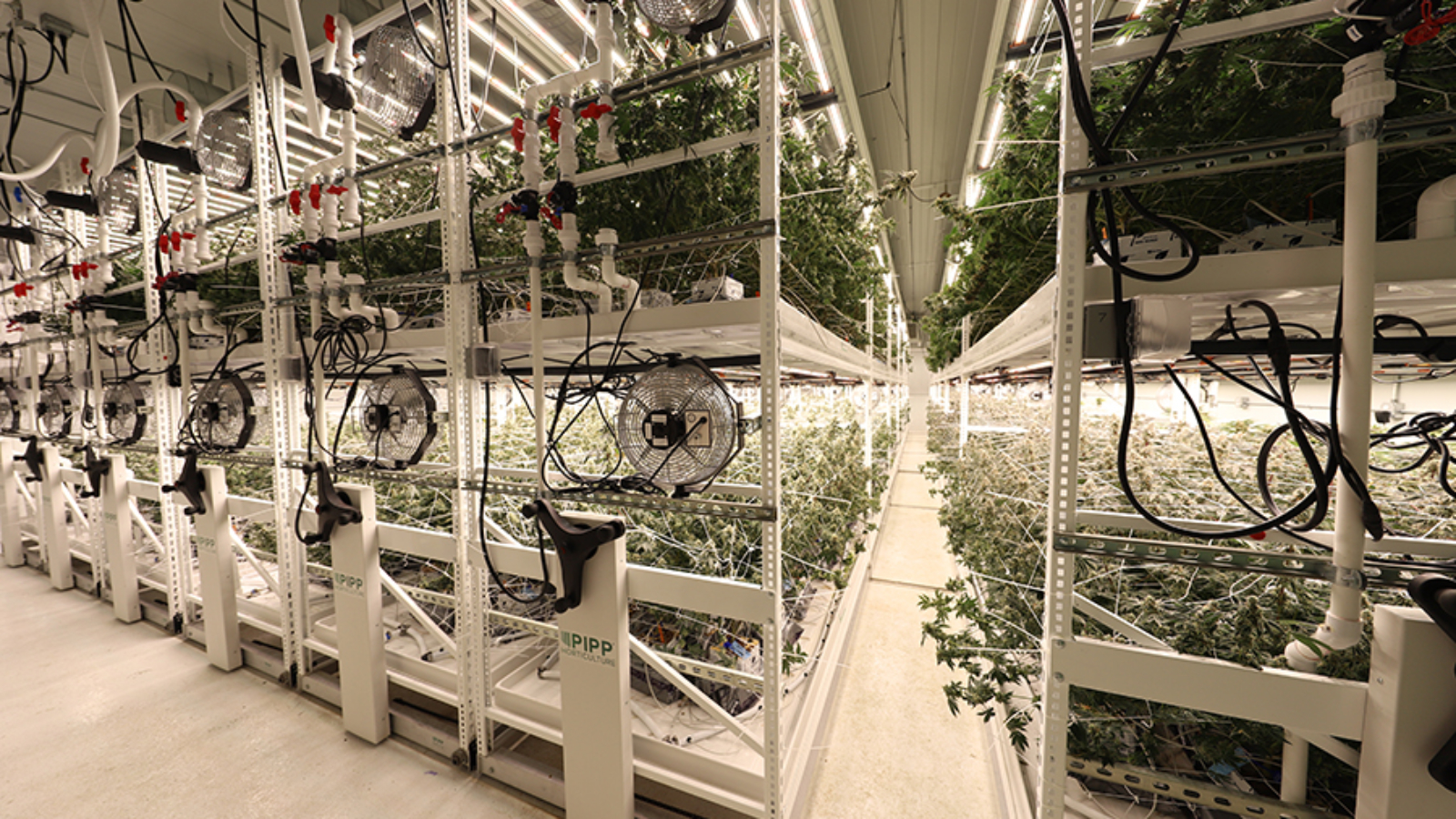
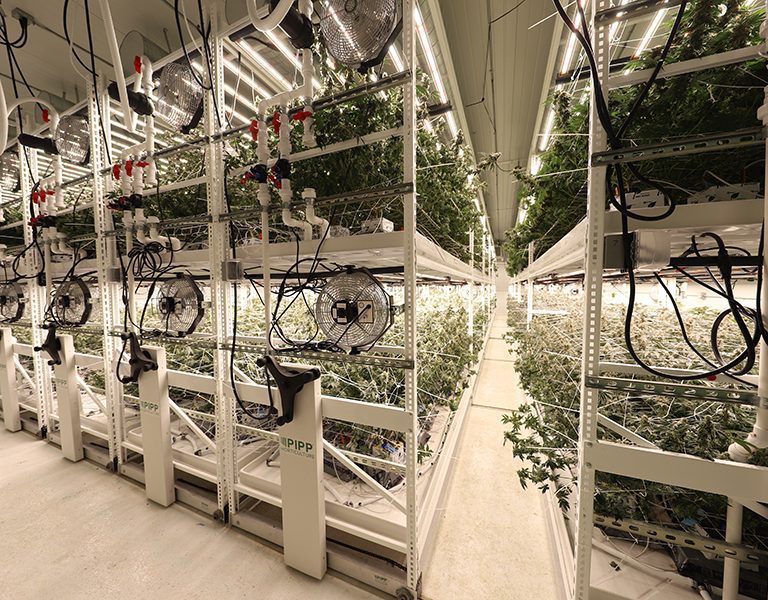
Airflow velocity can (and should) be measured across multiple points in a cultivation environment. For example, growers may be interested in knowing the air velocity coming out of a ventilation duct or fan as well as closer to the canopy top, or even within the canopy, to understand how equipment layout influences how air moves through the space. While air speeds may be adequate near ventilation equipment, vertical racks, plant density, and other factors can impede that flow where it is most needed.

It is important to avoid conflating airflow, a velocity measure, and volumetric flow rates, measured in cubic feet per minute (CFM). CFM is commonly used for measuring the capacity, or flow rate, of fans, blowers, and HVAC systems, along with the flow rates through ductwork. This figure can help growers determine the system requirements needed to achieve their desired amount of air changes in a given period. CFM can be calculated by multiplying the velocity of the air (in feet per minute) within a defined area.

Unless growers are measuring within a defined space, like in a piece of ductwork, growers should always be using feet per minute or meters per second when discussing airflow. Various academic sources cite a target airflow speed of between 0.5-1 m/s (~100-200 feet per minute) at the canopy top for most crops. For leafy greens, growers can target the lower end of the range, while tomato crops can be pushed to the upper range.

Due to the generally high light levels and transpiration rates, cannabis plants may require even greater airflow speeds to maintain optimal plant growth. Anecdotally, targeting 1.25 – 1.5 m/s (~250-300 ft/min) at light levels between 1,000-1,200 PPFD will better homogenize the leaf surface temperature, facilitate gas exchange, and prevent moist air from stagnating. In vegetative growth, speeds of 0.5-1 m/s generally are sufficient. Essentially, the higher the light levels on your crop, the more airflow is needed to balance the energy transfer within the plant and within the grow room.
VAS 2.0 | Airflow System

How to Measure Airflow in Indoor Farms

While there are limited tools specifically designed to measure airflow in CEA environments, technologies from other industries and use cases can be used as we wait for better purpose-built solutions.
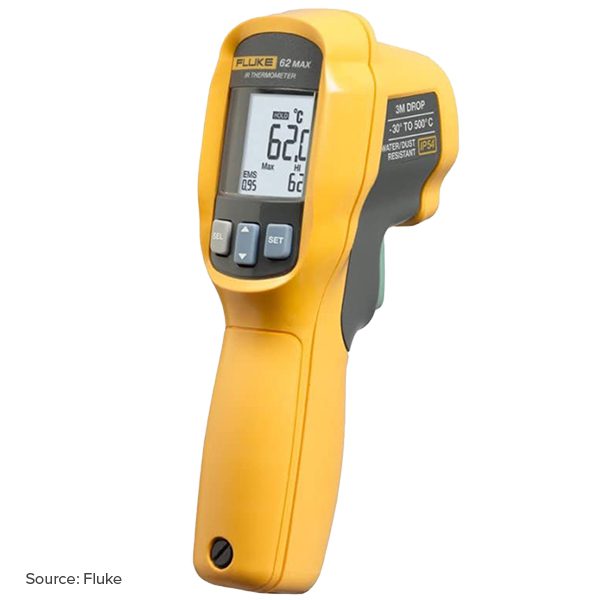
INFRARED (IR) THERMOMETERS

Infrared (IR) Thermometers

Indoor farmers and greenhouse operators may already be using infrared (IR) thermometers to monitor their crops leaf surface temperature for VPD calculations. These heat-sensing devices can be used to get an indirect airflow measurement by detecting differences in leaf surface temperatures across the plant canopy in a given grow room. Areas of the canopy with higher leaf surface temperatures than the rest of the room can indicate a lack of sufficient airflow in those zones.

IR thermometers can provide qualitative information about airflow patterns and speeds within a space but do not offer precise airflow readings needed to optimize growing environments. Nevertheless, this data is better than making decisions based on human senses or dancing leaves.

Beyond Dancing Leaves: Quantifying Cultivation Airflow

Cup/Vane Anemometers

Cup or vane anemometers use a mechanical system to measure airflow. Cups or fan blades pushed by wind spin on an axis, and the number of revolutions per minute determines the wind speed. These systems are common in outdoor farms and can be affixed to the top of greenhouses to capture outside wind speed.

While handheld models exist, cup or vane anemometers are generally not sensitive enough to measure the lower air velocities we are targeting in indoor cultivation. Furthermore, these handheld devices only provide accurate readings when held vertically and are not useful when measuring top-down or bottom-up airflow in vertical farms.

HOT WIRE ANEMOMETERS

Hot-Wire Anemometers

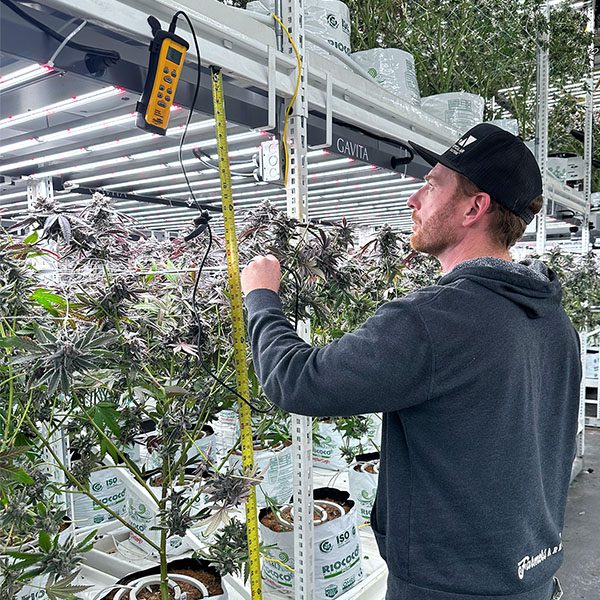
Hot-wire anemometers are handheld devices generally used in the HVAC industry to measure in-duct airflow. A small wire sticks out of one end of the device. That wire gets heated and cools off as air moves around it. The voltage required to heat it back up to setpoint is correlated to the amount of air velocity going across it. These are currently some of the best handheld devices that growers can use to measure intracanopy airflow.

Unidirectional hot-wire anemometers are more readily available and come at a lower price point, but require the user to point the device in the correct direction and can only take airflow readings from one direction at a time. (These units will have an arrow indicating how the user can align the wire against the airflow direction.)

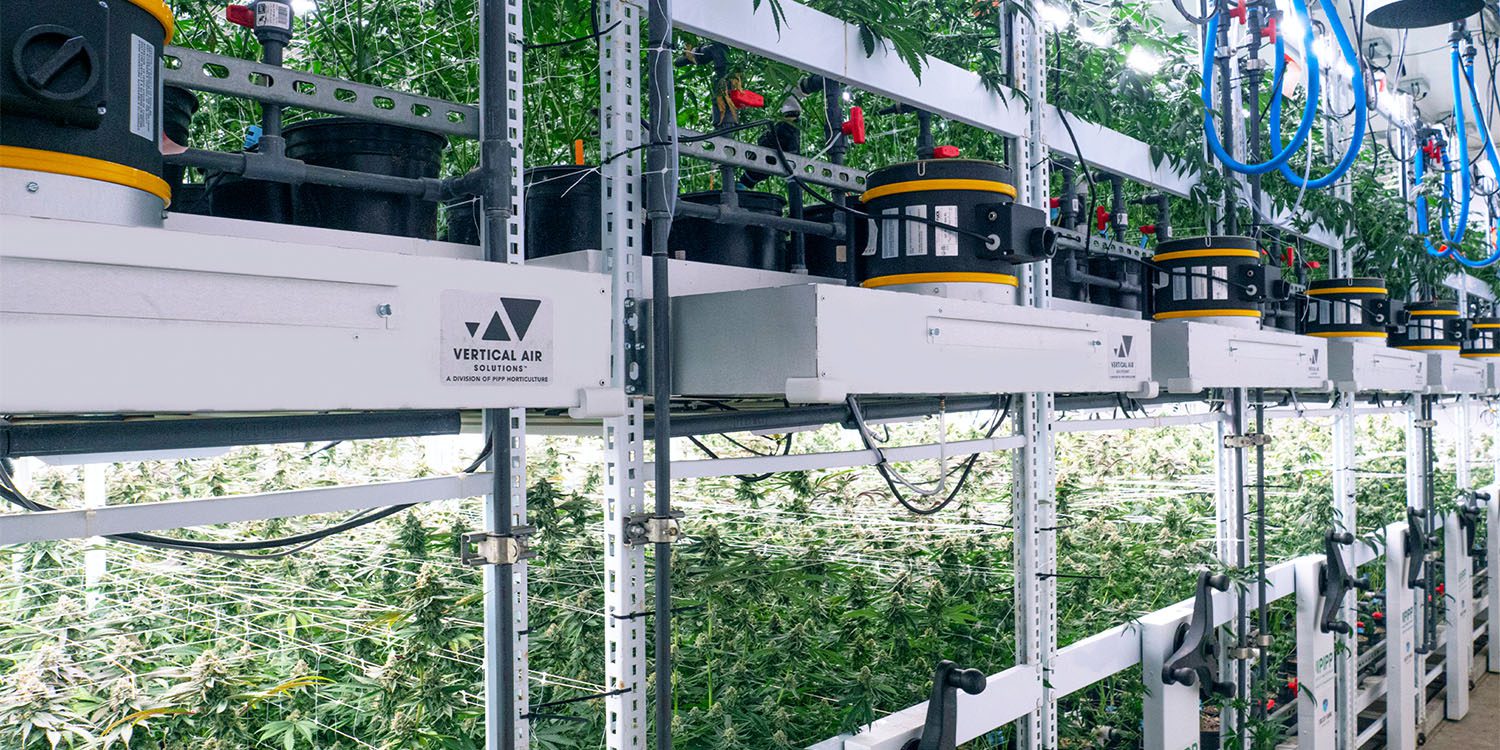
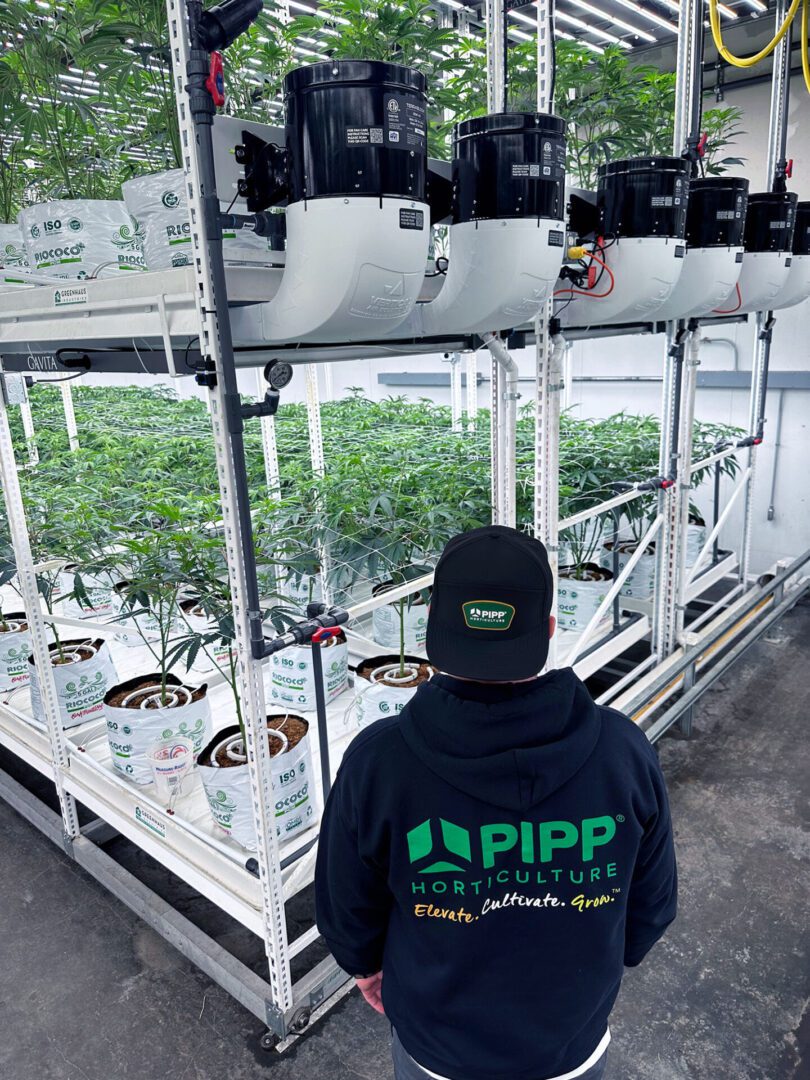
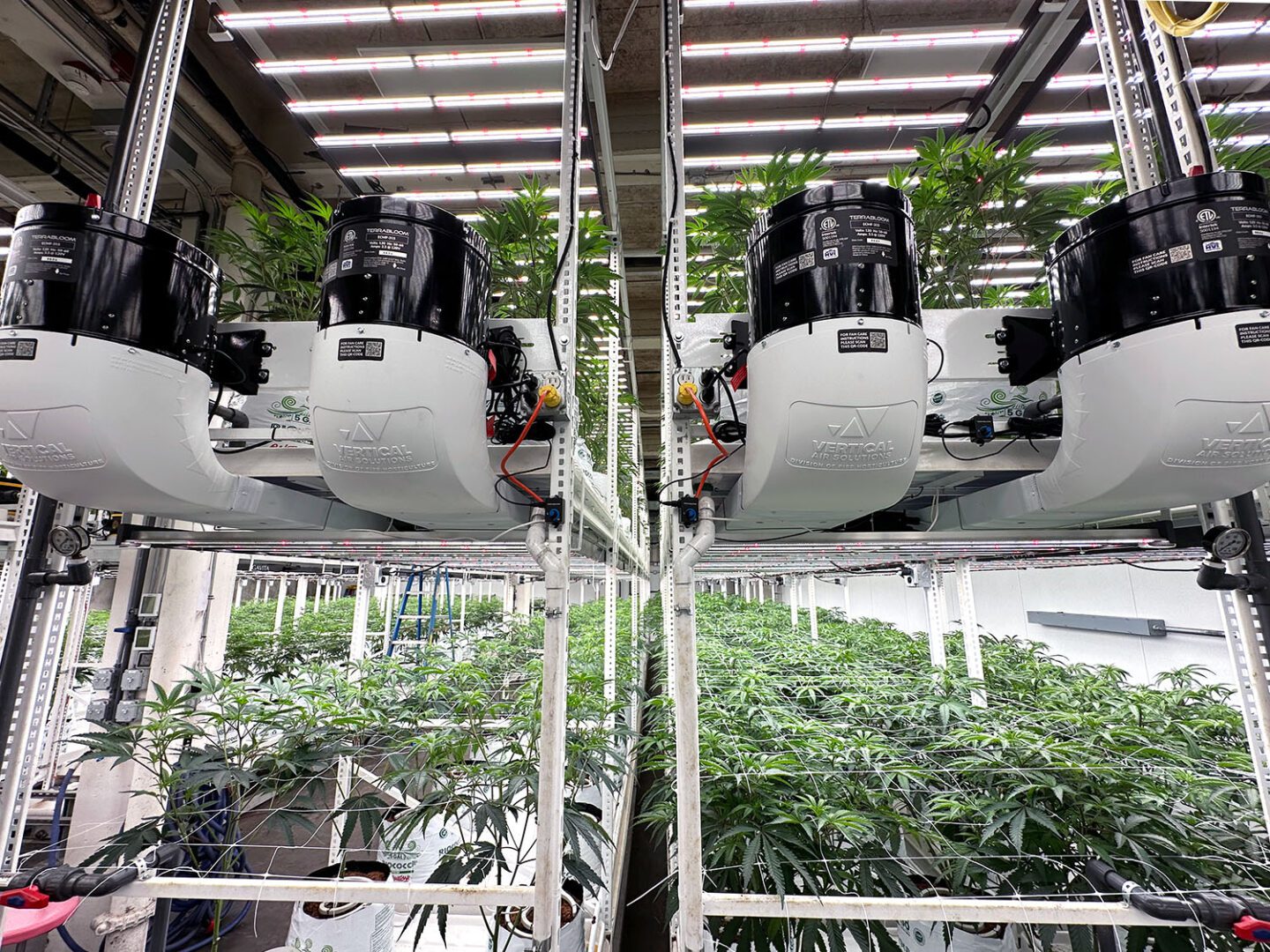
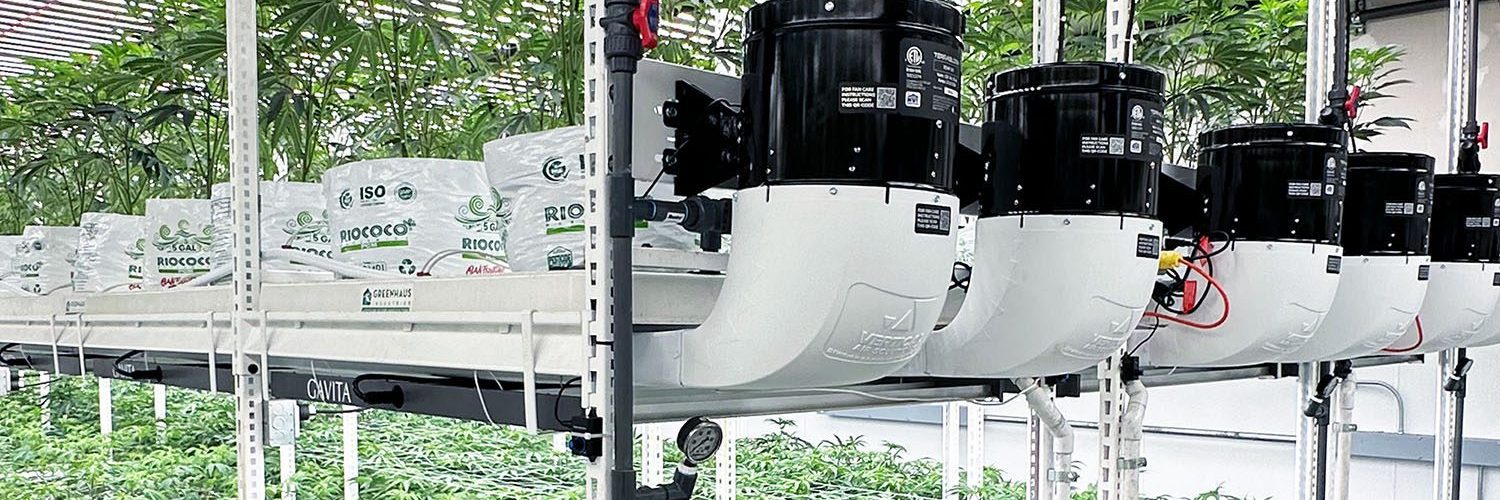
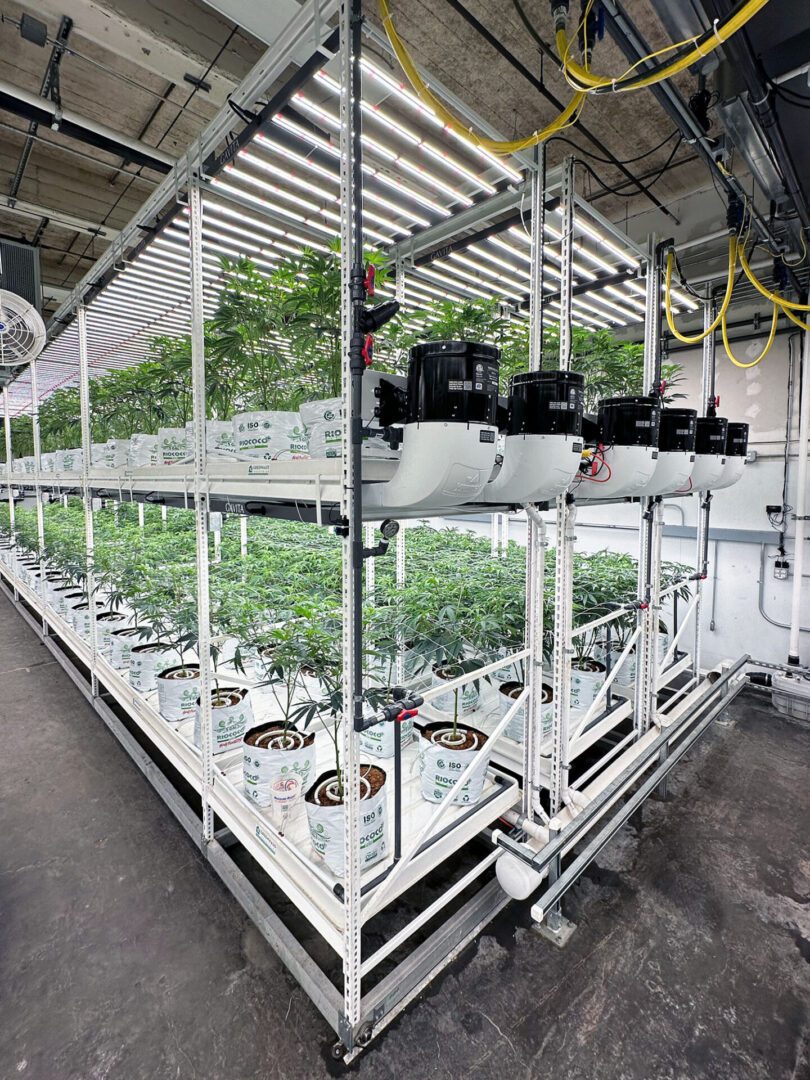
However, airflow is hardly ever coming from one direction in cultivation environments and is instead quite turbulent. Also, in multi-tier grow rooms, cultivators often use a combination of side, bottom-up, and/or top-down airflow systems (like Pipp’s In-Rack Airflow Systems) and can find it difficult to get an accurate airflow reading using unidirectional hot-wire anemometers. Despite coming in at a higher price point and having fewer options available on the market, omnidirectional hot-wire anemometers can measure airflow coming from multiple directions. This makes them ideal tools to measure canopy-level airflow in indoor farms and greenhouse environments.

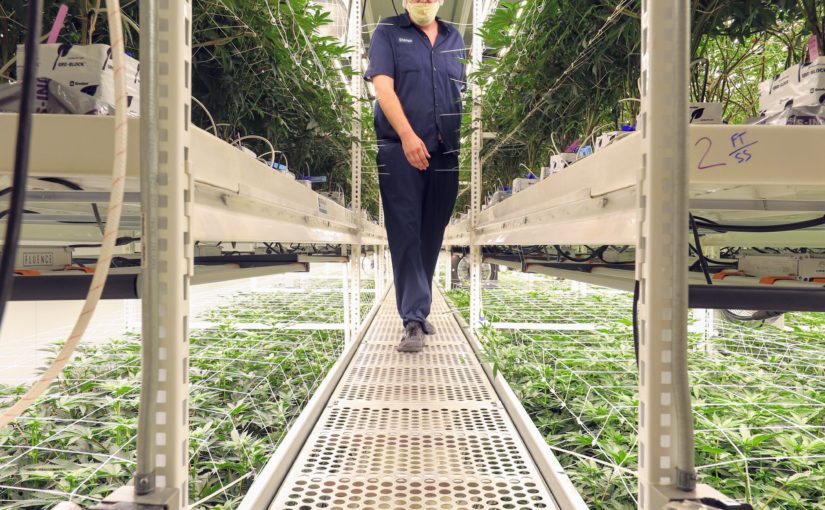
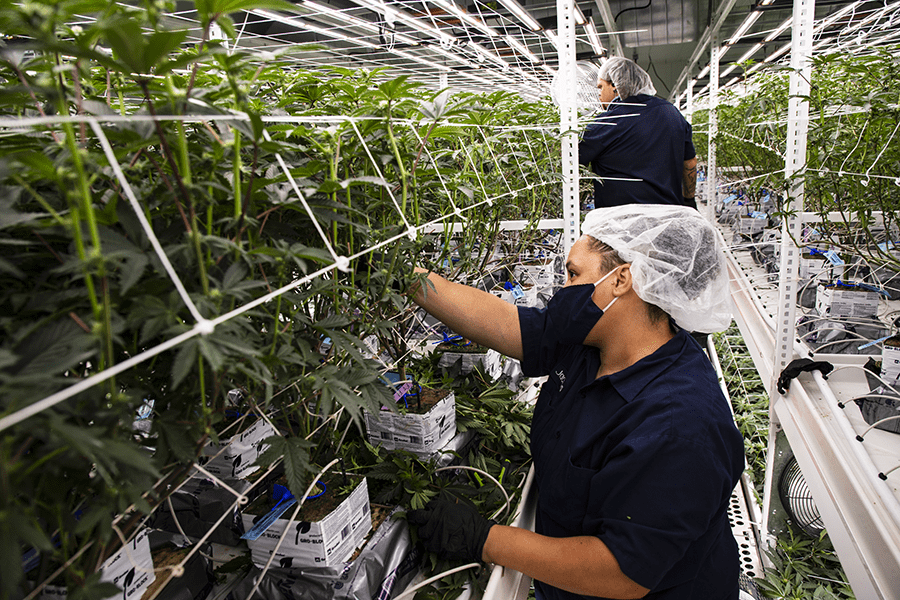
When using either unidirectional or omnidirectional anemometers, operators must take multiple measurements across the top of their plant canopies. By taking measurements at various points in their cultivation areas, growers can map out where the dead zones are and begin to optimize their airflow maps by adjusting fan positioning and intensities. By averaging these multiple readings, growers can determine the room’s plant canopy airflow velocity. This metric can be correlated with other cultivation parameters within the automation and control systems to optimize their cultivation strategies.
Beyond Dancing Leaves: Quantifying Cultivation Airflow

Airflow Sensors

Growers whose automation and control systems can measure and data log airflow can install air velocity sensors within and around their plant canopies to get a true understanding of how air moves through their crop.

Airflow sensors require some labor to install and commission but offer the most in-depth insights into intracanopy air movement. Similarly to measuring air velocity with handheld hot-wire anemometers, it is important to place sensors in different locations in cultivation rooms to get a better sense of the room’s airflow, including at different heights within the canopy and across all grow tiers.

Key Takeaway

By moving beyond subjective readings like leaf-dancing that leave a lot of room for interpretation and adopting strong quantitative data collection and analysis practices, growers can not only build optimized, resource-efficient facilities but can also gain peace of mind that they are doing everything they can to grow healthy, productive crops.

For more tips on measuring airflow, be sure to head to Pipp’s YouTube page and see Fog City Farm’s James Cunningham explain how to use an environmental meter. You can also check out our other vertical farm optimization videos on our main channel.

Air Velocity vs Air Volume

Air Velocity
Air Volume

Definition

The distance air travels in a given amount of time (i.e. how fast the air is moving per unit of time).

The amount of air flowing past a specific point in a given amount of time (i.e. how much air is moving past or through a specific point per unit of time).

Units of Measurement

  • feet per minute (ft/min)
  • meters per second (m/s)
  • miles per hour (mph)
  • kilometers per hour (kph)
  • cubic feet per minute (CFM)
  • cubic meters per hour (m3/hr)
  • liters per minute (l/min)

Examples of how it is used in Indoor Cultivation

  • Measuring the air speed across or within your plant canopy.

  • Assessing the effectiveness and distribution of your airflow systems in maintaining a consistent environment.

  • Determining the air exchange rate of your grow room
  • Validating the capacity and flow rates of your HVAC and airflow systems

Get a FREE Grow Consultation

Season 2 | Episode 23: Insights from Spannabis & Beyond

Season 2 | Episode 23: Insights from Spannabis & Beyond

Episode 23

Summary:

  • Spannabis Experience: Anders shared his personal experience at Spannabis, highlighting the vibrant social club scene in Barcelona and the excitement around cannabis culture and legalization. They particularly enjoyed the hash scene, with notable mention of Piatella Hash and its unique curing process.
  • International Travel and Awareness of Pipp Horticulture: Anders discussed his surprise at the international recognition of Pipp, indicating that many attendees were familiar with the brand. They also mentioned their upcoming presence at events in Europe, inviting cultivators to engage with them.
  • Concerns about Pathogen Spread Through Seeds: There was a discussion about the spread of pathogens and viruses through seeds, emphasizing the importance of responsible breeding practices and testing to prevent the transmission of diseases.
  • Quality of Exhibits at Spannabis: The conversation touched on the impressive quality of exhibits at Spannabis, noting the elaborate and stylish booths, which reflected the sophistication of the European cannabis industry.
  • Comparison with Other Cannabis Events: Anders and Michael compared Spannabis to other cannabis events like MJBizCon and Canna Fest, highlighting differences in atmosphere, attendee engagement, and the quality of conversations with growers.
  • Upcoming Events and Engaging with Pipp Horticulture: Michael and Anders discussed their plans to attend upcoming events in Europe and encouraged listeners to engage with them at these events, promising informative discussions about cannabis cultivation.

If you are a grower looking to optimize your cultivation facility or anyone looking to cultivate more in less space, then this is the show for you. Each week, join Host Michael Williamson as he travels across the country, to explore the world of vertical farming and the future of cannabis and food production through his conversations with leading industry operators, growers and executives who are demonstrating success and resilience as growers and cultivators. Each episode provides stories and key insights that will inspire and show you first-hand, how each of these companies have overcome challenges, and found their own path to success.

Get a FREE Grow Consultation

Episode 21: StackHouse – Grower Built From the Bottom Up

Episode 21: StackHouse – Grower Built From the Bottom Up

Episode 21 Grower Built From The Bottom Up

Summary:

In this episode we meet the StackHouse team and unpack the essence of creating a solid cannabis cultivation team. Quality, quantity, consistency, and efficiency are the pillars of success we focus on, and how they are profoundly influenced by company culture and employee satisfaction. Discover the importance of transparency, equipment maintenance, and the balance between labor costs and product excellence. Our discussion also sheds light on the potential pitfalls of relying too heavily on machinery, emphasizing the need for skilled technicians and the delicate act of maintaining a positive work environment.


Our conversation turns to the art and science behind phenotype genetics, racking, and moisture management in cannabis cultivation. We take a closer look at nursery layouts, the strategic placement of mother plants and clones, and the decision-making process behind pot sizes for optimal flowering. Hear about the challenges of managing moisture content in buds, especially in Nevada's arid climate, and how this impacts both testing results and customer satisfaction. We also highlight the strong culture of empowerment and education at StackHouse, demonstrating how a unified team approach can lead to commercial success and quality production. Don't miss this engaging episode from the heart of Las Vegas, where innovation meets tradition in the quest for cultivating excellence.

(00:02) Vertical Farming for Cannabis and Food

(15:08) Creating a Successful Cannabis Cultivation Team

(21:19) Phenotype Genetics, Racking, and Moisture Management

(34:06) Stackhouse

(38:19) Challenges and Innovation in Cultivation Facilities

(48:09) Team Culture in Cannabis Cultivation

(59:45) Indoor Cannabis Cultivation

(01:08:27) The Importance of Quality Cannabis Production

"I'm not addicted to cannabis. I'm addicted to growing cannabis. That's what's addictive. The side effect is just the good sweet herb, but the growing it, that's super addictive because it's just, it never stops, it's something new every day."

"We need to, as a team, have the way we do things. It happens to be very much influenced by my way, but it's not my way. I'm very open to adjusting things that make sense, but there needs to be a way or the way we do things."

"To do it at scale and to keep a team involved and keep success and pass rates of testing, that becomes more tricky consistently."


Show Links

Pipp Horticulture Website 

Pipp Horticulture YouTube 

Pipp Horticulture - Facebook 

Pipp Horticulture Instagram 

Pipp Horticulture LinkedIn 

Pipp Horticulture Pinterest 

Pipp Horticulture Twitter 

This podcast uses the following third-party services for analysis: Chartable - https://chartable.com/privacy

Get a FREE Grow Consultation

Dispensary Storage: What You NEED to Know

Dispensary Storage: What You NEED to Know

Dispensary Storage

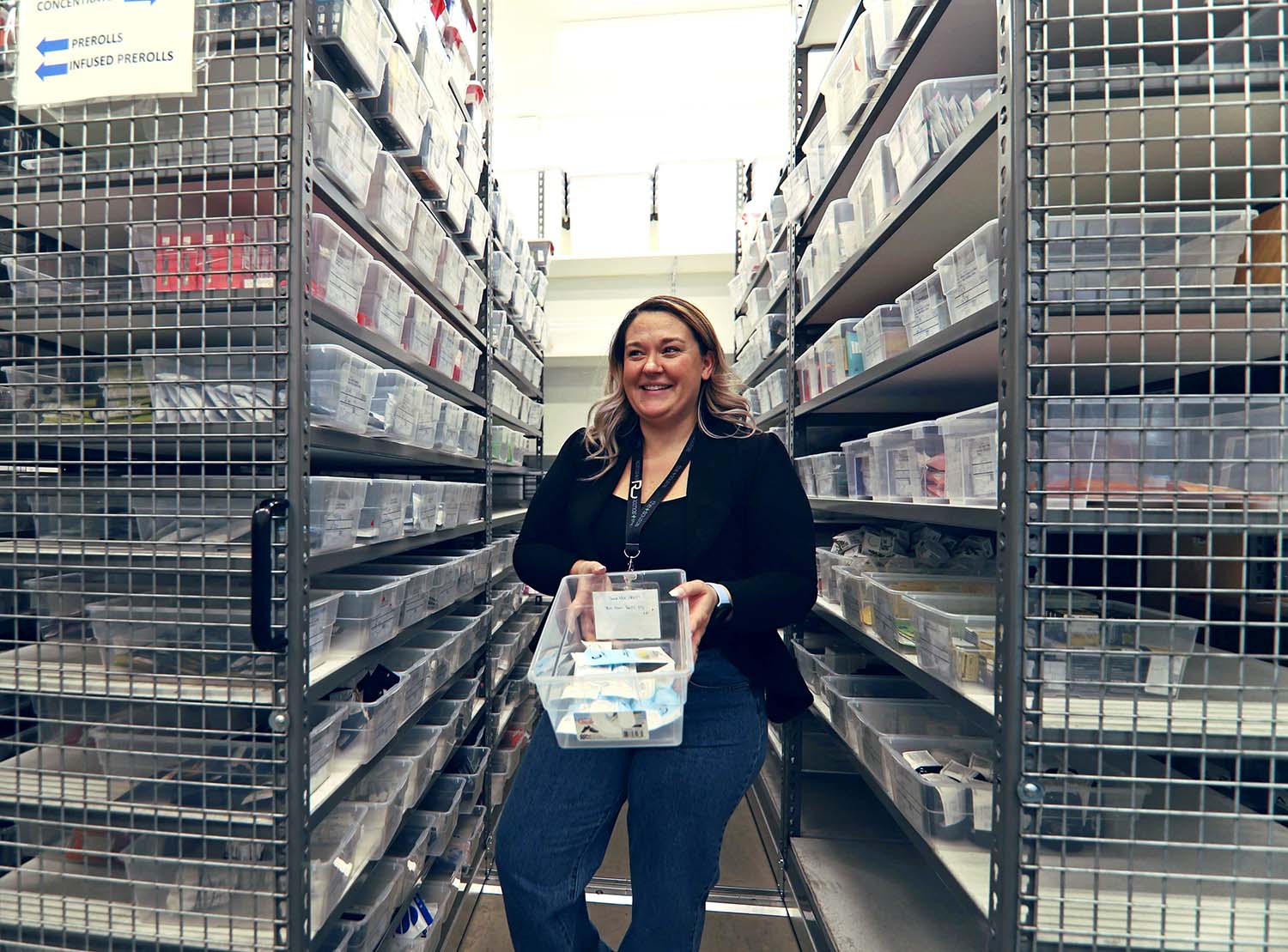
Dispensaries play a critical role in the Cannabis Industry. They are the final mile on a long road of the cultivation journey. This is where the brand is put on full display for the eager consumer to see and experience. Today’s dispensaries are a thing of beauty with many having unique visual experiences, high-end display cases with an overall feel of ease and comfort for the shopping experience.


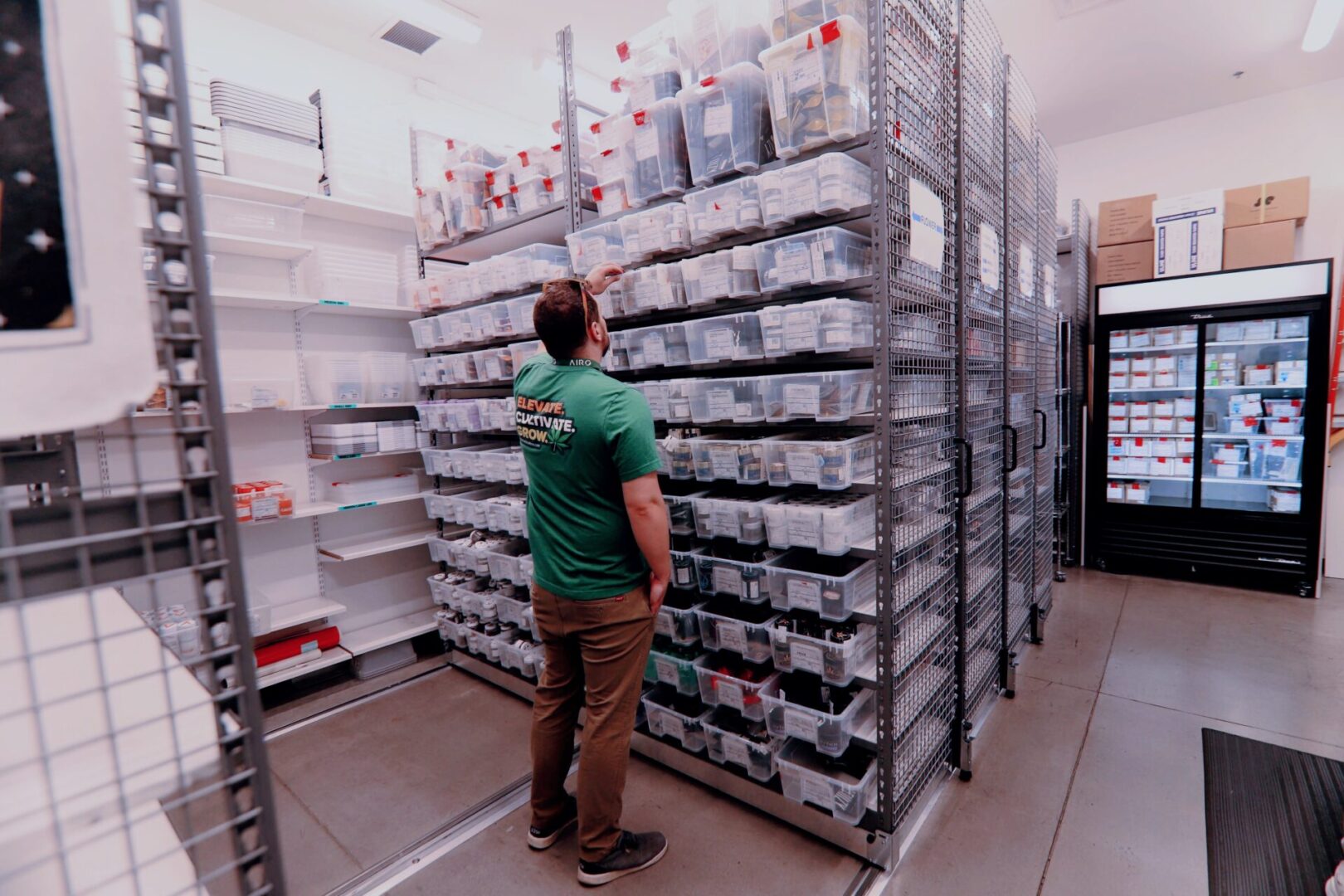
In order to properly serve the clientele, each of these locations must have a stockroom to store adequate inventory for consumer purchases. Although stockrooms are typically out of customer sight, having a clean, well-organized, well-functioning and regulatory compliant storage area is essential to the day-to-day operations of the retail dispensaries.
Pipp Mobile Storage Systems, the parent company of Pipp Horticulture, has deep roots specializing in providing a variety of storage solutions and applications. For the past forty years we have been servicing the needs of major national retail brands throughout the world. Providing cost-effective, high capacity, high density storage applications for a variety of consumer products.

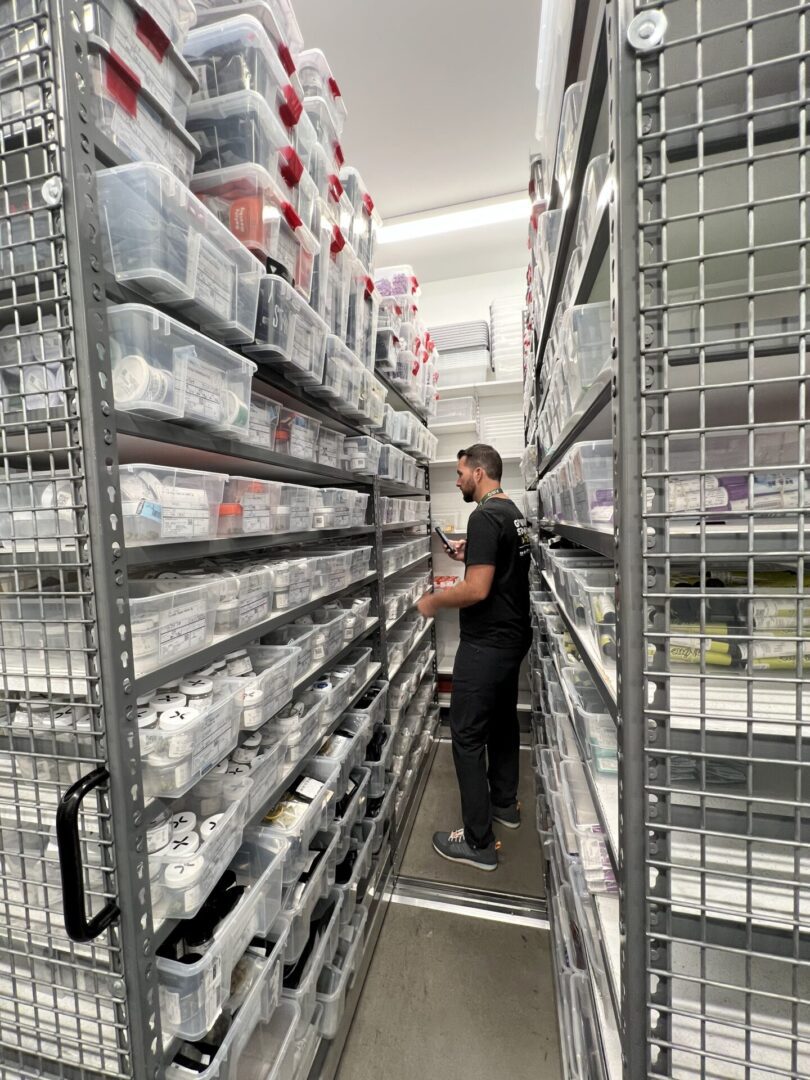
Pipp’s space saving storage solutions can provide one of several major advantages for your dispensary.   With our high-density storage solutions, we can increase the overall SKU count that you need to inventory to fulfill customer demand.  In many cases we can achieve upwards of a 30-50% increase in storage capacity.   If increasing the SKU count is not a concern for you, we can also increase the storage capacity in a smaller footprint.   With a smaller allocation to finished products this could allow for more front-of-house retail space for the shopping experience.   Lastly, it may also allow you to consider locations with a smaller overall footprint.

Proper Dispensary Storage:

Proper dispensary storage is not just a matter of convenience; it is a matter of compliance and quality assurance. Understanding the importance of storing cannabis products correctly is crucial for maintaining their potency, shelf life, and integrity.

Complying with regulatory standards is non-negotiable in the cannabis industry. Health and safety regulations vary, but they generally cover temperature control, security, and labeling requirements. Failure to adhere to these standards can lead to serious consequences, including fines, suspension, or even revocation of licenses.

Proper storage is essential for preserving the quality of cannabis products. Factors such as light exposure, humidity, and temperature can significantly impact the potency and overall effectiveness of cannabis. By storing products in ideal conditions, dispensaries can ensure that their customers receive products with optimal quality and potency.

Potential Risks of Improper Storage:

Improper storage of finished cannabis products can have several negative consequences that dispensaries should be aware of.  There are three major areas of concern that should be taken into consideration, these include light exposure, humidity levels and room temperature.

Exposure to light can degrade the potency of cannabis. Ultraviolet (UV) rays from both natural sunlight and artificial light sources, such as fluorescent bulbs, can break down the cannabinoids and other compounds in the plant, resulting in loss of potency and effectiveness.

Improper humidity levels can also affect the quality of cannabis. Moisture can promote the growth of mold, mildew, and bacteria, which can not only compromise the potency of the product but also pose health risks to consumers. Additionally, if cannabis is stored in an environment that is too dry, it can become brittle and lose its flavor and aroma.

Lastly, fluctuations in temperature can have a significant impact on the integrity of cannabis products. Extreme heat can cause cannabinoids to degrade, while extreme cold can lead to crystallization, which affects the texture and overall quality of the product.

Choosing the Right Storage Solution for your Dispensary:

Pipp Mobile has a variety of storage solutions to meet the space allocation of your dispensary location.   We can offer traditional static / non-moving shelving, as well as our mobile storage solutions.   We have systems to meet most of the space allocations and storage challenges that may arise.  

While mobile storage shelving will provide the best use of the space and provide the increased storage capacity you may be looking to achieve, sometimes the space allocated for storage is not suitable.   In those instances, we can provide standard non-moveable fixtures in both a four-post shelving configuration or wall mounted standards and brackets.   All our options have the capability to maximize the shelf clearances to match your storage bins / box needs in both height and depth.

No matter which system you choose they will all allow you to follow any regulatory guidelines that may be required for your jurisdiction.  

Organizing your Inventory:

Organizing and labeling your inventory is an essential aspect of dispensary storage. By implementing effective organization techniques, you can streamline your inventory management process, improve efficiency, and ensure that your products are easily accessible.

One effective way to organize your inventory is by categorizing your products. Consider grouping your cannabis products based on their type or category, such as flower, edibles, concentrates, etc. This will make it easier for your staff to locate specific items and restock inventory.

Additionally, labeling your products is crucial for maintaining accuracy and preventing any mix-ups. Ensure that each product is clearly labeled with its name, potency, and any relevant information, such as THC and CBD levels. You can also consider utilizing barcode systems or inventory management software to further enhance your labeling process.

Furthermore, implementing a first-in, first-out (FIFO) system can help prevent any product expiration and ensure that older inventory is utilized before newer stock. This can be achieved by organizing your storage area in a way that allows for easy access to older products.

Utilizing Pipp Mobile’s storage solution can help you achieve and implement effective organization and labeling techniques, which will not only optimize your storage space but also provide a seamless shopping experience for your customers.

Security Measures:

Implementing strict security measures is crucial for protecting your dispensary inventory. As a cannabis dispensary, you must prioritize the safety and security of your products to prevent theft and ensure compliance with regulations.

Investing in a reliable security system is an essential step. This includes installing surveillance cameras in strategic locations, such as entrances, exits, storage areas, and point of sale terminals. Make sure the cameras have high-resolution capabilities and are monitored 24/7 to deter potential thieves.

Additionally, consider implementing proper access control measures. This can involve using electronic keycards or biometric systems to restrict access to authorized personnel only. Secure storage cabinets or safes can also be used to protect high-value products, ensuring that only authorized staff members have access.

It’s also important to train your staff on security protocols and procedures. Educate them on recognizing and reporting any suspicious activity, as well as implementing employee ID badges or uniforms to easily identify staff members.

Most dispensary storage rooms or vaults are secure at the room entry, however if needed Pipp’s mobile storage solutions can include additional security measures such as enclosed panels and locking mechanisms to secure the entire area of mobile storage when in its condensed state.  In addition, to these measures we also have individual storage units that come in lockable and enclosed cabinets for those items needing some extra security within the storage room.

By implementing these security measures, you can create a safe environment for your inventory and give your customers peace of mind when shopping at your dispensary. Stay tuned for the next section, where we will discuss additional tips to optimize your dispensary storage space.

Maintenance and Cleaning Routines:  

Maintaining a clean and organized storage space is essential for the efficient operation of your cannabis dispensary. Regular maintenance and cleaning routines not only contribute to the overall cleanliness and appearance of your dispensary, but they also help ensure the quality and safety of your products.

Implementing a system for organizing and labeling your products to maximize storage space and make it easier for staff members to locate specific items. Use clear storage containers or bins and consider implementing a color-coding system to further enhance organization.  This can be sourced on your own or Pipp can provide a turn-key storage solution and can source products to match your needs.   Pipp have a vast supply chain from our forty years of business and are more than happy to provide you with our one stop shop experience.

Remember to train your staff on the importance of regular maintenance and cleaning tasks. Assign specific responsibilities and hold regular training sessions to ensure everyone is aware of proper cleaning procedures and understands their role in maintaining a clean and organized storage area.

By prioritizing regular maintenance and cleaning routines, you can create a welcoming and professional environment for your dispensary while ensuring the quality and safety of your products. Stay tuned for the next section, where we will discuss tips for optimizing your dispensary’s inventory management.

Pipp’s high density storage solutions are virtually maintenance free.   Much like the rest of the facility some routine maintenance is good to help maintain the life of the system.   Keeping the floor mounted tracks, the mobile shelving rides along clean and debris free will help eliminate any issues that could arise.

Training Staff on Proper Storage Procedures:

As a cannabis dispensary owner / manager, it is crucial to train your staff on the proper storage procedures to ensure the integrity and quality of your products. Your employees should be well-versed in handling and storing cannabis products, as well as maintaining a clean and organized storage area.

Start by providing comprehensive training sessions that educate your staff on the importance of proper storage techniques. This should include information on temperature control, humidity levels, and the proper handling of different product types. Emphasize the significance of adhering to specific storage requirements outlined by manufacturers and regulatory bodies.

Additionally, create clear guidelines and protocols for your staff to follow when organizing and labeling products. This ensures consistency and efficiency in locating items, preventing mix-ups or product spoilage.

Utilizing Pipp’s high density storage solutions takes little training and should fall within the guidelines established for the rest of the store.   It is important to be conscious of others utilizing the system when moving the shelving along the tracks.  In addition, it is typically recommended to move one shelving bay at a time to ensure the staff is not trying to move too much weight and create undo stress on the system.

Tracking Inventory:

Monitoring and tracking inventory is an essential aspect of dispensary storage management. By implementing a robust system for inventory management, you can ensure accurate stock levels and effectively track product movement.

There are various inventory management tools and software available that can streamline this process. These tools allow you to easily monitor stock levels, track sales data, and generate reports for better decision-making. By utilizing these solutions, you can avoid overstocking or understocking products, minimize loss due to expired items, and improve overall efficiency.

Regularly conducting physical inventory counts is also crucial in verifying stock accuracy. This process involves physically counting and reconciling the actual stock levels with what is recorded in your system. By doing this regularly, you can identify any discrepancies and take appropriate action.

Effective inventory management not only helps you keep track of your products, but it also facilitates better customer service. By having accurate records of stock levels, you can provide accurate information about product availability to your customers, reducing any disappointment or frustration.

Implementing an efficient inventory management system is a vital step in ensuring the smooth operation of your dispensary and delivering a positive experience to your customers.

Conclusion:

Storage may be one of the last thoughts when planning out your dispensary, but it is a crucial part of the overall business plan and can play a significant role in the success of the operation.   There are many things to consider while planning out this piece of the business.   

Pipp strives to make this piece of the plan as easy as possible.  Pipp’s reputation in the storage industry is second to none and our long history of successful installations with hundreds of national retailers has positioned us well to help you take your storage goals to fruition.

Pipp Mobile has a staff of highly knowledgeable team members that can talk you through any concerns you may have and provide different solutions based on your unique challenges.  We have an in-house design team that will provide fixture layouts of your allocated space, along with renderings of your shelving selection to illustrate the solutions we are presenting.  

We will provide a capacity analysis showing the increased capacity gains achievable through the use of our high-density storage solutions, along with a no-obligation turnkey quote.  Lastly, our retail storage solutions offer a 10-year warranty on the products to allow for worry-free use of our products.

Get a FREE Grow Consultation

Episode 20: Roots in the Past, Flowers of the Future Pt 2

Episode 20: Roots in the Past, Flowers of the Future Pt 2

Roots In The Past Flowers Of The Future

Summary:

Ever wondered how a second-generation farmer navigates the foggy world of California's cannabis industry? Join us as we traverse through the world of cannabis cultivation. Our guest, a seasoned grower with roots deep in the industry, shares his unique experiences and insights. Together, we unfurl the cultural influences that shape the success of cannabis operations and the unique challenges and opportunities that coastal California farming presents.

We share our own personal journey in cannabis cultivation, touching on genetics, managing light intensity, and the undeniable benefits of having a genetic library. We even discuss our unique cultivation process involving the use of greenhouses for vegging. We underscore the importance of brand-building; after all, consistency and loyalty are achieved through smaller batch production. Learn about our relentless pursuit of improvement in flower quality and the vital role that quality control and sorting processes play. So why wait? Tune in and let's grow together.


Trust us, you wouldn't want to miss it!

() California's Cannabis Consumption and Business Models

() Unrealistic Expectations in California Market

() Family-Owned Farming and Distribution

() Creating a Regionally-Based Brand

() Genetic Considerations in Cannabis Cultivation

() Importance of Airflow in Vertical Farming

Guest Resources

Website

Instagram

Show Links

Pipp Horticulture Website 

Pipp Horticulture YouTube 

Pipp Horticulture - Facebook 

Pipp Horticulture Instagram 

Pipp Horticulture LinkedIn 

Pipp Horticulture Pinterest 

Pipp Horticulture Twitter 

This podcast uses the following third-party services for analysis: Chartable - https://chartable.com/privacy

Get a FREE Grow Consultation

Why the VAS 2.0 Is the Best Airflow System for Your Vertical Farm

Why the VAS 2.0 Is the Best Airflow System for Your Vertical Farm

VAS 2.0 Airflow System

The Future of Airflow Technology

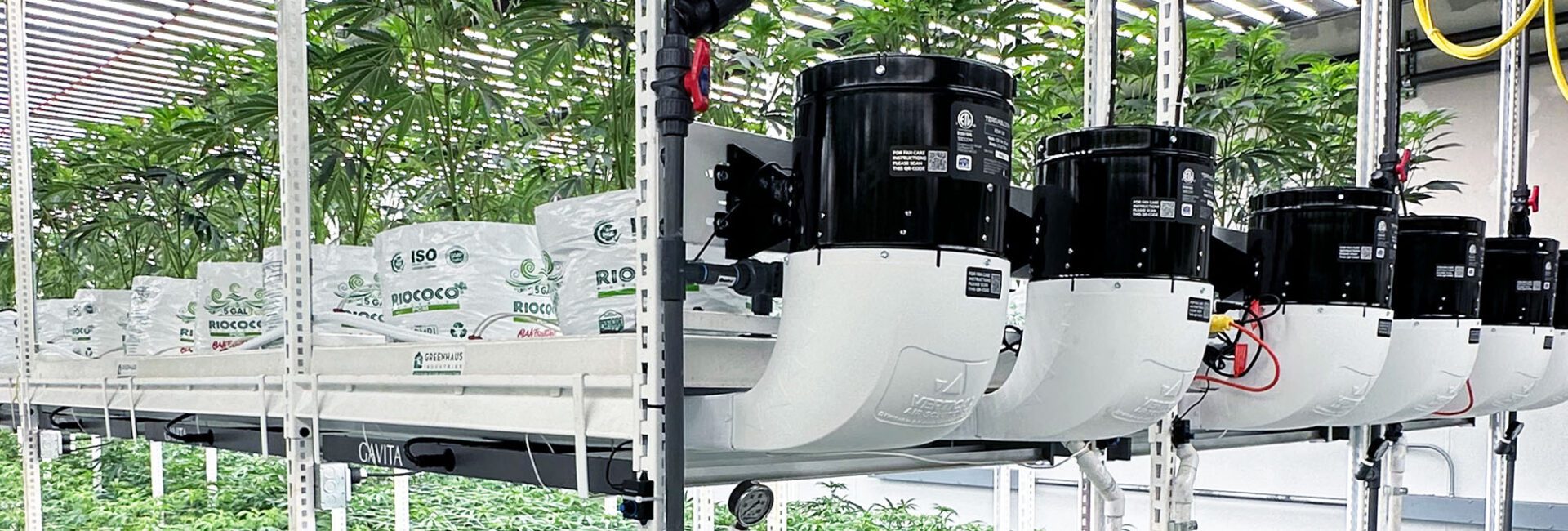
In vertical farming applications, effective and consistent airflow is crucial for your crops to thrive. Many of the airflow solutions available today, such as fixed or oscillating fans, provide uneven air movement or fall short of delivering adequate air velocities. Vertical Air Solutions 2.0 system was designed to solve this problem with a wide range of consistent air speeds for any crop while working hand-in-hand with your HVAC system. The first purpose-built in-rack air circulation system of its kind, the VAS 2.0 was developed by growers, for growers. Here’s an in-depth look at why the VAS 2.0 system is the best choice for your vertical farm and how this innovative technology can boost the performance of your crop.

Why Airflow is Crucial in Vertical Farms

In vertical farming, the cultivation of crops in stacked layers elevates the risk of microclimate development. Microclimates, small areas with differing temperature, humidity, and CO2 levels, can be detrimental to plant growth. Air circulation mitigates microclimates, ensuring uniform growth across all layers and maintaining favorable conditions.

Without proper airflow, your plants will not be able to photosynthesize at their optimal rate therefore reducing overall crop quality and yield. Airflow facilitates gas exchange at the leaf surface, allowing the plant to take in more carbon dioxide (yield), release oxygen, and move transpired water vapor away from the stomata to maintain a vapor pressure deficit. Furthermore, air circulation helps to control pests and pathogens from attacking your crops by creating an unfavorable environment for them to flourish. 

While all of the parameters for plant growth are important, airflow is the equalizer that balances and ties everything together. Oftentimes, airflow is the greatest limiting factor to plant growth in vertical farms, but that has now become a thing of the past with the introduction of the new VAS 2.0 air circulation system by Pipp Horticulture.

Why Choose Vertical Air Solutions?

As pioneers in in-rack airflow technology, Vertical Air Solutions leads the industry with hundreds of successful installations worldwide. . Our products have the unique ability to deliver consistent, yet an easily adjustable amount of airflow over the entire plant canopy at all grow levels.  Top producers globally have seamlessly integrated VAS into their vertical grow platforms to ensure optimal plant health.

The VAS 2.0 Offers Innovative Technology

The latest innovation in airflow systems by Vertical Air Solutions has arrived. In the 2.0 version, each component has been fully redesigned and improved. The VAS 2.0 delivers the highest air velocities possible while maintaining consistent performance across varying row lengths.

New materials and construction methods were carefully chosen to reduce costs and make installation hassle-free, all without sacrificing quality. With highly adjustable configurations, this system was designed to meet the airflow needs of your crop.

The VAS 2.0 allows for the purest possible airflow and is visually appealing and discreet. This system is easy to install and fits a wide range of rack lengths and canopy spacing. It delivers the airflow your plants need to thrive while saving valuable space in your vertical farm.

Benefits of the VAS 2.0 System

There are many benefits to integrating the VAS 2.0 system. Here are some of the ways this technology will improve your vertical farm:

  • Increased Consistency: Stabilizes environmental factors such as temperature, humidity, and CO2 levels for increased growth rates and consistent yields. 
  • Enhanced Crop Health: More consistent environmental conditions help promote plant growth while decreasing the risk of mold and disease. 
  • Vertical Airflow: Strategic vertical airflow can ensure uniform temperature, humidity, and CO2 throughout your entire grow space.
  • Space-Saving Design: Our new system is compact and sleek. With the thinnest form factor on the market, it fits seamlessly into most vertical racking systems while providing superior performance.
  • Increased savings: This energy-efficient system maximizes air circulation while minimizing power consumption, making it cost-effective and sustainable.
  • Customizable Control: Our system is highly adjustable, so you can tailor the airflow to meet your plants’ unique needs.
  • Dependability: Invented and field-tested by growers, this system is proven and reliable.

In conclusion, the VAS 2.0 system stands as the pinnacle solution for ensuring the success of your vertical farm. With its innovative technology, dependable performance, and an array of benefits, the VAS 2.0 system assures healthier and more consistent crop yields. Moreover, this system’s reliability is backed by its development and field-testing by growers, guaranteeing dependable performance. Embrace this cutting-edge in-rack airflow system and witness your vertical farm flourish like never before. 

Before After
Before After

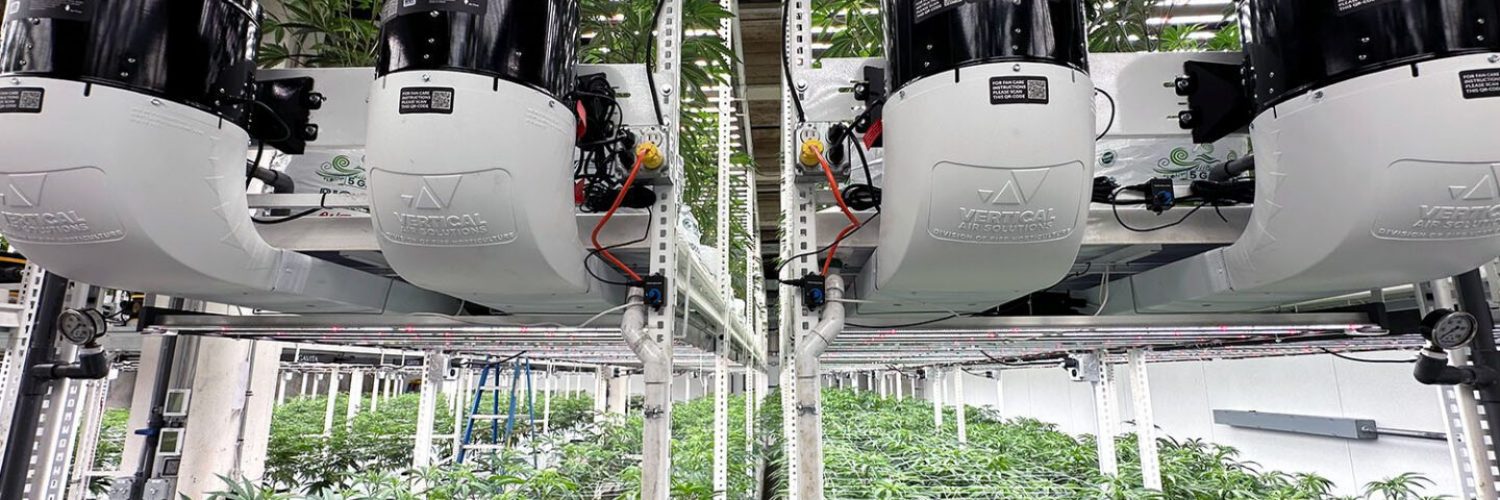
(Left) Original VAS System   |   (Right) VAS 2.0 System

Get a FREE Grow Consultation

Vertical Air Solutions Launches VAS 2.0: Revolutionizing Vertical Farming

Vertical Air Solutions Launches VAS 2.0: Revolutionizing Vertical Farming

VAS 2.0 | Airflow System

FOR IMMEDIATE RELEASE

Vertical Air Solutions Launches VAS 2.0: Revolutionizing Vertical Farming with the next generation of Innovative In-Rack Airflow System


[Walker, MI, October 26, 2023] – Vertical Air Solutions, a pioneer in the indoor vertical farming industry is proud to announce the launch of its groundbreaking product, VAS 2.0. This innovative system represents a significant leap forward in the world of vertical farming, offering growers a more efficient and cost-effective solution for optimizing plant growth.


Vertical Air Solutions’ patented In-Rack Airflow System, designed by growers for growers has set a new standard for uniform, top-down airflow in multi-layered rolling rack platforms. The arrival of VAS 2.0 brings a host of improvements, making it the definitive choice for any vertical farm looking to achieve consistent crop yields, enhance crop health, and save valuable space.


The Power of VAS 2.0:

The new VAS 2.0 offers increased consistency, mitigating microclimates and homogenizes environmental conditions, ensuring consistent Vapor Pressure Deficit (VPD) and steady growth rates. By maintaining even leaf temperatures and facilitating gas exchange, VAS 2.0 promotes transpiration and photosynthetic rates, leading to healthier and more robust crops.


Strategic vertical airflow ensures uniform temperature, humidity, and CO2 levels throughout the grow space, optimizing a crop’s potential. The compact and sleek system integrates seamlessly into most vertical racking systems. It features the thinnest form factor on the market while providing superior performance.

The modernized version also offers cost savings and sustainability with the energy-efficient system that maximizes air circulation while minimizing power consumption. Consumers can tailor airflow meet their plants’ unique needs with adjustable fan speeds and a modular system design.


VAS 2.0 is not just a product; it’s a solution developed by growers who understand the importance of reliable, consistent performance.


Key Features of VAS 2.0:

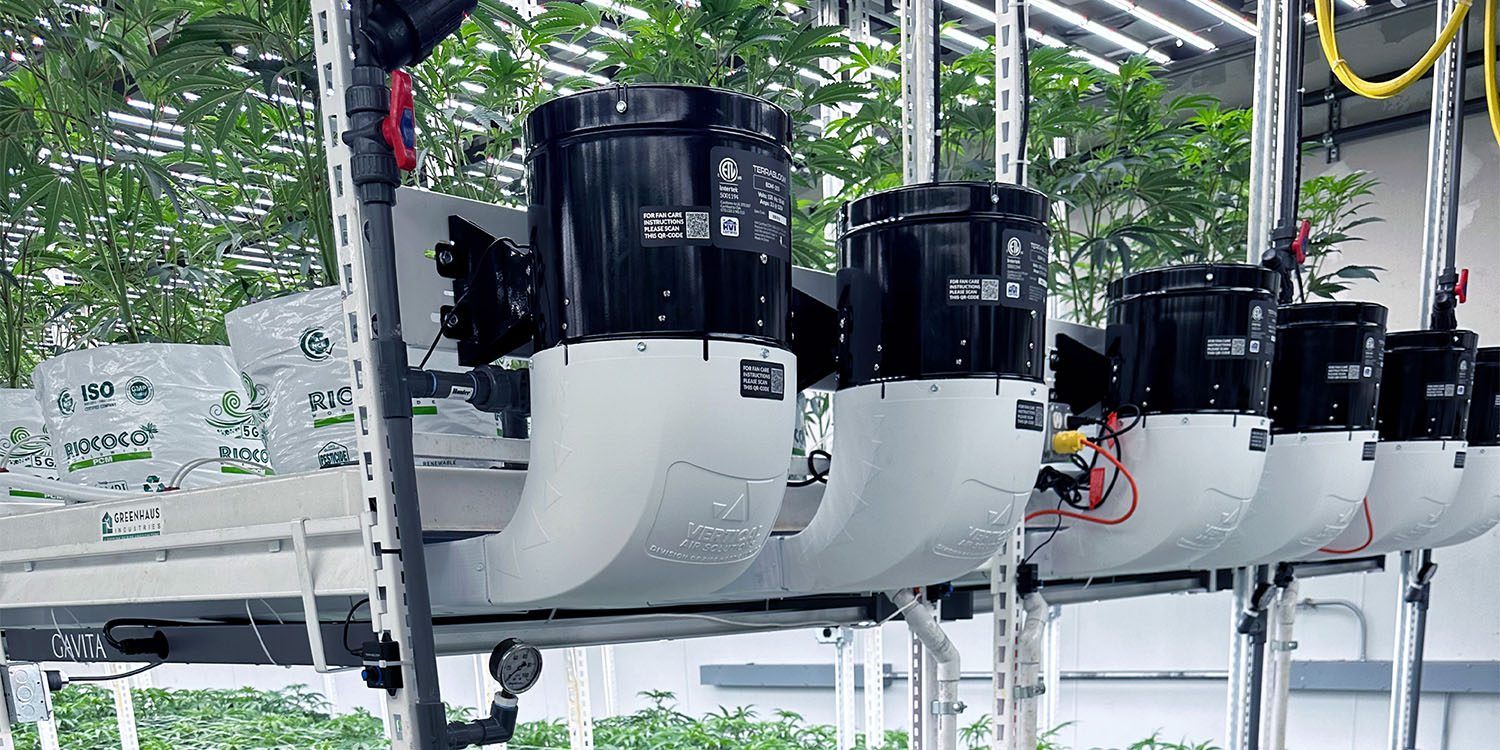
EC Inline Fans reduce power consumption and allow for granular adjustment of air velocity, ensuring efficiency and cost savings. It offers maximized fan performance and reduction of duct turbulence improving airflow with its dual lofted plenum design. The corrugated polypropylene ducts make it humidity-resistant and compatible with common cleaning chemicals.


Not only is the system more efficient, but it also has improved construction with pre-sealed edges and secure duct connections that virtually eliminate air leakage, ensuring the integrity of your system. It works in any space thanks to the thinnest form factor on the market, reducing overall system height.

VAS 2.0 is pressure balanced, providing equal flow front-to-back and side-to-side at variable row lengths, improving the exit angle and overall performance.


The optimized duct dimensions increase flow rates and duct velocities, optimizing efficiency while fan mounting brackets offer precise mounting height of the system and adjustment of duct spacing, ensuring flexibility and adaptability.


The new version features an improved circular hole pattern ensures maximum air dispersion, throw distance, and velocity, optimizing your crop’s environment. The duct is lightweight, ships flat, and features a pop-up design for easy installation, reducing installation time and complexity.


Vertical Air Solutions is excited about the release of VAS 2.0, saying, ” Vertical Air Solutions is committed to continuous innovation and improvement in vertical farming. With VAS 2.0, we are proud to offer a solution that exceeds the needs and expectations of growers worldwide. This system will enable growers to achieve consistent, high-quality crop yields while saving space and reducing operating costs. We believe VAS 2.0 will be a game-changer in the industry.”


Vertical Air Solutions is known for its dedication to improving the efficiency and yield of its customers, along with its commitment to stable and interdependent partnerships in the vertical farming ecosystem. With VAS 2.0, the company is poised to deliver on these promises and set new industry standards for in-rack In-Rack Airflow Systems in indoor vertical farming.


For more information about Vertical Air Solutions and VAS 2.0, please visit https://vertairsolutions.com/.


About Vertical Air Solutions

Vertical Air Solutions leads the business of providing In-Rack Airflow Systems and related products to the global indoor vertical farming industry. With a relentless focus on innovation in improving the efficiency and yield of its customers and an unwavering commitment to stable and interdependent partnerships in its route to market, Vertical Air Solutions positions itself as a responsible, customer-focused, responsive, and politically and socially involved player in the medicinal and recreational cannabis ecosystem.

Get a FREE Grow Consultation

Episode 19: Top Shelf Source of Cannabis News

Episode 19: Top Shelf Source of Cannabis News

Beard Bros Pharms: Top-Shelf Source of Cannabis News

Summary:

Join us on a captivating journey as we share an insightful conversation with the Beard Bros and Anders Peterson of Pip Horticulture, taking you through their remarkable transformation from East Coast cultivators to a beacon of cannabis news in California. Can you imagine the struggle of becoming a trusted source of news amidst a sea of clickbait and noise? We tackle this challenge head-on, candidly sharing our experiences and the unique trials we navigated to solidify our platform in the market.

This episode takes a deep dive into the evolution of cannabis culture on the East Coast, spotlighting the influential role of California and how Hollywood and social media have accelerated its adoption. As we navigate through this discussion, we also tackle the transient aspect of Prop 64 and its potential impact. And if that's not enough, hold tight as we compare and contrast the unpredictability between the cultivation and media sectors of the cannabis industry—two domains that demand constant vigilance with local, state, national, and international news.

As we round off our discussion, we don't shy away from the complexities of social equity in cannabis, the distinct challenges of transitioning from a legacy cultivator to a legitimate business, and the intricate realities of the cannabis industry in various states. We also share the lessons learned from Canada's cannabis industry and the three Ps of success while emphasizing the importance of a sound
facility and a strong brand. So, sit back and get ready to expand your understanding of the cannabis industry with the Beard Bros and Anders Peterson.

Trust us, you wouldn't want to miss it!

  • (04:44) The Rise of Cannabis Industry Reporting

  • (09:54) Building Culture in Emerging States

  • (17:31) Passion in Cannabis Production

  • (32:42) California's Cannabis Industry and Investor Greed

  • (37:08) Limiting Licenses and Balancing Marijuana Supply

  • (44:09) Mismanagement in Canada's Cannabis Industry

  • (47:56) Canada's Impact on the Cannabis Industry

Guest Resources

Website

Instagram

Show Links

Pipp Horticulture Website 

Pipp Horticulture YouTube 

Pipp Horticulture - Facebook 

Pipp Horticulture Instagram 

Pipp Horticulture LinkedIn 

Pipp Horticulture Pinterest 

Pipp Horticulture Twitter 

This podcast uses the following third-party services for analysis: Chartable - https://chartable.com/privacy

Get a FREE Grow Consultation

Episode 18: Thriving & Expanding in the California Cannabis Market

Episode 18: Thriving & Expanding in the California Cannabis Market

Thriving & Expanding in the California Cannabis Market

Summary:

Ever wondered how a vertical cannabis farm operates? Or how to scale from a 20,000 square foot space to a whopping 50,000 square foot multi-tier setup? Take a trip with us to Oakland, California as we explore Oakfruitland, a pioneering cannabis farm co-founded by our guest, Linzi. This episode will open your eyes to the challenges encountered in the building process, the transition to vertical growing, and the secret behind their reputation for unsurpassed canopy management and exquisite quality products.

As Linzi unveils the core business strategies of Oakfruitland, we dig into how lean operations and managing production costs have been instrumental in their success. We'll discuss their plans for expansion, the potential move into the Southern California market, and their mission to make their products available in over 120 dispensaries. Together, we'll explore what the future holds for vertical farming in the cannabis and broader food production industry.

  • 0:00 - Vertical Farming Journey in Cannabis


  • 15:43 - Maximizing Profit and Quality in Cannabis


  • 21:01 - Future Plans and Success Factors

Guest Resources

Website

Instagram

YouTube

Show Links

Pipp Horticulture Website 

Pipp Horticulture YouTube 

Pipp Horticulture - Facebook 

Pipp Horticulture Instagram 

Pipp Horticulture LinkedIn 

Pipp Horticulture Pinterest 

Pipp Horticulture Twitter 

This podcast uses the following third-party services for analysis: Chartable - https://chartable.com/privacy

Get a FREE Grow Consultation

Increasing Your Vertical Farming Canopy – Sozo Health Spotlight

Increasing Your Vertical Farming Canopy – Sozo Health Spotlight

Increasing Your Vertical Farming Canopy – Sozo Health Spotlight

Sozo embraces the most advanced cannabis cultivation technology to create the best recreational and medical marijuana available in Michigan. From the moment Sozo transplants first cuttings, to the moment that their products are enjoyed by the end-user, Sozo’s mission is to take great pride in doing their part to nurture plants. The Sozo family executes meticulous measures produce the finest cannabis products, but doing so in a manner that takes no shortcuts nor ever sacrificing purity and quality. Sozo has a demanding vision of excellence that is imbued in every detail as invested in teams and communities. This vision also directly impacted every aspect of Sozo’s cultivation facility.

The Sozo team had been working with double ended HPS and single tiered grow rooms since its inception. As Sozo grew, they looked for ways to continuously improve and streamline their operations. From then on the Sozo team looked for ways to continuously improve and streamline their operations. This is where the engineers at Pipp Horticulture stepped in. Pipp worked with Sozo to implement Mobile Vertical Racking Systems that created more space in their Detroit cultivation facility. To further improve and create safer grow operations, Sozo added Pipp’s revolutionary ELEVATE Platform System to create a safer environment for servicing the second level. The results after implementation were simply astounding.


Pipp helped Sozo grow more with their vertical farming solutions by creating 24,824 sq ft.  of canopy and increasing yields by 70%. Learn more:


Get a FREE Grow Consultation