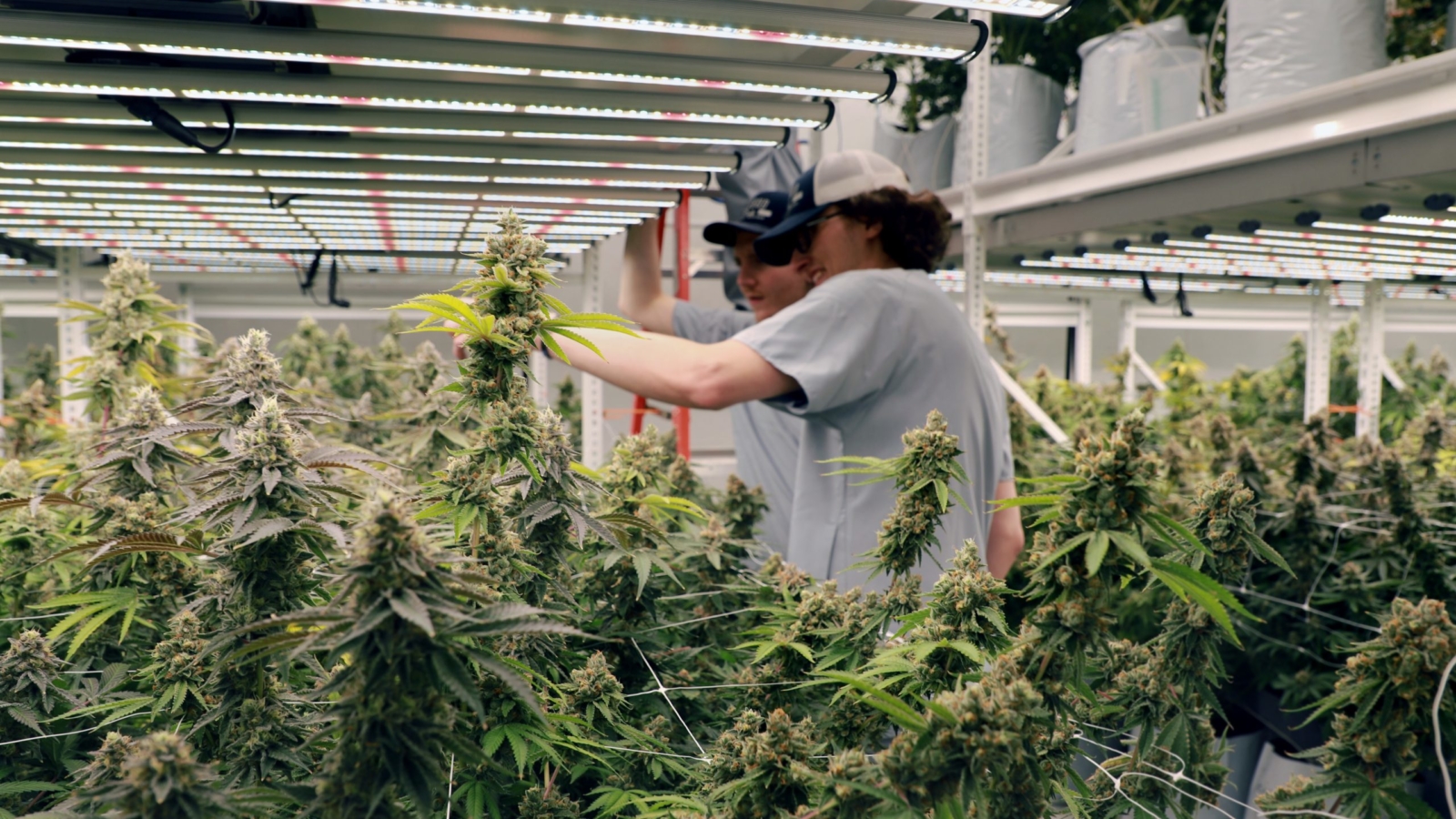
Sanitizing and Cleaning the Cannabis Grow Room: Part II Plants & Substrate

Sanitizing and Cleaning the Cannabis Grow Room: Part II Plants & Substrate

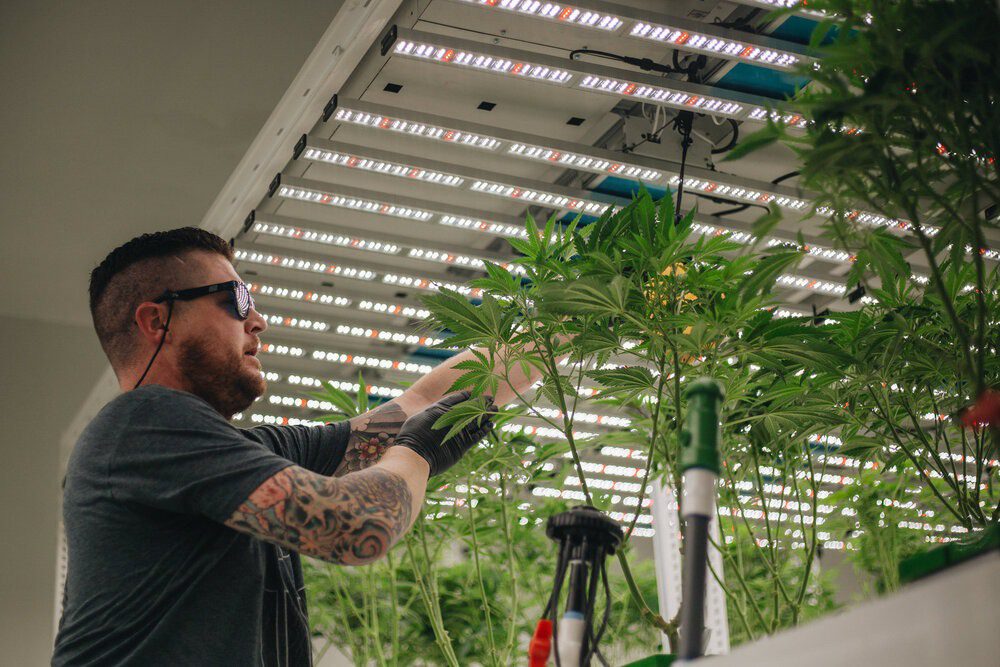
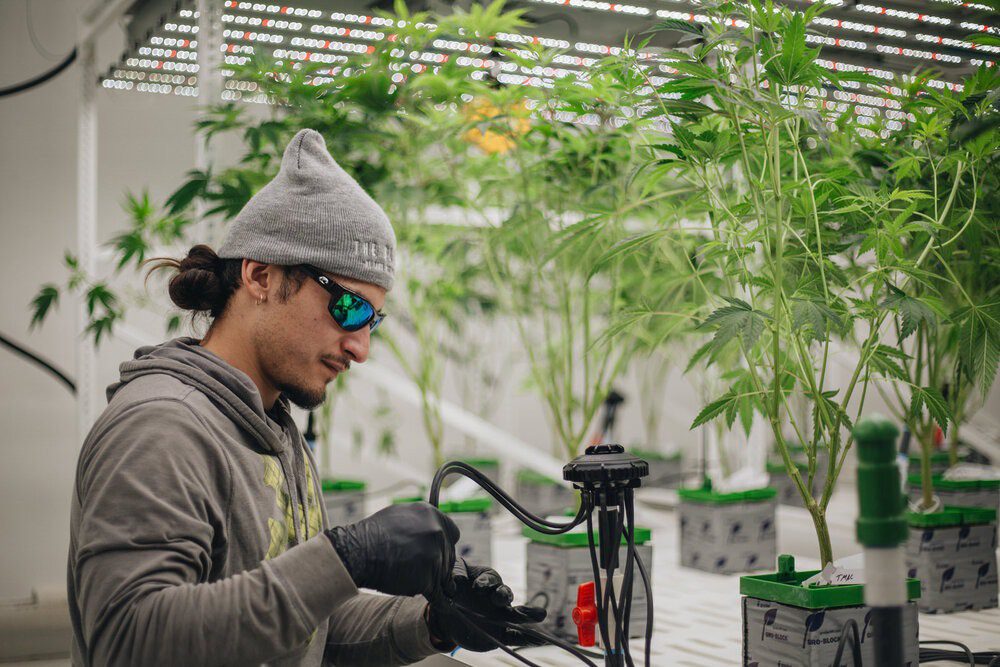
In Part 1 of this series, we wrote about the importance of grow room sanitation and a regular inspection and cleaning schedule. We also covered ground on the difference between sanitizing, disinfecting, and sterilizing the grow space. In this article, we’ll cover the sanitization of plants and substrates and the ways cultivators can prevent damage and loss to their crop from bacteria, fungi, pests, and plant diseases by cleaning their grow room on a regular basis.

A Preventative Approach

There are many methods to anticipate and treat issues early in the garden. One commonly utilized strategy for keeping plants clean of pests is called Integrated Pest Management (IPM). IPM applies a combination of techniques that are environmentally sound and reduce the need for pesticides.

Preventing pest problems before they arise saves time, money, and possibly the whole crop. The common methods for prevention using IPM include:

  • Creating uninviting environmental conditions in the grow space
  • Increasing sanitization of your cannabis grow room
  • Enabling plant and soil systemic resistance
  • Designing your grow room and airflow properly
  • Use of Beneficial Insects
  • Use of approved pesticides when required

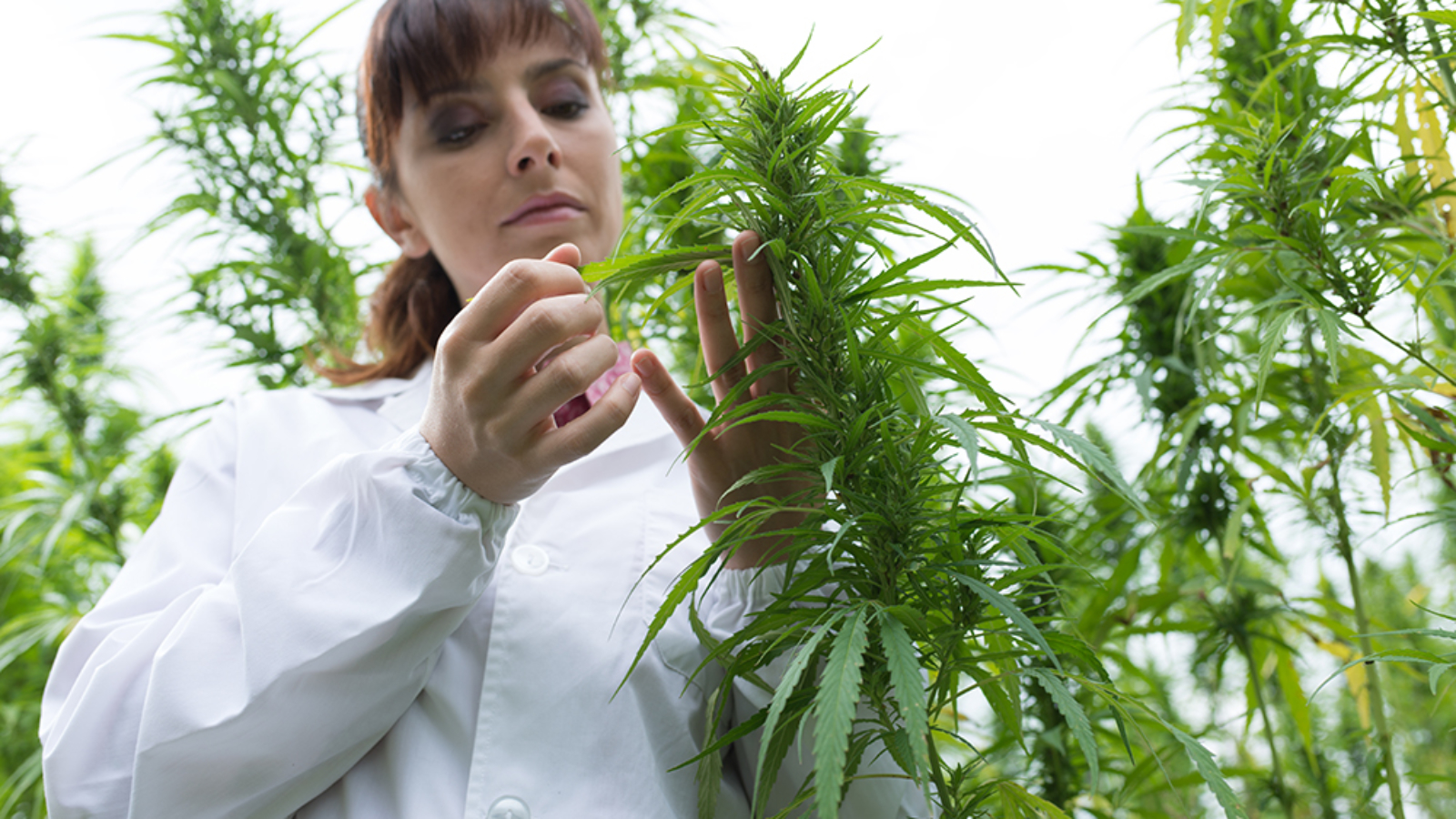
Scouting and tracking for pests are one of the best preventative methods any cultivation facility can employ to get ahead of issues. Cultivators also set up spore traps around their grow rooms that are then lab-tested to identify what molds might be present. The results help guide the operation as to what processes and treatments are needed to sanitize their grow space properly. Accurate identification of pests and pathogens is crucial to deciding the method of treatment response.

Clones

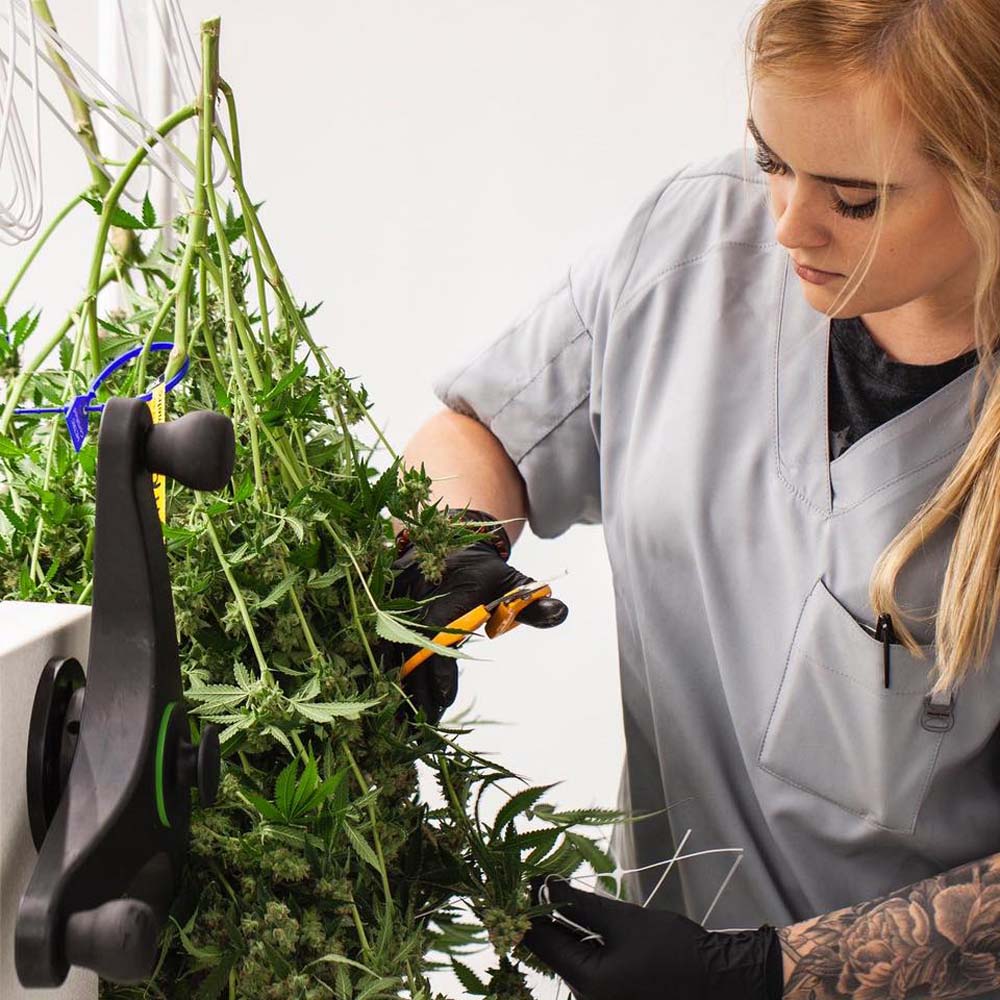
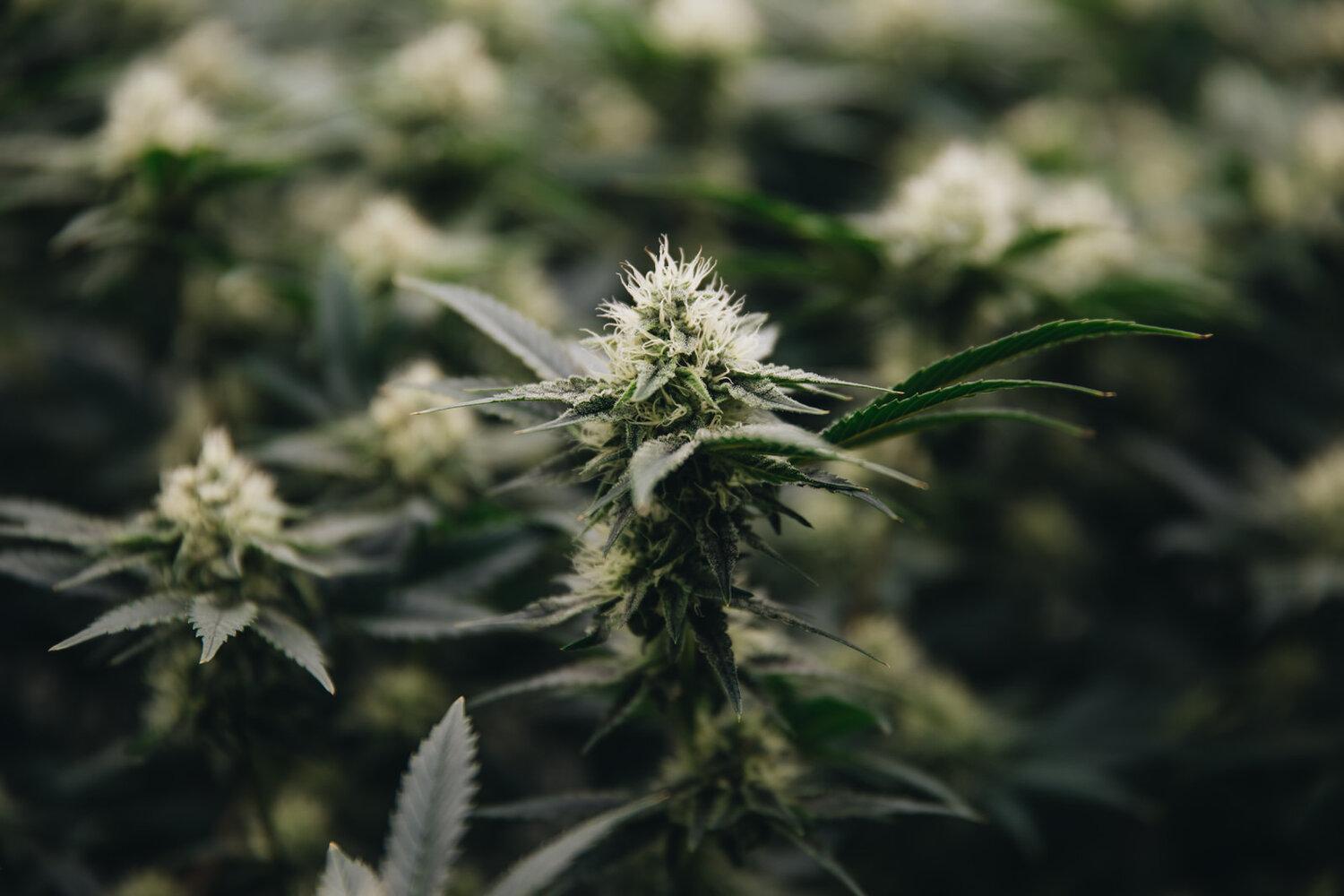
The clone room growing environment is a perfect breeding ground for molds and fungus. Clones need humidity and warm temps. In addition, when they’ve first been cut, they are under a lot of stress and can be susceptible to fungus like powdery mildew. Powdery mildew can be challenging to get rid of once it spreads. It is crucial to identify the source in the grow room immediately. If the cultivation facility takes clones from its own mother plants, that is the first place to regularly inspect for early signs. If the mother plant is infected, all clones from it will be too. In this case, starting fresh with new and clean mother plants is the best option.

If your cultivation facility gets clones from a nursery, there are certain precautions that must be followed to prevent issues from entering the cannabis grow rooms. Clones should be inspected for pest and disease issues prior to purchase from nurseries. An easy process to implement in a grow room is thorough sanitizing when bringing clones in from outside the facility. A good practice is to isolate and quarantine the new clones before introducing them to the mother or vegetative production areas. During this time, inspect and treat thoroughly for pests or plant diseases and treat them prior to transitioning.

All tools, equipment, and surfaces must be sterilized thoroughly. Plastics such as pots, trays, and domes should also be cleaned and sterilized prior to use in the clean grow room. 91% or greater Isopropyl alcohol diluted 30% with water is commonly used for tool and surface sanitation. Hydrogen dioxide, hydrogen peroxide, and peroxyacetic acid are commonly used to clean plants and/or surfaces. The frequency between sterilization is up to you. Some growers clean all tools daily while others between plants so as not to spread infection. The level of risk management is a personal decision.

Plants

Most growers separate their plants into dedicated cannabis grow rooms based on the plant cycle: mother, clone, veg and flower stages. When designing an indoor vertical grow facility, planning for dedicated, clean grow rooms helps mitigate risk factors plants face. If one room is infected or compromised, the team can fully address and sanitize the individual room without affecting the progress in the other rooms. Some growers choose to keep the mother plants in the same grow room as the veg plants to save on grow space. Most growers keep the mother plants in a designated area separate from veg plants to reduce the risk of cross-contamination (both pest and disease) between older and younger plants.

Post-Harvest

Just as preparing a sanitized environment is important to preventing crop failure, so is the resetting of your indoor grow room to a neutralized, clean environment that’s ready for its next round. After all the plants have been cut and transferred from the grow room to the drying room, clear all supplies from the area and remove any plant matter from the ground and trays. In addition, clean all surfaces of dried nutrients and plant matter which are food for pathogens and fungi.

Hydrogen peroxide and dioxide solutions as well as other chemical cleaners disinfect the surfaces without leaving any residue while keeping your grow room clean. Ensure the concentration of hydrogen dioxide is safe for handling and always follow the label as directed.

Grow Medium

With the exception of no-till living organic soil practices, the substrate should be new from the packaging and inspected for quality prior to use. Substrates such as rockwool and hydroton are considered to be sterile media in comparison to soil-less hydroponic mixes and soils which can sometimes have unwanted pests, like root aphids, that hitchhike along. In some cases where cultivators are reusing their substrate, growers are disinfecting before using again through methods such as steam sterilization.

Tools of the Trade

There are tried and true modern technologies in the commercial cultivator’s toolkit for growing cannabis and surface sanitization. Post-harvest cleaning with bio-foamers and/or bio-foggers are very effective in treating racking, trays, surfaces and floors. The bio-fogger uses microdroplets that enable you to get into impossible-to-reach nooks and crannies for a deeper level of sanitizing through improved surface contact.

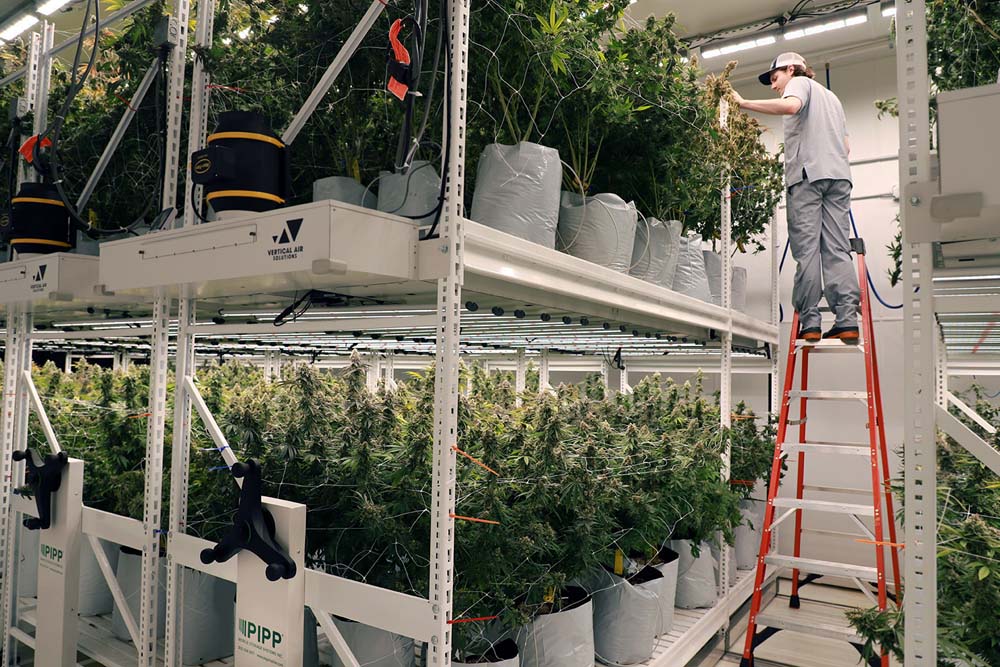
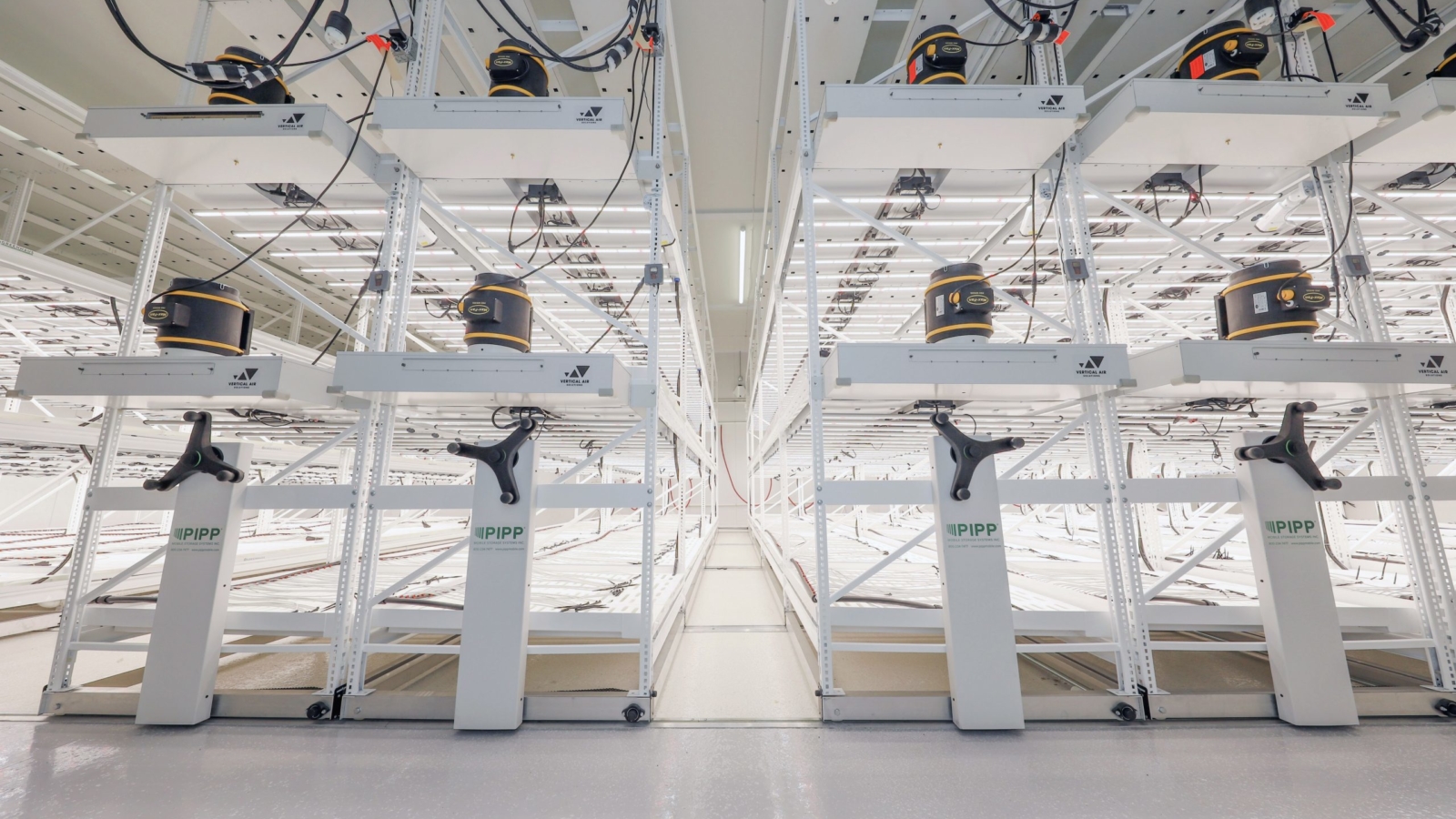
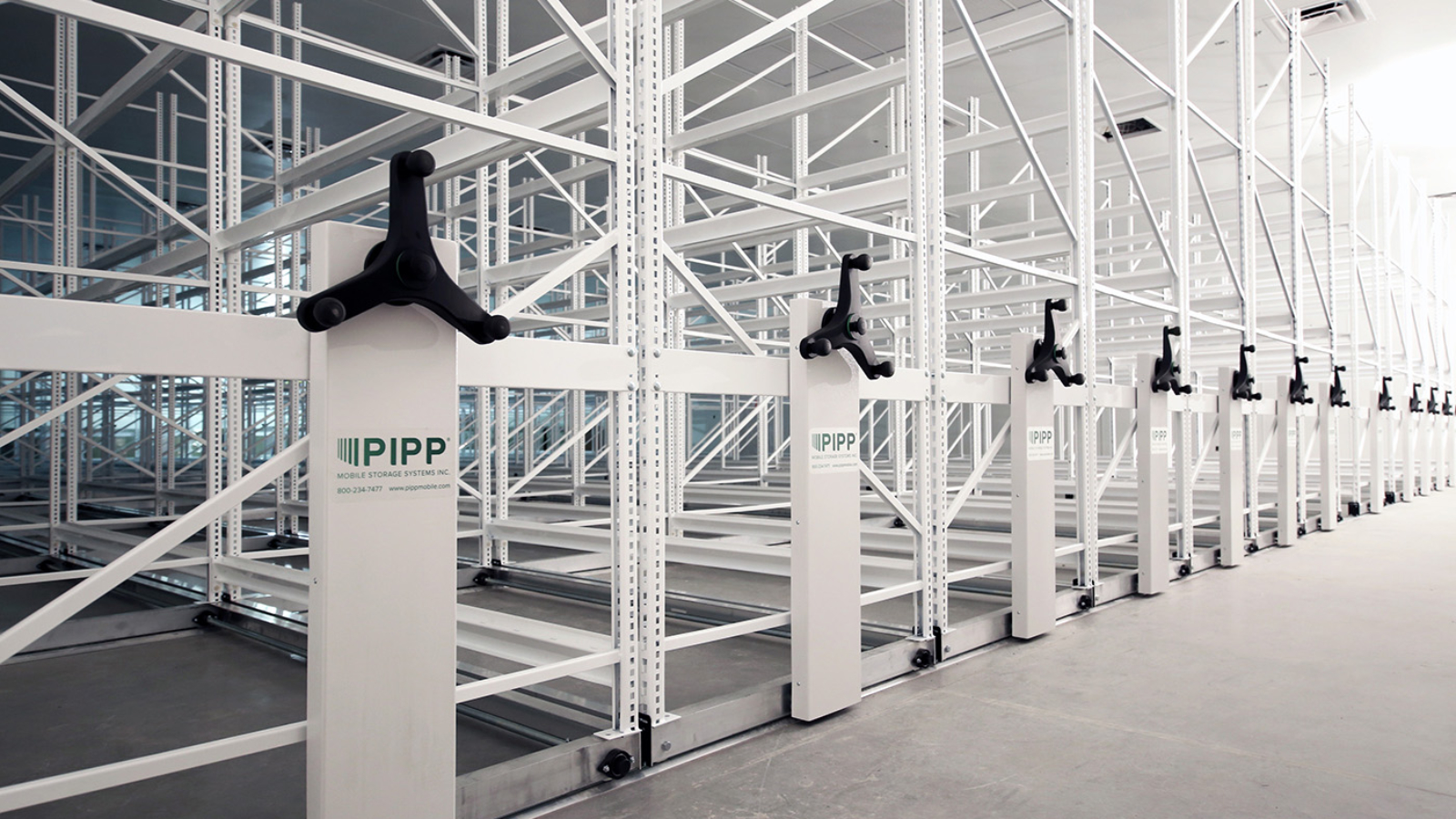
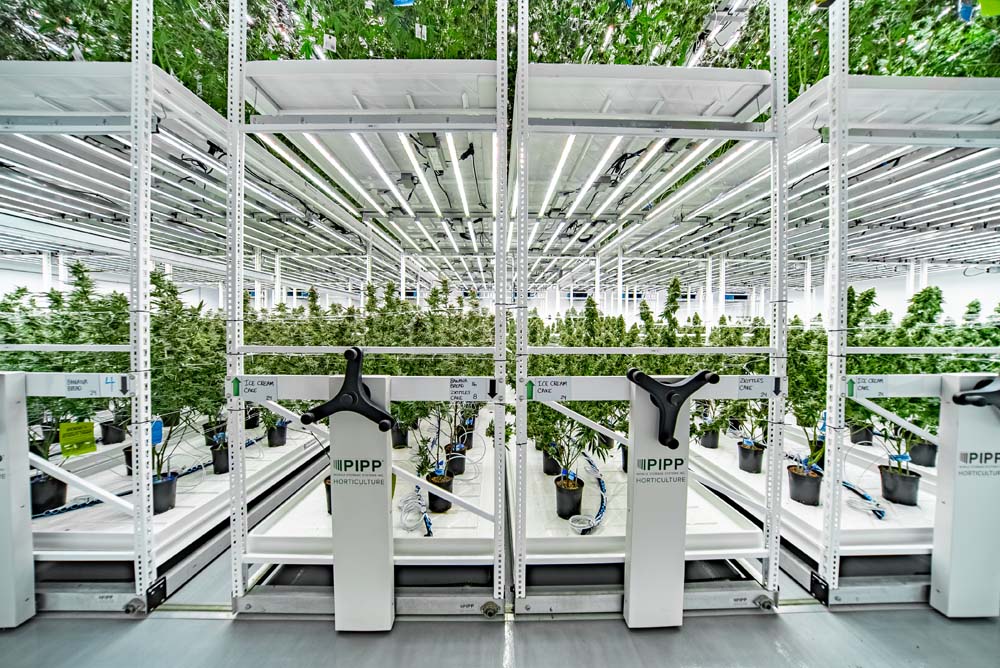
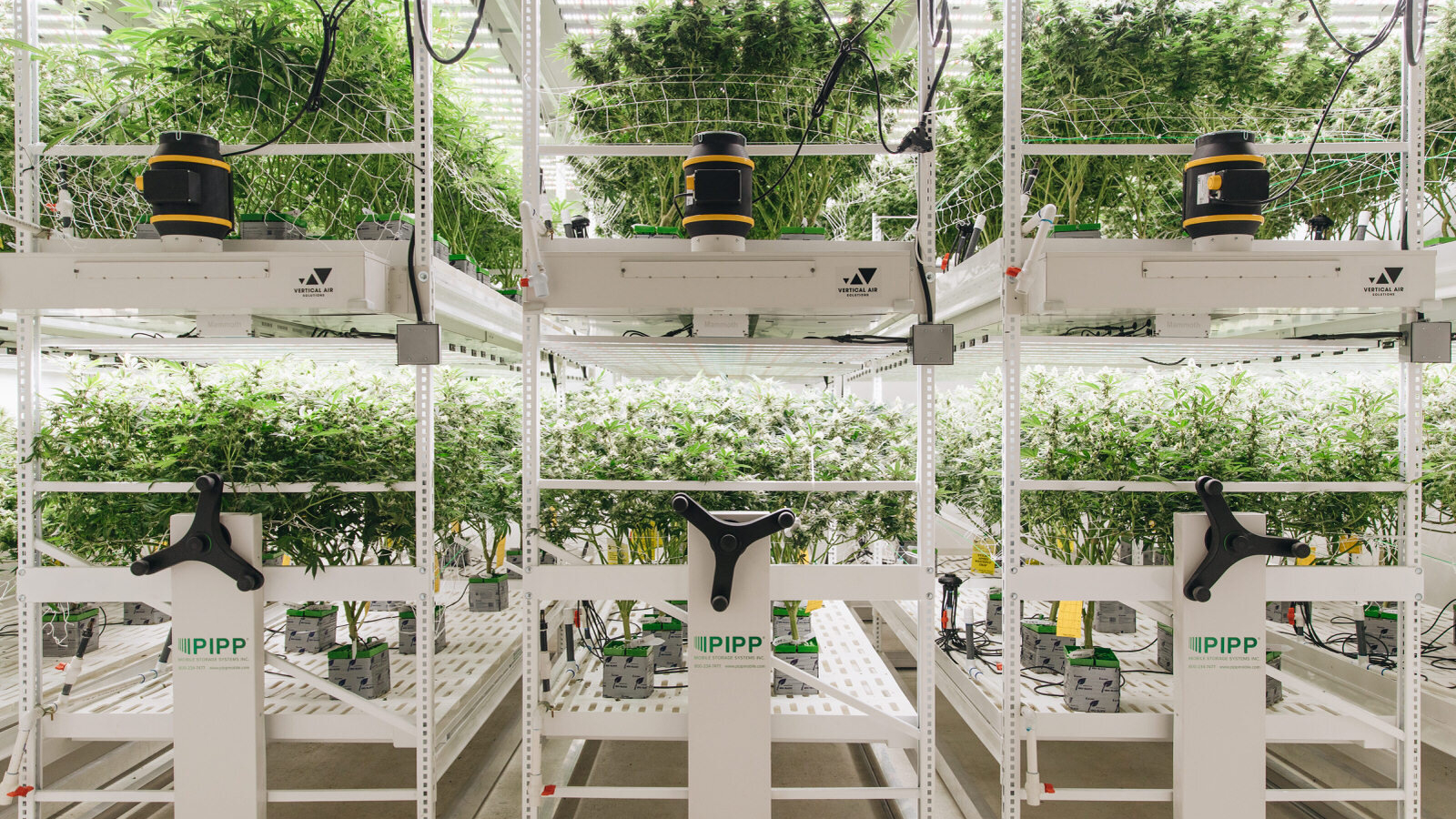
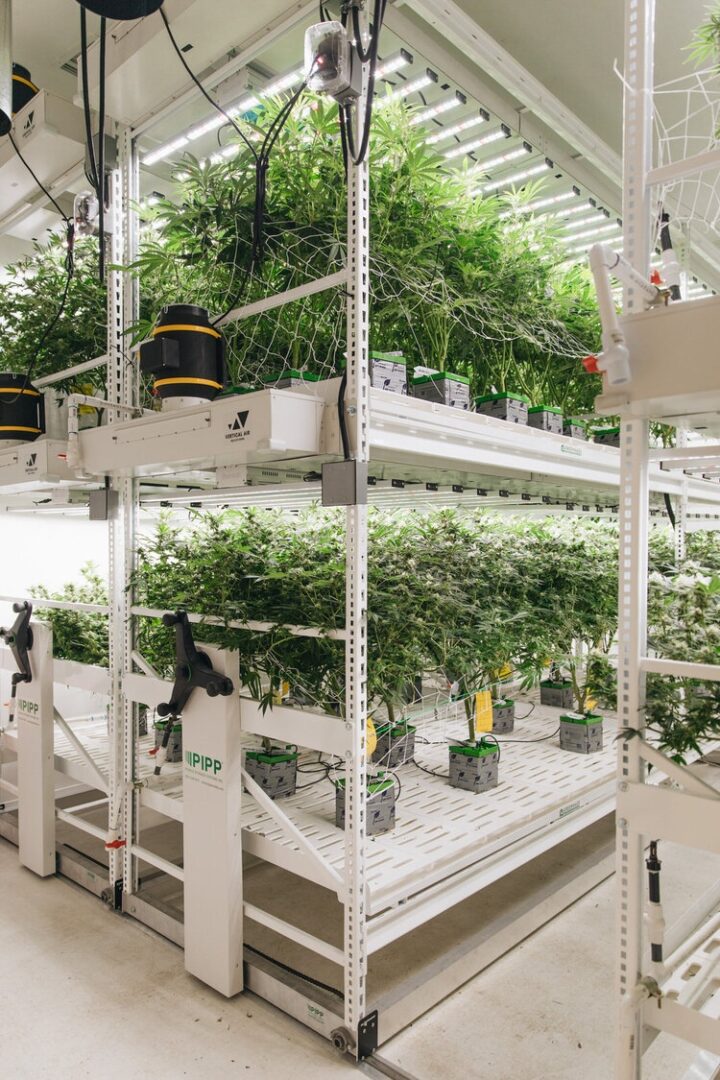
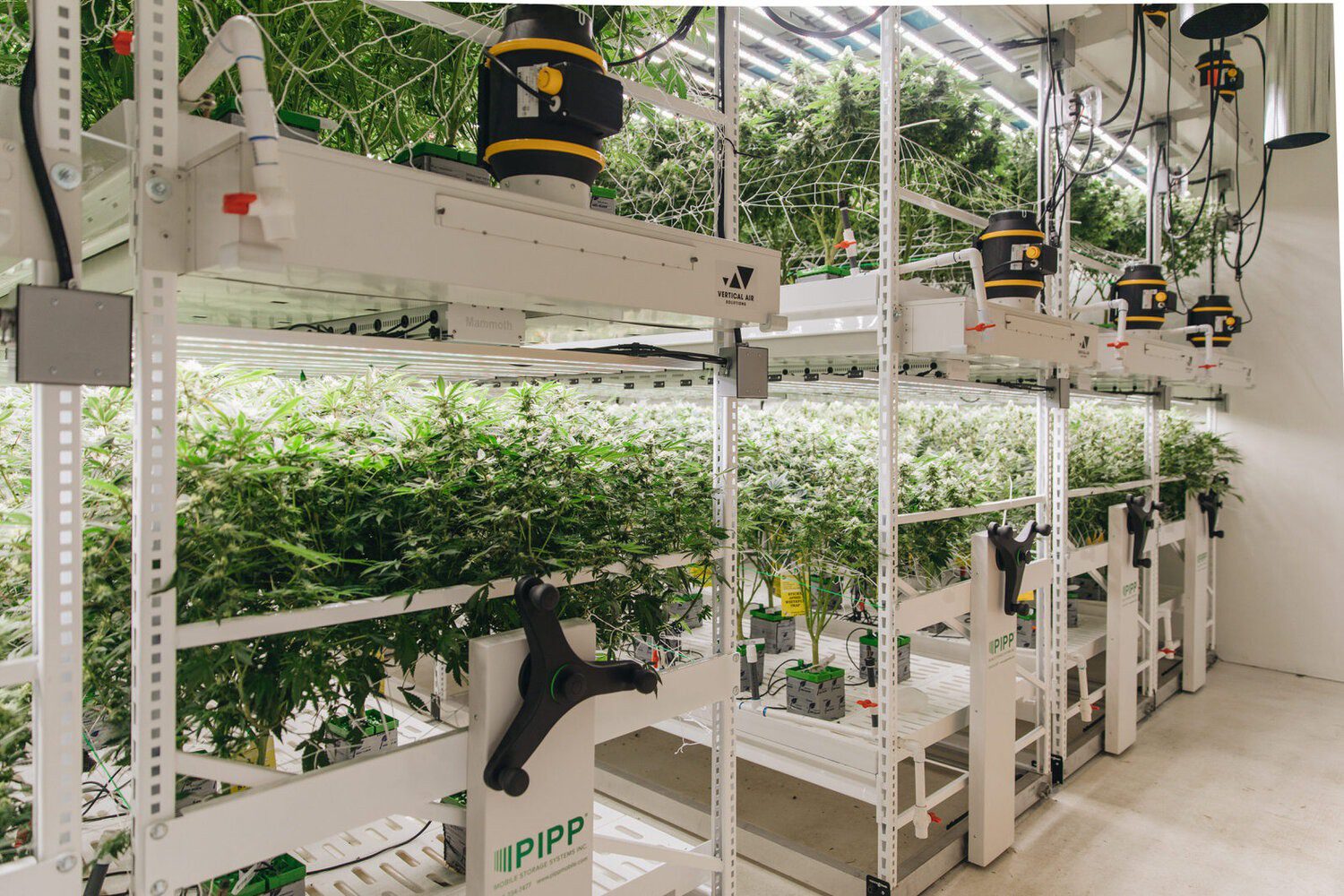
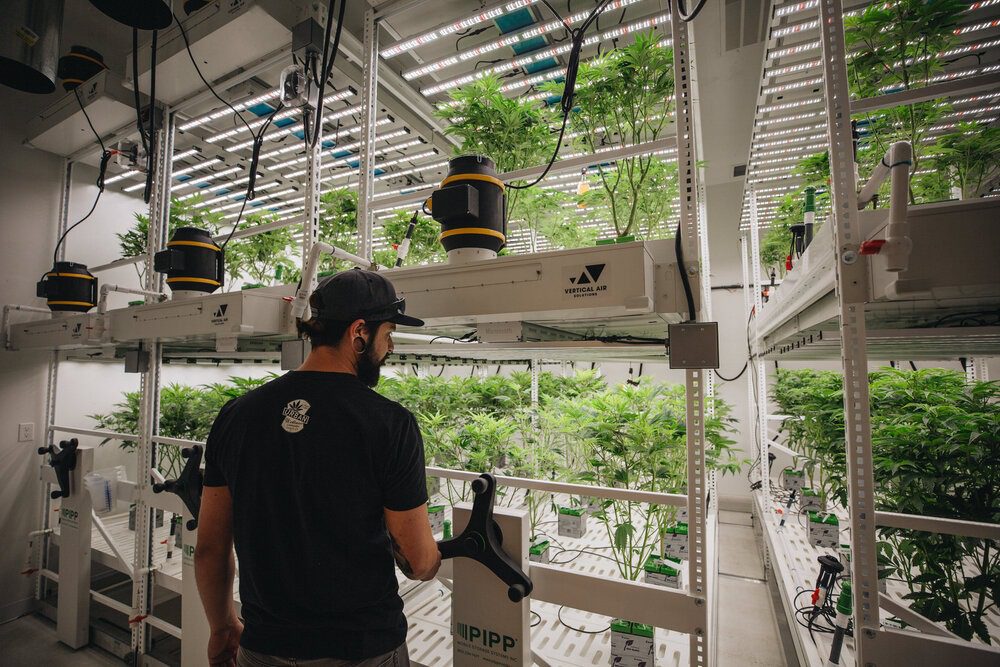
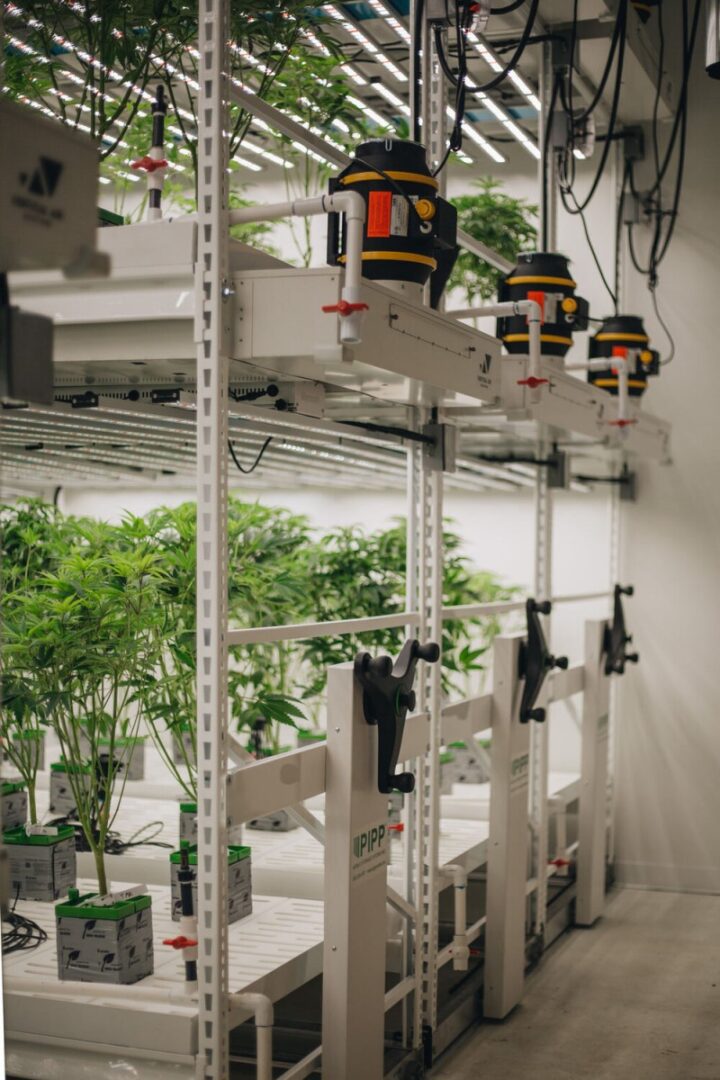
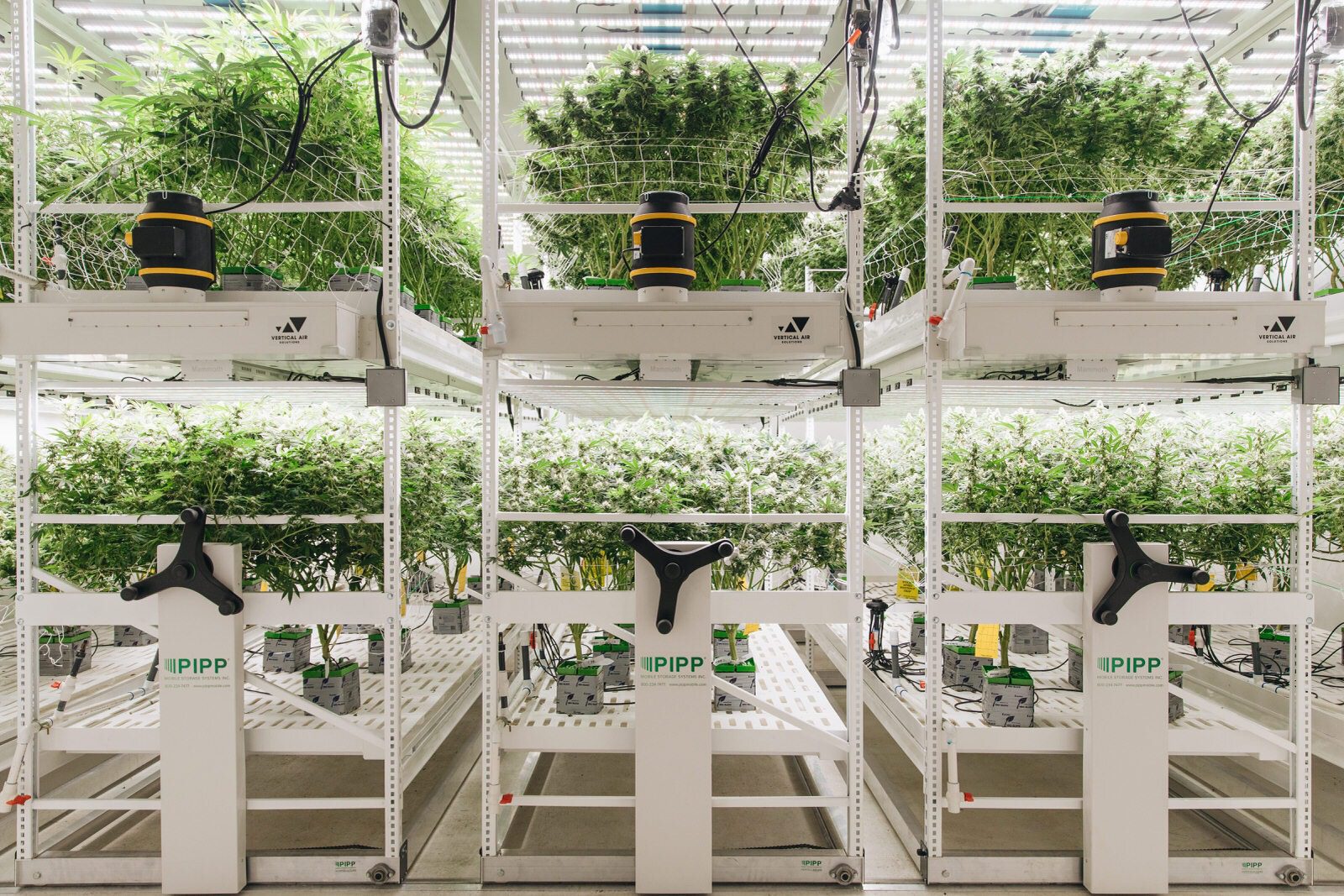
It’s also beneficial to use equipment that is anti-microbial and fungal-resistant like PIPP’s Vertical Grow Racks in conjunction with their Drip-to-Drain or ABS Combination Grow Trays. The trays come with optional HDPE inserts and have a white powder coat finish that is UV-stable and anti-microbial and fungal resistant.

Sanitization Practices

Keeping your grow room clean and tidy is the easiest preventative method. Clean up and remove dead leaves, stems, substrate and water from the floor or and in the grow space. Pests and diseases are looking for homes, so limiting their options is an easy preventative measure. Any plant material that is trimmed off plants must be removed from the grow room after completion of tasks. Green waste and trash should be stored outside the grow room to further ensure a clean growing environment. Tools should be kept off the floor on a workbench or wall. Keep a sanitizing solution of isopropyl alcohol nearby and instruct employees to sterilize the tools before and after use.

In this Part 2 of the Sanitization series, we’ve covered Integrative Pest Management and grow room cleaning best practices for plants and substrates. We’re now ready for the last part of this series. In part 3, we’ll be talking about the sanitization of air and HVAC systems.
Get a FREE Grow Consultation

Vertical Grow Room Design: How to Service the Upper Levels of Your Grow

Vertical Grow Room Design: How to Service the Upper Levels of Your Grow

Vertical farming is the future of innovative agriculture globally. In fact, vertical farming may play a role in meeting the ever-growing need for food. Due to this increased demand for vertical farming, your vertical grow room design and setup are continually becoming more important.

Indoor cannabis growers can all agree on one thing: electricity is expensive! Some places in the country like Humboldt County are known for their sun-grown flower. But growers in other locations don’t have the luxury of growing outdoors. Whether it’s due to climate or local regulations, many growers in the regulated cannabis market are forced to grow indoors.

Vertical farming increases your total canopy area and increases your total yield while decreasing the average cost per pound.

Every grow operation is unique and requires a customized installation and vertical grow room design. What works for one cannabis cultivator may not necessarily work the same way for the next. Location, building structure, size, locality, local laws, local climate weather patterns, OSHA compliance, and SEISMIC compliance, are just a few factors to consider.

Types of Vertical Setups

Vertical farms and a vertical grow system can be set up in all kinds of facilities, ranging from warehouses, large buildings, storage containers and mobile grow boxes. But all of them really fall under two basic categories: true vertical and stacked vertical.

True Vertical

In true vertical farming, you’ll see the plants growing out of the side of a column, with all the nutrients and water dripping top down. Organic kale, lettuce, and other greens are commonly grown in true vertical farms. There are many different variations of this method, but all of them have the same goal in mind.

Stacked Vertical

Stacking grow trays above each other is known as stacked vertical farming. Because space is a concern both vertically and horizontally, you’ll want to keep the plants topped and defoliated, so that they remain short and stubby. Some strains and cultivars are better fitted for indoor grow operations than others.

Vertical grows should be wise in selecting which genetics to deploy. The best-yielding vertical farms grow phenos that are naturally short with big, heavy buds. They also tend to have fewer leaves, requiring less hands-on defoliation. However, some experienced growers do grow taller strains as well. Technically, you could grow just about any strain of cannabis or hemp in a vertical farm setup.

Stacked Mobile Vertical Grow Racks

Benefits Of Vertical Growing

So why is vertical farming such a big deal in the cannabis cultivation world? It’s because it allows growers to experience:

  • Reduced air conditioning costs
  • Reduced heating costs
  • Decreased energy consumption
  • Doubled or tripled yields
  • Reduced water usage
  • Reduced fertilizer usage
  • Decreased cycle time
  • Decrease in overall cost per pound

Vertical Farming In Every Stage Of Your Grow

Vertical farming has profound applications in four major areas.

Nursery

You’ll want to consider the flow of your space in the early stages of your design phase. Begin by itemizing all of the fixtures, including HVAC, drains, sprinklers, electric panels, doors, overhead emergency lights, and pipes.

If you’re designing a new space or upgrading one to vertical racking, it’s a good idea to keep an open design on a final location like a wall or door. The goal is to maximize your canopy, given all the obstacles and objects in the room.

You may not always need door relocation. However, adjusting the location of the door may prove to be beneficial not just for maximizing canopy yield, but also for improved safety and workplace ergonomics.

Cultivation


In order to efficiently design your cultivation layout, you’ll need to consider things like:

  • Type of grow space
  • Desired number of grow tiers
  • Types of trays
  • Height between racks
  • Critical wall dimensions
  • Doors, egress paths, columns
  • Electrical panels
  • Ceiling height
  • Light height
  • Type of flooring
  • Any other obstructions
Cannabis Trimming

Drying & Curing

Top growers know that the drying and curing stage is crucial to delivering top-notch products that have realized their full genetic potential.

Drying carts are a crucial part of your process and can really help streamline your workflow. They are specially designed for hanging your plants to dry and come with special finger attachments.


Storage

Shelf carts are great for both storing and transporting your product. The levels are completely adjustable and you can easily add more shelves as needed.

Combo carts bring the best of both worlds by providing exclusive hanging attachments for drying and adjustable shelves below for storage and transport. Now that we’ve covered the different types of vertical farm setups, the benefits, applications, and storage, let’s move on to servicing the upper levels.

How Do You Service the Upper Levels?

This is one of the most common questions we get. It’s important to have full access to the upper levels so that all the plants in your facility get the exact same scrutinous eye and nurturing hands. You don’t want pests, mold, or anything else to creep up on you if the top level of your vertical system can’t be seen or accessed.

The NEW Elevate™ Platform System is a robust, lightweight, and portable deck to allow cultivators to access PIPP’s Multi-Tier Mobile Grow Racks quickly, efficiently, and most importantly – safely.

Pipp’s latest innovation, the Elevate™ Platform System, features the following:

  • Quick and simple setup with more time available to care for plants and less time spent preparing your workspace.
  • Lightweight components allow one person to set up the entire system. Two people make it a breeze.
  • Aluminum and Galvanized steel components for great corrosion resistance.

Safety is a big concern for any commercial operator. Ensuring workers have easy access to the plants while also minimizing their reach and risk of fall is crucial for owners and managers running a tight ship.

Cost is another factor for commercial grow looking to optimize their facility and introduce vertical racks. How to service those upper levels becomes a decision between cost, efficiency, and scale. The simplest option will be the cheapest, yet it will require more labor hours to move between the rows and levels. The higher-cost option is the most automated, yet the most expensive.

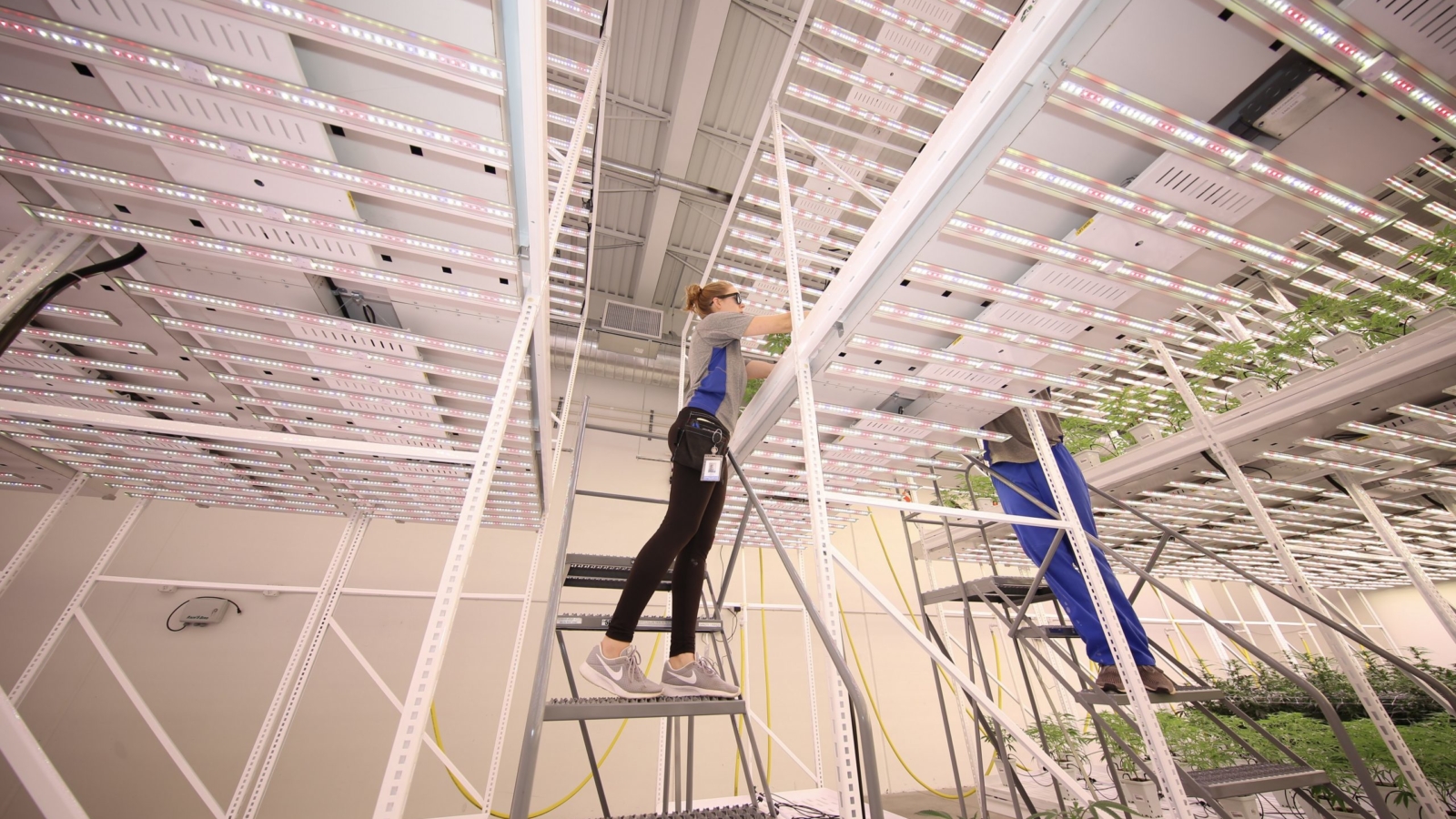
We’ve covered how to access the upper levels, so now let’s move on to the tools used to do this. There are three major types: ladders, rolling scaffolding, and lifts.

Ladders

Ladders, while simple, is a bit more challenging to use in vertical farming.

Because they do not provide a flat working space, they can make things less ergonomic.

The taller the ladder, the wider it has to be to allow for ease of movement. Platform ladders are good for when workers need to spend long periods of time in one particular spot on the ladder.

Platform ladders come with a rail guard, located at the top. This helps stabilize the user while accessing the upper levels. It also allows the user to free up both hands, in order to focus on the work. Some of the platform ladders even come with castors that make it easier to move from one area to the next.


Most store-bought ladders will be OSHA-compliant too.

Vertical Farming at Redbud Roots

Rolling Scaffolding

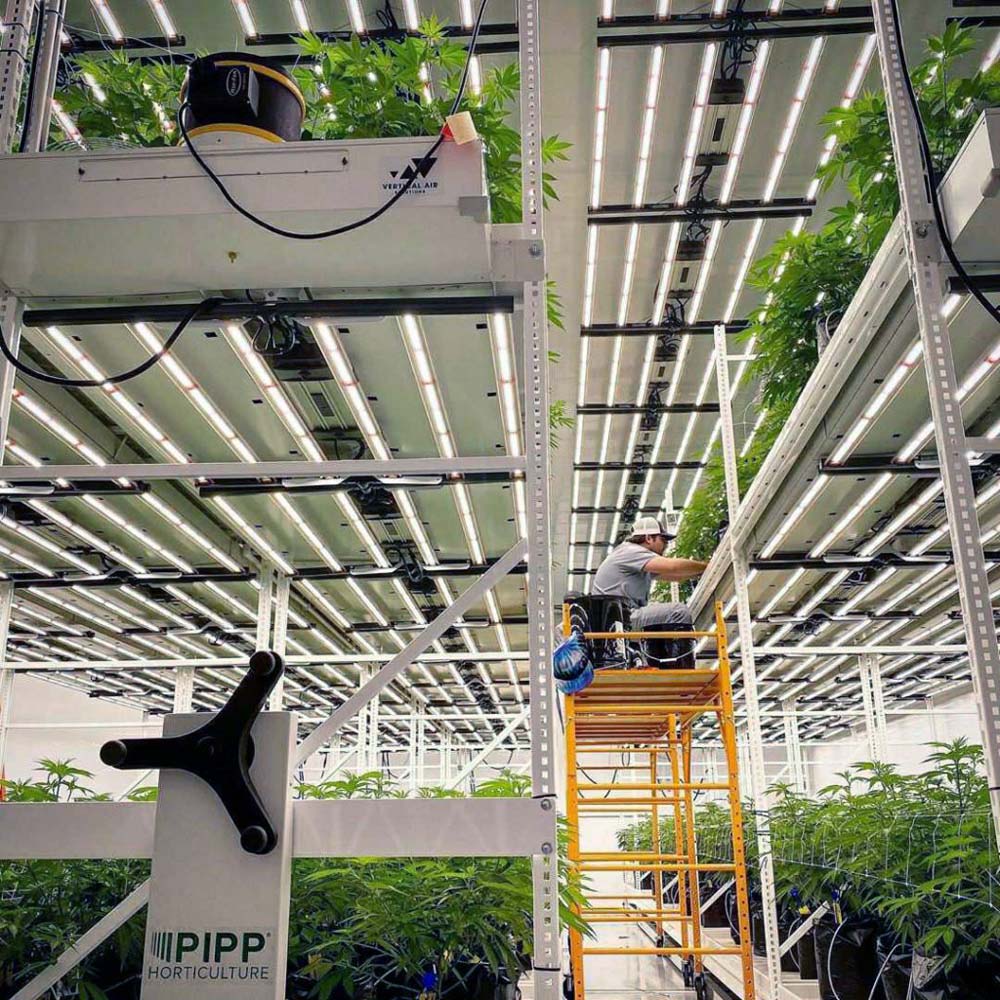
While ladders are the least expensive option, rolling scaffolding or platforms are a bit more costly. The advantage of using scaffolding is that you can easily move from room to room. Workers who have to change their position on a frequent basis would benefit from rolling scaffolding.

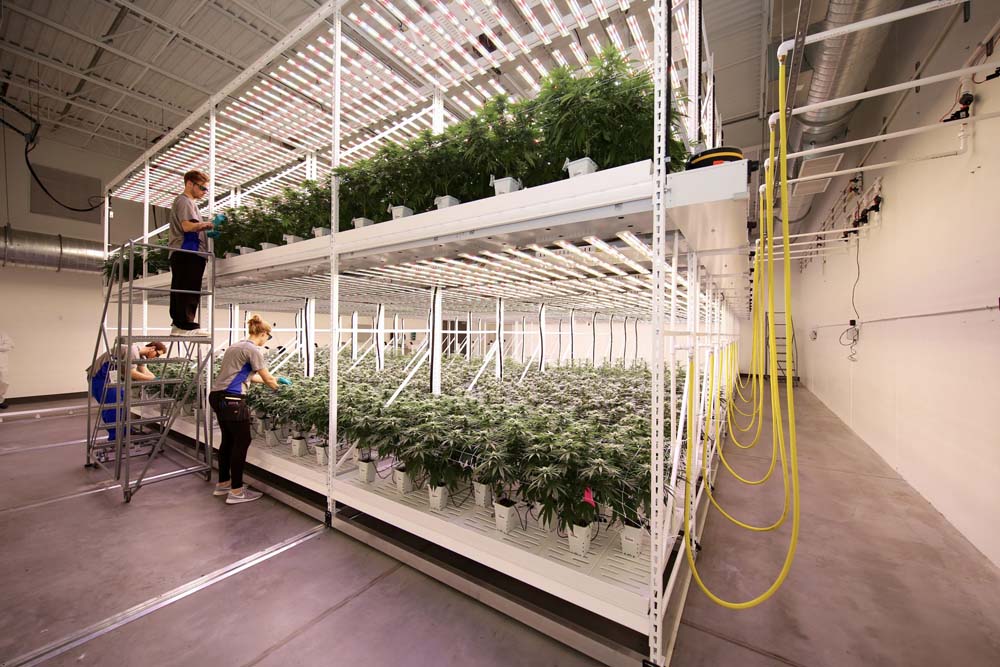
Leafline Labs Team Cannabis Cultivation

Lifts

Lifts are another option, however, they are usually the most expensive solution for accessing and working at those higher levels. However, if your grow is larger in scale and demands that workers spend long periods of time at the upper levels, then lifts may be a better option.

Lifts can be manually operated or motorized. Pricing varies greatly, depending on your selected options. If you have two tiers or more, lifts can offer the greatest amount of efficiency for your space and workforce.

For a three and four-level grow operation, lifts are typically necessary. Lifts can be moved while a person is still on the equipment. Instead of climbing down to move the equipment and climb back up, lifts save a ton of time. They are also usually better powered but will need recharging after use.

While there are several different choices available, you’ll probably want to contact a PIPP design/installation professional in order to help you determine which option is right for you. This can assist you in making an informed decision that best fits your facility’s needs.

 This can assist you in making an informed decision that best fits your facility’s needs.
Vertical Farming
Some Tips To Keep In Mind

Figuring out how to design and oversee vertical grow can be a bit overwhelming. However, you don’t have to go at it alone. No matter what route you choose, there are key fundamentals to any vertical farm grow setup.

  1. When deciding on the best options for your grow facility, you’ll need to weigh the cost of the solution versus the efficiencies the solution offers. But keep in mind, worker efficiency is crucial to the old adage “time is money”.
  2. Typically, the more efficient a solution, the higher its cost. You may want to consider doing timed studies with employees to get a handle on how much time may be spent inefficiently using one solution over another. This will help you determine the right cost-benefit solution for you.
  3. Also, you’ll want to be sure that whatever solution you decide fits from an ergonomic standpoint. You don’t want to fatigue your employees or put them in unsafe working conditions. The best solution will allow one to stand comfortably and minimize time spent bending over or working in a stretched position.
  4. The best solutions include the storage of tools needed to access the upper levels. Your workers should experience a safe and easy transition from one tool to the next in the course of their work.
  5. Lastly, safety should always be a priority. Because no two grow operations are the same, setups can differ and solutions need to be customized. Bars and safety rails help provide security to workers. And high density grow racks come equipped with a locking mechanism that secures its position while people are working on the equipment.
Leafline Labs Team Cannabis Cultivation

Wrap-Up Conclusion


Vertical farming is the future for indoor cannabis growers. As a cultivation

business scales and increases its square footage or room numbers, facility design can become more complex.

Growing indoors is an expensive venture, but one that can produce incredible results, both with the quality of cannabis and profits.

While you want to maximize your growth and profits, you also want to minimize hassles and costs.

Interested in seeing how much revenue you could be making with vertical farming? Enter your facility’s current canopy space, production metrics, and sales price to see how much you could be making when you upgrade your indoor farm to PIPP Horticulture’s Cannabis Grow Racks! 

Cannabis Grow Room Yield Calculator

Get a FREE Grow Consultation

Designing Your Grow Room: Top Tips From Industry Experts

Designing Your Grow Room: Top Tips From Industry Experts

Join Pipp Horticulture, Fluence Bioengineering and Vertical Air Solutions as they dive into the cannabis side of vertical farming. From vertical grow room facility design and technology considerations to the importance of an integrated approach, watch as the cultivation experts discuss the necessary tools to grow in 2020 and beyond. 


Interested in seeing how much revenue you could be making with vertical farming? Enter your facility’s current canopy space, production metrics, and sales price to see how much you could be making when you upgrade your indoor farm to PIPP Horticulture’s Cannabis Grow Racks! 

Cannabis Yield Calculator

Get a FREE Grow Consultation

New Greenhaus Industries Website Is Launched!

New Greenhaus Industries Website Is Launched!

At Pipp Horticulture, we pride ourselves on providing the best mobile vertical farming and storage solutions for your grow operations. For years, we’ve partnered with other industry leaders in the cultivation and made the move to make Greenhaus Industries a part of our team in 2013.

Meet Greenhaus Industries

Greenhaus Industries is an innovator and manufacturer of multi-level cultivation and drying systems designed for the vertical farming industry. Greenhaus systems allow cultivators to maximize small and large spaces for vertical cultivation and drying facilities, which can dramatically increase production and profits. Working with Pipp Horticulture and its partners, they create the perfect cultivation system for your grow operations. 

Modern cultivation calls for a more modern site design which is why they saw the need to redesign their outdated, unresponsive website.  Check out the new website , and let us know what you think!


Get a FREE Grow Consultation

Urban Wellness’ Journey With Vertical Grow Racks

Urban Wellness’ Journey With Vertical Grow Racks

Managing a grow facility while maximizing yields—particularly in an urban area— can be difficult, and finding a large enough space can come at a hefty price. Urban Wellness was ready to take their grow operations to the next level (literally).

See how vertical farming did just that.

Transitioning to vertical farming allows them to maximize canopy space and more than double production per square foot. Because vertical grow racks can easily move and adjust, Urban Wellness was able to increase efficiency and create a more streamlined workflow in the facility. “We believe in using technology and innovation to drive our company into the future.” said the New Mexico based dispensary.

Check out how Urban Wellness partnered with Pipp Horticulture to elevate their cultivation with vertical grow racks.


So, interested in learning more about Urban Wellness? Check out their website here:

URBAN WELLNESS NEW MEXICO

Get a FREE Grow Consultation

Mobile Vertical Grow Rack System Layout and Design

6 Design Considerations for Building a Vertical Farm

Creating a vertical grow room design is a major step toward efficiency, productivity, and profitability in the cannabis industry. Traditional growing methods cannot meet the public’s evolving needs – growing upwards can help mitigate this problem.

But, what should you take into account before considering indoor vertical farming systems? Layout, automated technologies, and drainage are just some factors in optimizing the environment. 

What Is Vertical Farming?

Vertical farming is a method for growing cannabis that has gained popularity over the last several years among cultivators. Instead of single-level racks that greatly limit growth space, vertical racking systems allow for multiple cultivation levels in the same square footage. 

While vertical farming architecture brings pros and cons, the benefits cannot be overstated. Mobile racks let cultivators easily maneuver layouts while ensuring each plant receives attention. Ultimately, growers can easily expand production capabilities, increase genetic variations, reduce water waste, and minimize plant mold and disease. 

6 Things to Consider in a Vertical Grow Room Design

Like any grow room, implementing a vertical farming system requires planning. You must understand your plants, utility capacities, and current footprint or risk making costly mistakes. Potential obstructions, like floor variations or columns, are another key consideration. 

Building a vertical farm can transform your business, but informed decision-making comes first. Let’s delve deeper into six tips for creating an efficient, space-saving grow room 

1. Flow of the Room

The flow of a grow room lays the foundation for a vertical farming system. You must understand every fixture in the room (e.g., electrical panels, overhead emergency lights, pipes, drains, columns, sprinklers, and even doors.) These obstacles will determine where you can place mobile racks. 

In some cases, you can easily build around architectural features. Other times, you may benefit from minor renovations, such as door or pipe relocation. These changes can be extremely beneficial to increasing canopy space and improving ergonomics.  

Below are a few things that can be barriers to flow in your grow room:

  • Columns
  • Doors
  • Egress paths
  • Overhanging lights
  • Electrical panels
  • Drains
  • Sprinkler/fire systems

2. Materials & Systems

After considering the flow of your facility, you can start exploring the types of vertical farming systems to introduce. Stationary grow rack units are used sparingly in horticulture for ergonomic reasons. Instead, mobile carriages create moveable aisles, allowing you to have a multi-level grow room and easily access every plant. 

3. Layout Details

Nice! You’ve tackled the first two hurdles in the designing process–flow and materials. Now you can start drawing your layout plans. Remember to include those potential architectural obstacles while accounting for additional equipment (we’ll touch on this later).

Think about how many plants you want or need to grow. Will you need five, ten, or even fifteen vertical racks? Are you looking for two or three-tiered systems? Will aisles be arranged horizontally or vertically across the floor axis? What is your total canopy space? These are all important questions to ask when creating a layout.

4. Environmental Controls

Larger vertical farming facilities rely heavily on automated environmental controls, especially hydroponics. These systems ensure plants receive proper water and nutrients when arranged vertically. You also reduce water consumption and waste in the process. 

You can select from different types of hydroponic systems (e.g., drip irrigation). Regardless of your choice, many options can be seamlessly integrated into a vertical racking system. 

5. Lighting

Cannabis needs light to grow, but encouraging vegetative or generative growth means utilizing different techniques. Your lighting layout will likely depend on the designated space (e.g., clone, veg, or flower room), but you can generally use the same type of lamps.

Growers have many options when building a vertical farm, the most popular being HSP, LED,  or MH. Each has unique benefits, but LED lights create less heat, use less electricity, and produce higher yields.  

6. Dependable HVAC Systems

Properly spacing plants is one way to ensure proper airflow and unrestricted growth. However, this practice can only go so far in promoting healthy plant development. Along with air quality, humidity and temperature levels are also critical when cultivating cannabis.

HVAC systems help maintain a consistent environment, minimizing the risk of mold, disease, and cross-contamination. Better yet, an energy-efficient system can lower operating costs and reduce your carbon footprint. Our VAS 2.0 in-rack airflow system is just the solution, working alongside the HVAC to eliminate microclimates, provide the highest air velocities, and maintain consistent performance. 

Vertical Farming Help From the Professionals

Planning a vertical farming system may seem out of reach, especially if you’re accustomed to traditional cannabis cultivation methods. Pipp Horticulture is here to help ease any anxieties as you begin the shift.

We have over 50 years of experience in the industry and understand the nuances of indoor vertical farming. Our equipment, including our Mobile Vertical Grow Racks, can maximize yield and space so your facility can reach its full potential. We’ll walk you through the entire design process from start to finish. You’ll be a pro in no time with Pipp by your side!

Get a FREE Grow Consultation

Are Indoor Vertical Farms The Future Of Agriculture?

Are Indoor Vertical Farms The Future Of Agriculture?

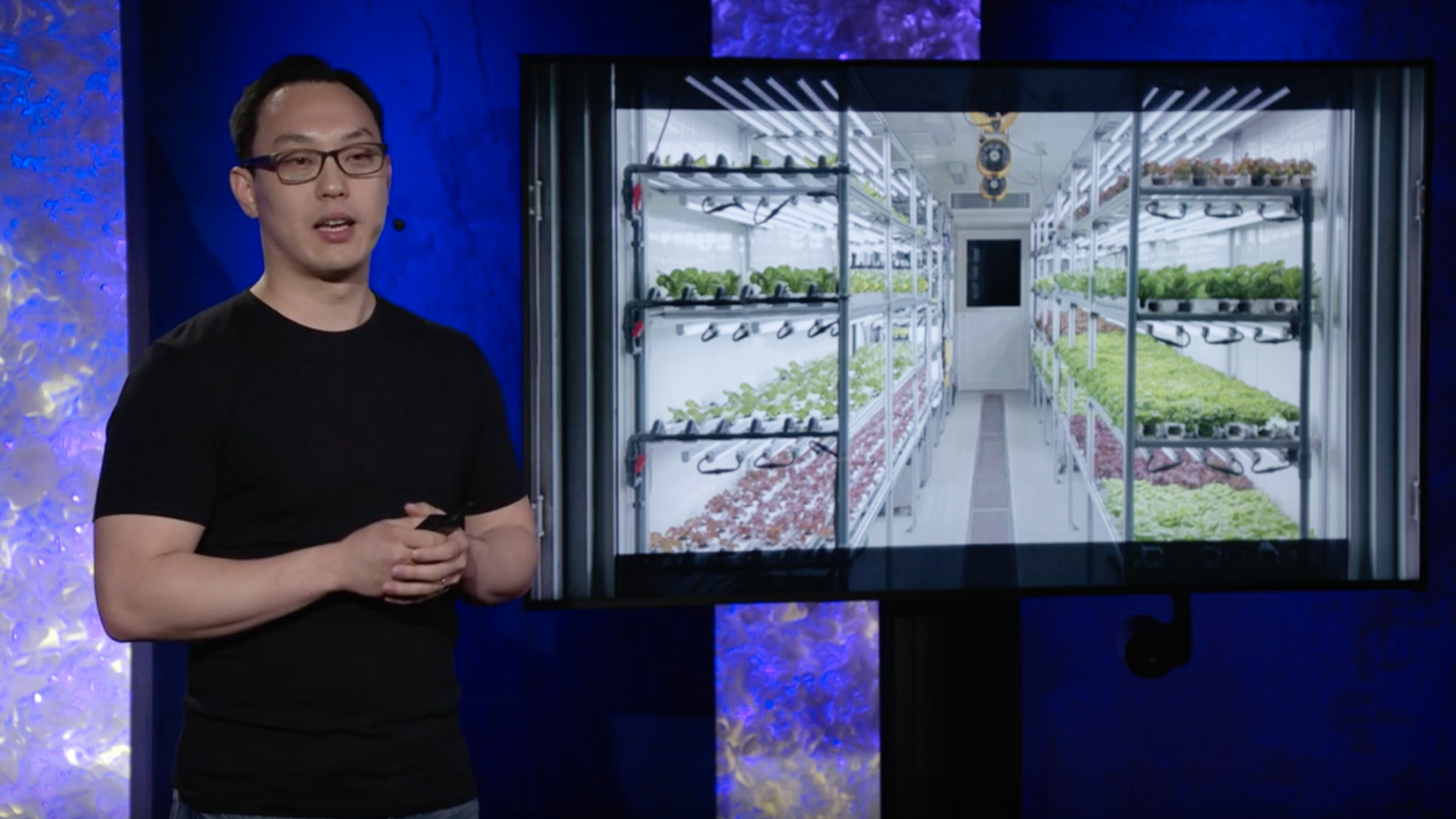
By 2050, the global population is projected to reach 9.8 billion. Yes, you read that correctly. Major shifts in demographics and climate are causing a strain on the agriculture industry and it is making us ask the question: what is an improved manufacturing process we can implement moving forward? Here we’ll discuss Stuart Oda’s Ted Talk diving into the benefits of controlled indoor farming with vertical racks for vertical farms and just how it may be the solution to sustaining the population. 

The Need For Indoor Farming

Over 68% of the population will be living in urban city centers by the year 2050, only further solidifying the need for higher grow yields in smaller spaces. Production will have to become more efficient and more affordable, and the tools for even the smallest production facilities will have to become more readily available. What better way to go than up?

Freedom Green Farms - Pipp Horticulture Mobile Vertical Grow Racks


More Space, Less Square Footage

Vertical grow racks allow growers to utilize more space with vertical farms without sacrificing square footage. So how does it work? Uprights are pre-welded for fast assembly and strength of vertical racks while beams incorporate a unique tapered finger design attachment that locks beams safely onto uprights. This creates a safe and effective space that actually improves the quality of your growth as opposed to a traditional single-tier system. Allowing small-scale growers to produce bigger yields could be the answer to our growing population.

A Climate-Proof Environment

One of the many benefits of indoor vertical farming is the ability to control climate on all levels of grow. For example, settings may be adjusted based on which level the grow is located and how that affects the room’s overall temperature. Another benefit of multi-level farming is the ability to grow a variety of items adjusted to each individual need. You can’t compare apples to oranges (literally) and different grows to require different climate settings. Vertical farming also allows climate to be changed row by row and artificial lighting from LEDs to replicate natural light and assist in growth. Gone are the days when agriculture is susceptible to Mother Nature’s changing climates.

See how vertical farming all works together in this informative Ted Talk from Stuart Oda:


Moving Forward

Thinking ahead, the need for resources to be grown at a higher quantity and a faster rate is essential to sustaining our population. While it’s evident that some items are completely out of our control, we can, however, control our manufacturing processes. Consider implementing vertical farming now to effectively impact your growth into the future.

Get a FREE Grow Consultation

We Were Featured on Netflix’s “Rotten”!

We Were Featured on Netflix’s “Rotten”!

Netflix’s Show Rotten

The cannabis industry has definitive ups and downs. While cannabis is an incredible product that can help people live relatively pain-free lives, there are a ton of regulations on different parts of the industry: potency, production and distribution, edibles, and medical vs. recreational use just to name a few. These regulations vary by state and are also more extreme on a federal level. Netflix’s show Rotten is an interesting and informative docuseries that discusses the benefits and downfalls to the cannabis industry and how a change in marijuana laws is affecting legitimate dispensaries and production facilities.

Our Vertical Cannabis Grow Racks and Mobile Carriages in Action

Throughout the episode, aptly named “High on Edibles” (Season 2, Episode 6), a wide range of people related to the cannabis industry are interviewed – edible production businesses, dispensaries, grow facilities, scientists, professors, police officers, and so on. During the interview of one such dispensary, Tokyo Starfish, you can see our vertical cannabis grow racks and mobile carriages in action! Check it out at the 55:37 mark here.

Contact us for more information about our products and services!

Contact here!

Get a FREE Grow Consultation

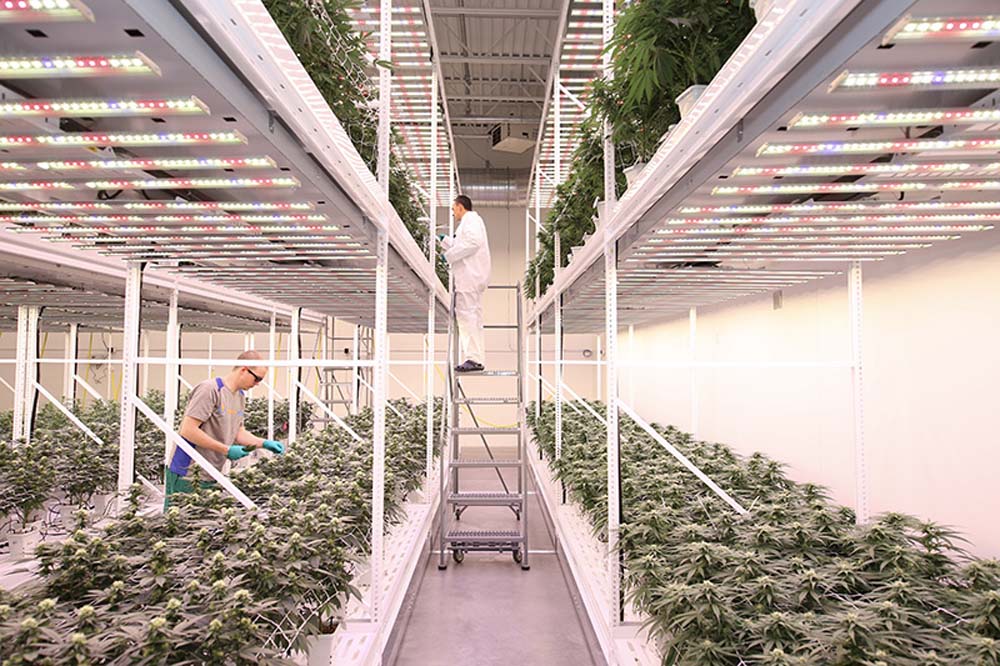
Cannabis Grow Facility Using Multi-Tier Grow Racks with Airflow Solutions by Vertical Air Solutions

Urban Wellness

“At Urban Wellness, we believe in utilizing technologies, research and development, and patient input to drive our company into the future. That’s why we’ve collaborated with PIPP Horticulture and Mammoth LED to create a state-of-the-art grow facility.”

GOING VERTICAL 

PIPP Horticulture is the industry-leading provider of mobile, vertical grow rack systems, helping growers maximize production capability. With over 80,000 cardholders enrolled in the New Mexico Medical Cannabis Program, increasing our production helps us better serve our patients.

Managing a grow facility while maximizing yields—particularly in an urban area— can be difficult, and finding a large enough space can come at a hefty price. By transitioning to vertical farming, we maximize canopy space and more than double production per square foot. Racks are easily moved and adjusted, increasing efficiency and creating a more streamlined workflow in our facility.”

Learn More about how Pipp Horticulture helped Urban Wellness

Learn More about Urban Wellness

Learn More about Pipp’s Products


Get a FREE Grow Consultation

Pipp Cultivating Cannabis Connections at MJBizCon 2021

MJBizCon 2019: A Recap

Pipp Cultivating Cannabis Connections at MJBizCon 2021

Pipp Horticulture at MjBizCon 2019

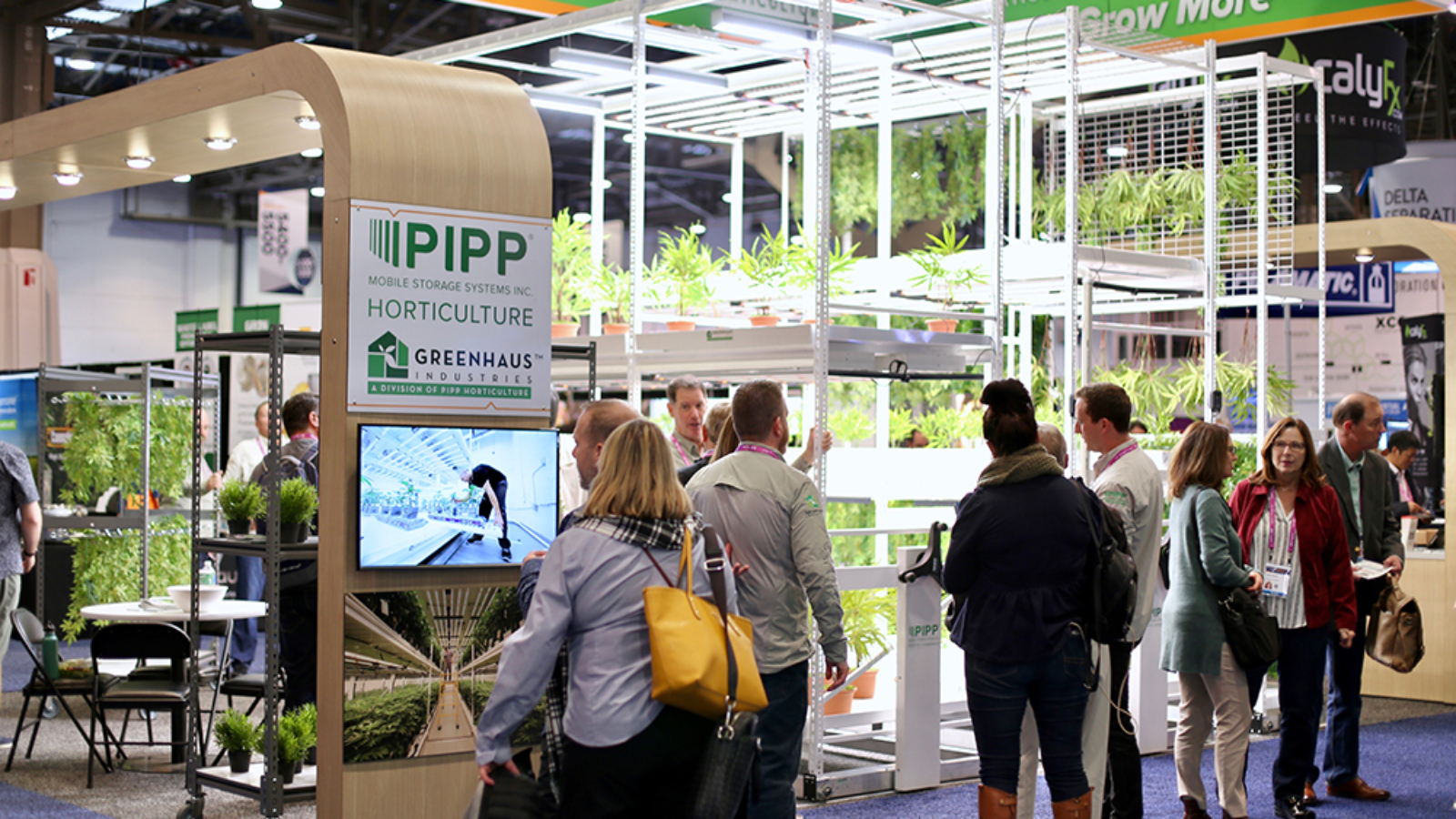
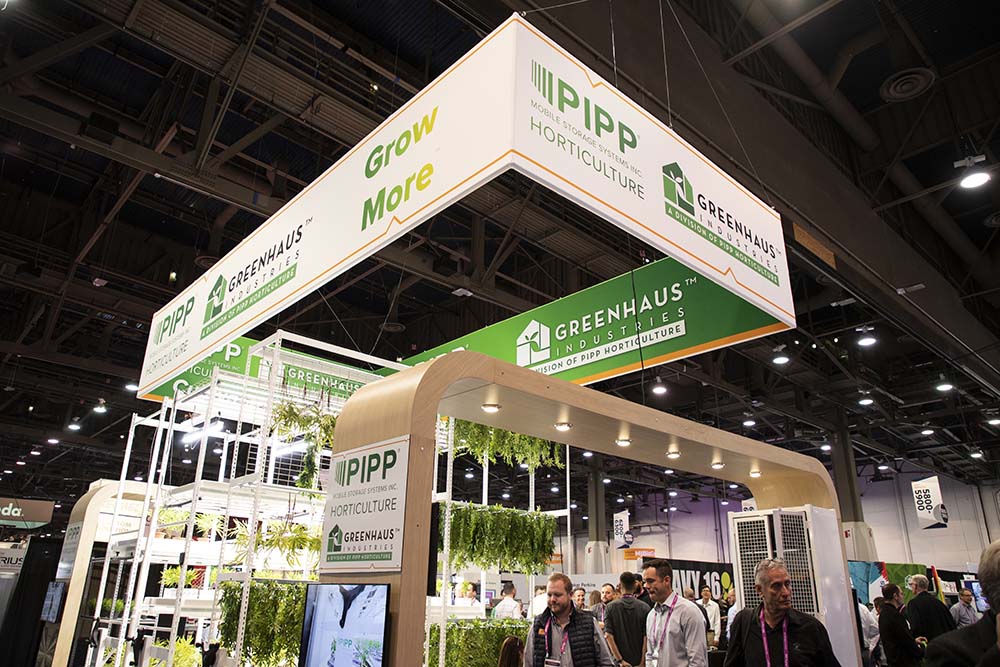
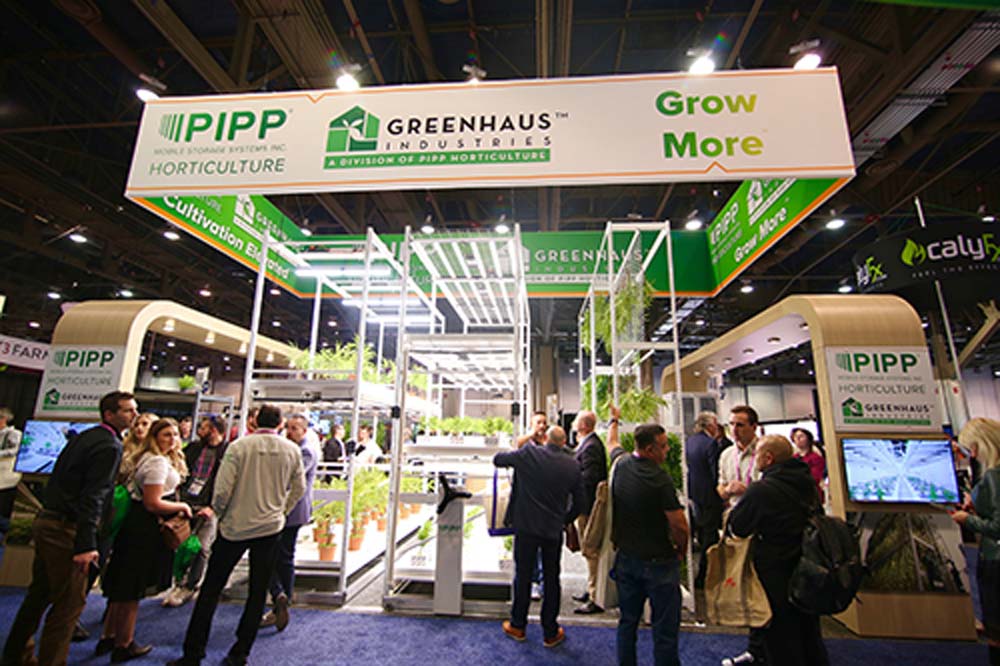
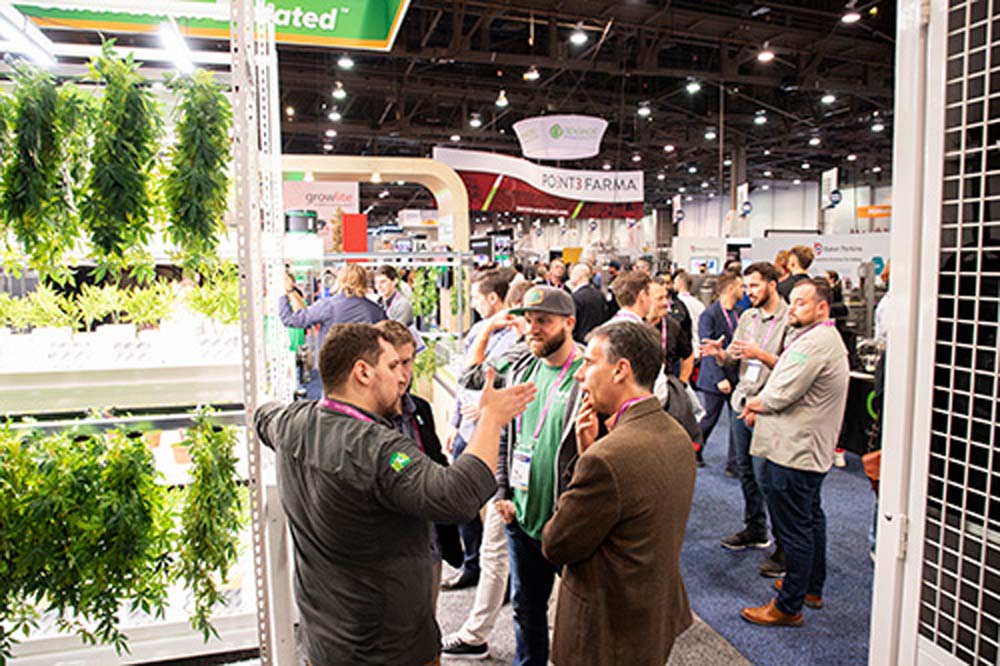
As it’s been for the past three years, interest, traffic, and excitement surrounding Pipp Horticulture were exploding. Of course, all this lead to another successful year at Marijuana Business Daily’s MJBizCon 2019. Constant traffic during all three days of the event and all 17 Pipp Horticulture team members engaged in deep discussions with existing and future clients including growers, owners, investors, and operators from all over the world. This includes all corners of the United States, Canada, Israel, Australia, Europe, and Asia!


PIPP MJBizCon 2019
PIPP MJBizCon 2019

The team was showcasing some new features to our existing mobile vertical cultivation systems as well as completely new items for the drying and processing side of the business. At Pipp we aim to always lead the way for indoor cultivation facility equipment innovation, development, and advancement.


Pipp Horticulture remains dedicated to true partnerships and value-adding solutions. Our show floor booth representation team included key members from critical groups like our Cultivation Consulting team and the Engineering team. Director of Cultivation, Michael Williamson, stepped into detailed discussions surrounding optimal facility design for healthy plant growth and production. Our Engineering team helped clients solve unique challenges their facilities face, helped them consider custom solutions, and fully explained how our track/rail-based mobile carriage system can be implemented for success.


PIPP MJBizCon 2019
PIPP MJBizCon 2019

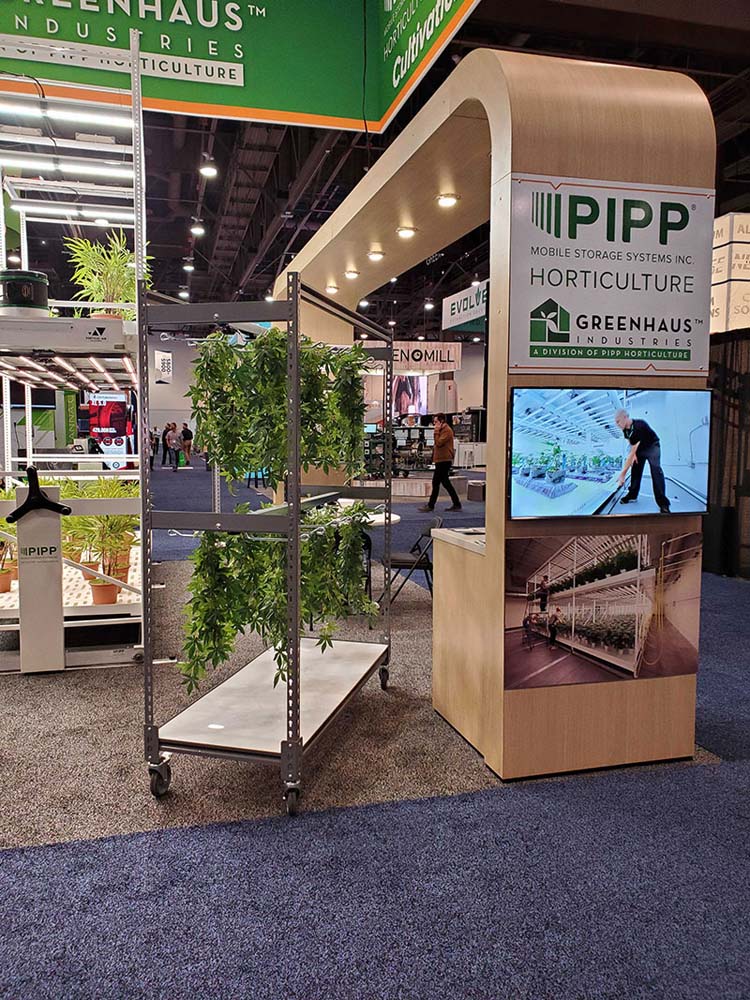
Following last year’s support at MJBizCon, we decided to host a giveaway for our newly redesigned horticulture drying cart! Our new drying cart sparked so much interest with over 500 entries, we decided to give away 2 carts! The Pipp Horticulture drying cart is designed to accommodate hanging plants in order to dry them out for further processing. It has adjustable cantilever-style finger attachments which allow you to configure the cart as needed. The drying cart is an essential part of the cultivation process that can provide an increase in production and help streamline your workflow. See our Instagram @pipphorticulture for more details!


[ngg src=”galleries” ids=”1″ display=”basic_thumbnail” thumbnail_crop=”0″]

Check out our mobile vertical grow racks we had on display at MJBizCon 2019 below!

Vertical Grow Racks & Cannabis Racking Systems

Get a FREE Grow Consultation